
Introduction
Krill oil supports memory through a unique delivery mechanism that distinguishes it from conventional omega 3 fatty acids supplements. Derived from small crustaceans called antarctic krill, this marine oil contains docosahexaenoic acid (DHA) and eicosapentaenoic acid (EPA) bound to phospholipids rather than triglycerides, enabling superior brain uptake and cognitive function enhancement. Krill oil is also rich in long-chain omega-3 fatty acids, antioxidants, and choline, which are important for healthy brain development and function.

This article covers the clinical research behind krill oil for memory, explaining how its phospholipid structure crosses the blood brain barrier more effectively than fish oil, the specific mechanisms supporting brain health, evidence from animal models and human studies, and practical guidance for supplementation. The content is designed for adults experiencing early stages of cognitive decline, those concerned about memory loss, or anyone seeking evidence-based dietary supplements for long-term cognitive health.
Direct answer: Krill oil supplements enhance memory by delivering omega 3 fatty acids directly to brain tissue in a form neurons can readily use, while simultaneously reducing neuroinflammation and supporting synaptic plasticity, the brain's ability to form and strengthen neural connections essential for learning and recall. Krill oil is recognized for improving cognitive function and supporting brain development.
By reading this article, you will gain:
- Understanding of why krill oil's phospholipid structure matters for memory
- Complete overview of clinical research and findings from animal and human studies
- Key research findings, as study shows the benefits of krill oil and omega-3s for memory and brain health
- Clear comparison between krill oil and fish oil for brain function
- Evidence-based dosage guidelines for memory support
- Criteria for selecting high-quality antarctic krill oil supplements
Understanding Krill Oil and Memory Function
Krill oil is a marine-derived oil extracted from Euphausia superba, tiny crustaceans inhabiting Antarctic waters. Unlike standard fish oil, krill oil contains its omega 3 fatty acids - specifically eicosapentaenoic acid EPA and docosahexaenoic acid DHA, bound to phospholipids such as phosphatidylcholine. This oil also provides astaxanthin, a potent antioxidant that gives krill their red color, and choline, an essential nutrient for neurotransmitter synthesis. Choline is also crucial for muscle control, as it is a precursor to acetylcholine, the neurotransmitter responsible for both memory and muscle function.
Krill oil is considered a 'food funct', a functional food with neuroprotective, antioxidant, and anti-inflammatory properties that support cognitive health and may help prevent neurodegenerative diseases.
The connection between krill oil and memory centers on the brain's fundamental requirements. Your brain is approximately 60% fat, with DHA comprising a significant portion of neuronal membranes. Adequate omega 3 intake is necessary for maintaining membrane fluidity, supporting neurotransmitter signaling, and preserving the structural integrity required for optimal memory function.
Essential Components for Memory Support
The phospholipid-bound EPA and DHA in krill oil represent a fundamentally different molecular structure than the triglyceride form found in most fish oil supplements. While triglyceride-bound fatty acids must undergo conversion before crossing cell membranes, phospholipid-bound omega 3s integrate directly into cellular structures.
This structural difference has direct implications for memory support. The blood brain barrier, a selective membrane protecting neural tissue, preferentially transports phospholipids. Research indicates that phospholipid-bound DHA enters brain tissue more efficiently, potentially explaining why krill oil supplementation may produce cognitive benefits at lower doses than other forms of marine omega 3s.
The Memory-Brain Health Connection
Chronic neuroinflammation plays a central role in age-related cognitive decline and neurodegenerative disease. As the brain ages, inflammatory markers like TNF-α, IL-6, and IL-1β accumulate, damaging neurons and impairing the formation of new memories. This process, termed "inflammaging," contributes to both normal cognitive aging and pathological conditions like Alzheimer's disease and Parkinson's disease, which are characterized by gradual cognitive decline and memory loss.
Krill oil and other dietary strategies are being explored to treat or alleviate symptoms of neurodegenerative diseases such as Alzheimer's, aiming to slow progression or improve cognitive function. The neuroprotective effects of krill oil address this inflammatory cascade while simultaneously supporting the structural components neurons require for healthy function. Understanding this dual mechanism provides the foundation for examining the specific research evidence demonstrating krill oil's memory benefits.
Support Your Memory with Phospholipid-Bound Omega-3s
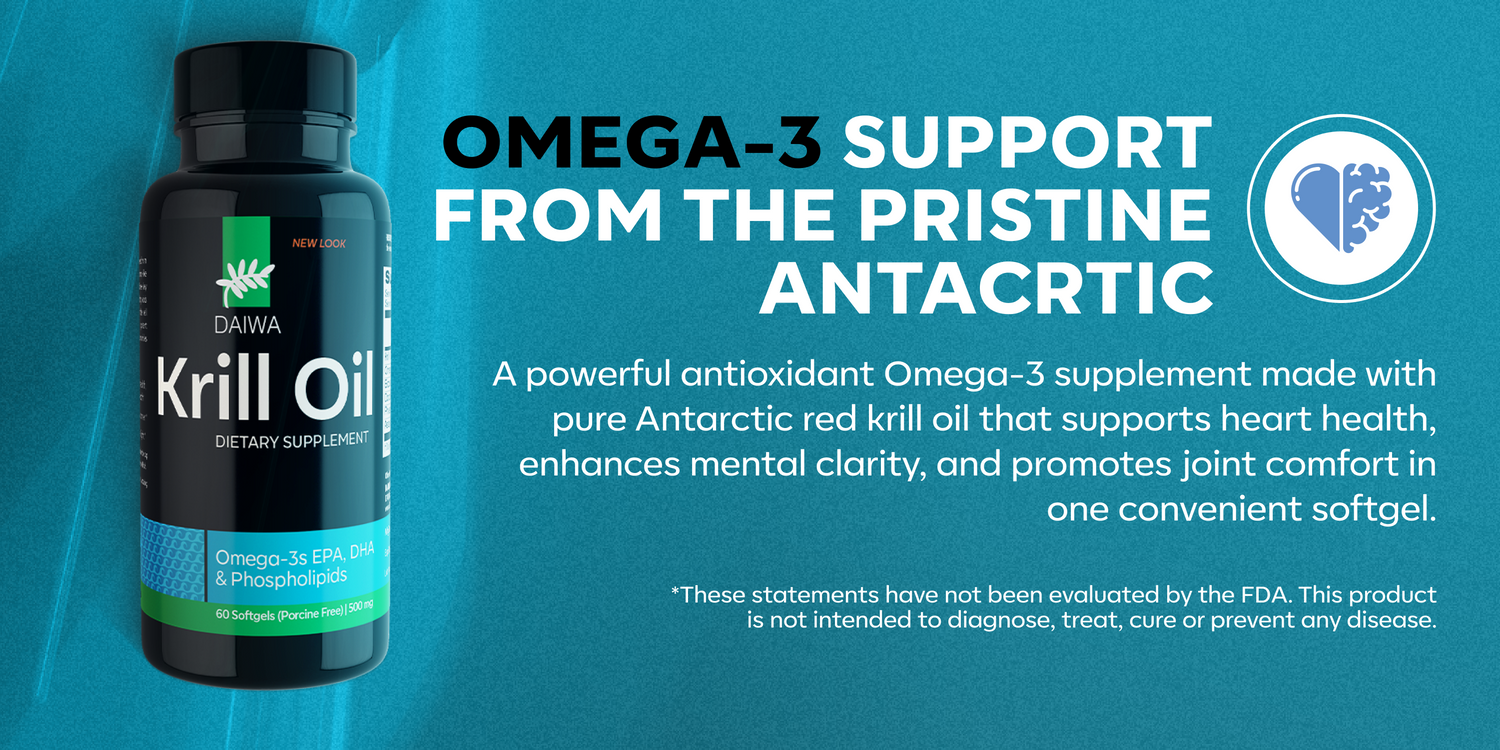
Daiwa Krill Oil delivers DHA & EPA in the form your brain can actually absorb.
Shop Daiwa Krill Oil,Upgrade Your Omega-3 Absorption
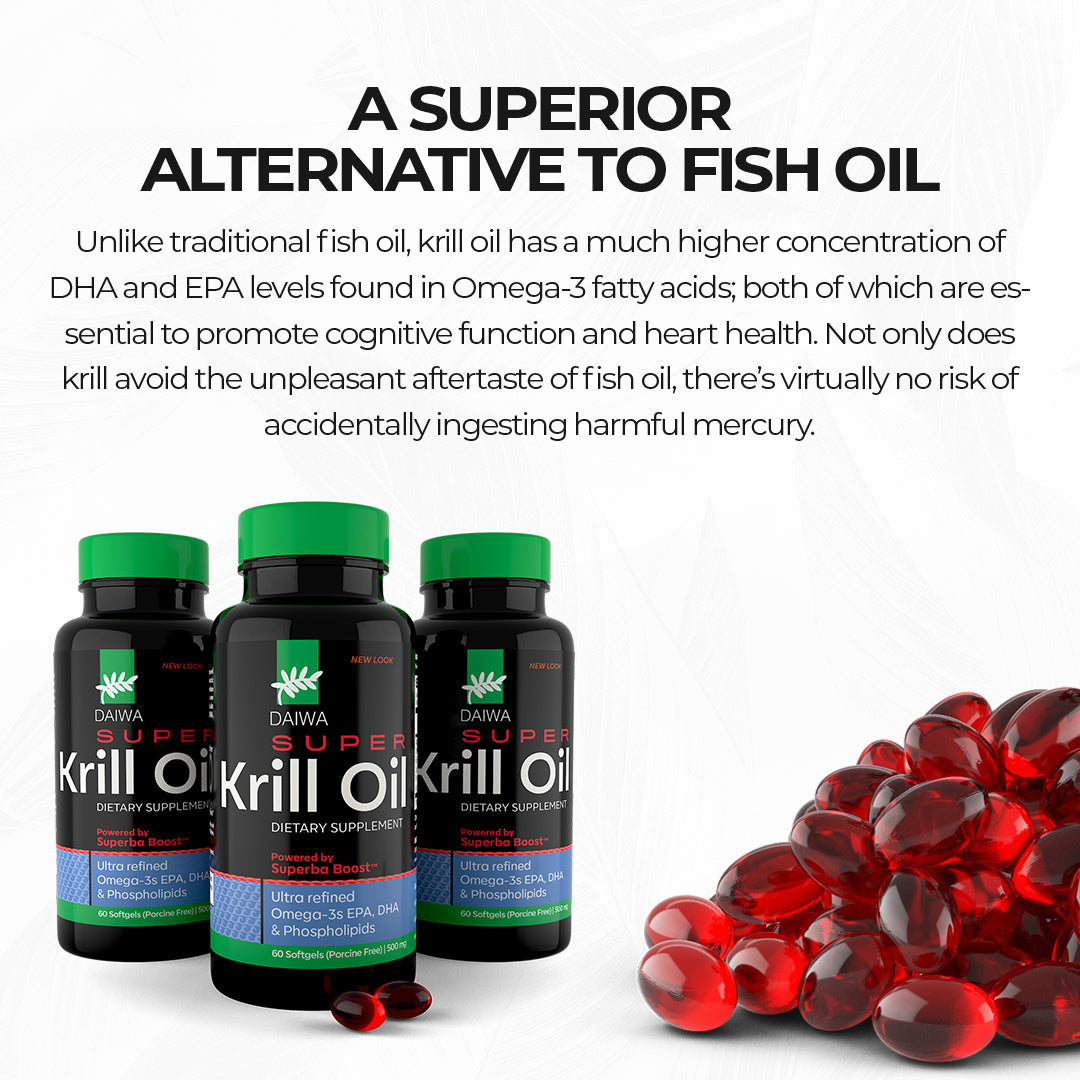
Standard fish oil wastes up to 68% of its EPA and DHA because the fats aren't bound to phospholipids. Daiwa Krill Oil delivers omega-3s in phospholipid form, the same structure your cell membranes use, plus natural astaxanthin for antioxidant protection.
Learn MoreThe Benefits of Antarctic Krill Oil
Antarctic krill oil stands out as a powerful ally for cognitive function and brain health, offering a range of clinically proven benefits that set it apart from other omega 3 fatty acid supplements. Sourced from antarctic krill, this oil is naturally rich in eicosapentaenoic acid (EPA) and docosahexaenoic acid (DHA), two essential nutrients that play a critical role in supporting memory, learning, and overall brain function.
Krill oil supplements have been shown in clinical research to improve cognitive performance, particularly in areas such as spatial memory and working memory. These improvements are especially relevant for adults concerned about cognitive impairment or seeking to maintain sharp mental function as they age. The neuroprotective effects of krill oil, attributed to its unique combination of EPA and DHA, may help reduce the risk of neurodegenerative diseases like Alzheimer's disease, making krill oil supplementation a valuable strategy for long-term cognitive health.
One of the most significant differences between krill oil and traditional fish oil is its superior bioavailability. Unlike fish oil or other forms of omega 3 supplements such as sardine oil and ethyl esters, krill oil's omega 3 fatty acids are more efficiently absorbed and utilized by the body. This means that krill oil can deliver greater health benefits for brain health and cognitive function at lower doses, making it a more effective dietary supplement for those looking to improve memory and information processing.
Beyond its impact on cognitive health, antarctic krill oil offers additional potential benefits for overall health. Regular krill oil supplementation has been linked to improved cardiovascular health, reduced inflammation, and better blood lipid profiles. Its anti-inflammatory properties not only support brain health but also contribute to joint comfort and may help slow age-related decline in other body systems. Some studies even suggest that krill oil's antioxidant content may provide anti-aging effects, supporting skin health and reducing the risk of chronic conditions such as osteoarthritis and diabetes.
In summary, antarctic krill oil is a highly effective supplement for anyone seeking to support cognitive function, protect against memory loss, and promote overall well-being. With its unique blend of EPA and DHA, superior absorption, and broad spectrum of health benefits, krill oil is an excellent choice for those looking to optimize brain health and maintain cognitive performance throughout life.
Research Evidence: Krill Oil's Memory Benefits
Building on the mechanistic understanding of how omega 3 fatty acids support brain function, clinical research has investigated krill oil's specific effects on memory and cognition across multiple study designs. One study shows that krill oil supplementation led to a small but significant increase in mean Omega-3 Index (O3I) in adolescents; however, there was no significant effect on neurocognitive tests, with only slightly higher scores observed in the krill oil group compared to placebo.
Clinical Studies in Elderly Adults
A 12-week human study comparing krill oil to sardine oil found significant differences in cognitive performance measures. Participants receiving krill oil demonstrated greater prefrontal cortex activation during working memory tasks, evidenced by increased oxyhemoglobin changes measured through neuroimaging. Additionally, the krill oil group showed reduced P300 latency in event-related potential tests, a biomarker indicating faster information processing speed. Clinical trials indicate krill oil can improve the speed of information processing in elderly adults, thereby improving cognitive function.
These findings suggest that krill oil supplementation enhances the brain's efficiency during memory-demanding tasks, with measurable improvements in the prefrontal regions responsible for working memory, attention, and executive function.
Animal Model Research Findings
Preclinical research using animal models has provided substantial evidence for krill oil's memory-enhancing properties. In senescence-accelerated prone 8 (SAMP8) mice, a validated model for alzheimer's disease, antarctic krill oil administration significantly improved spatial memory performance in Morris water maze tests. Treated animals showed increased platform crossings and longer time spent in target quadrants, indicating enhanced memory retention.
Studies in C. Elegans models of neurodegeneration revealed that krill oil counteracted mitochondrial dysfunction and reduced cellular markers of aging. In Parkinson's disease models with α-synuclein aggregates, krill oil enhanced dopaminergic neuron survival and restored dopamine-dependent behaviors, with treated animals achieving activity scores of 400/hour compared to 340/hour in untreated controls. Animal studies have also shown that krill oil may protect neurons from injury in models of Alzheimer's disease and diabetes.
Additionally, lipopolysaccharide induced oxidative stress is recognized as a major contributor to neuroinflammation and neurodegeneration in animal models. Krill oil has been shown to counteract these effects, further supporting its neuroprotective potential. These findings demonstrate potential benefits across multiple neurological disorders.
Mechanisms of Action Studies
A 2023 study examining early cognitive impairment found that krill oil at 50-100 mg/kg body weight dramatically promoted learning and memory through multiple pathways. The current study demonstrated reduced amyloid-beta concentrations via downregulation of APP, PS1, and BACE1 while upregulating protective enzymes. Simultaneously, krill oil inhibited neuroinflammation through TLR4-NLRP3 signaling, lowering circulating levels of pro-inflammatory cytokines.
The research also revealed that krill oil protected synaptic plasticity by preserving synaptic proteins PSD95 and SYN, which are essential for memory formation and consolidation. Enhanced BDNF mRNA expression in hippocampal tissue provided additional evidence for krill oil's role in supporting the molecular machinery underlying memory. In line with the findings of wang y, these effects may involve modulation of key signaling pathways such as MAPK, BDNF, and p-Akt, which are implicated in cognitive function and neuroinflammation, particularly in Alzheimer's disease models.
Notably, the study found that krill oil modulated gut microbiota composition - decreasing Helicobacteraceae while increasing Akkermansia, and elevated short-chain fatty acid production, suggesting gut-brain axis involvement in cognitive improvements.
These converging lines of evidence from human trials, rodent models, and invertebrate systems demonstrate consistent memory-enhancing effects, setting the stage for understanding precisely how krill oil achieves superior brain delivery.
🧠 Clinically Researched ⚡ Superior Absorption 🛡️ Neuroprotective
Experience the cognitive benefits backed by science. Phospholipid-bound omega-3s for your brain.
For more details, see Synergizing Natto with Krill Oil for Cholesterol. For more details, see How do krill oil supplements compare to regular omega. For more details, see Krill Oil vs Fish Oil Paleo. For more details, see Krill Oil vs Fish Oil for Heart and Brain Health. For more details, see heart & circulation supplements. For more details, see brain health supplements. For more details, see Krill Oil's Emerging Role in Cognitive Function. For more details, see Krill Oil Research Studies. For more details, see Inflammation Support Bundle. Try Daiwa Krill Oil for Memory SupportHow Krill Oil Supports Memory: Mechanisms and Bioavailability
The research evidence points to a central question: why does krill oil appear to outperform other forms of omega 3 supplements for memory? The answer lies in its unique bioavailability profile and ability to deliver fatty acids directly to neural tissue.
Superior Blood-Brain Barrier Penetration
The blood brain barrier presents a significant obstacle for most circulating nutrients attempting to reach brain tissue. This selective membrane protects neurons but also limits the delivery of therapeutic compounds, including omega 3 fatty acids in triglyceride form.
Krill oil's phospholipid structure provides an important advantage for brain health. Phosphatidylcholine, the primary phospholipid carrier in krill oil, is a natural component of cell membranes and crosses the BBB through established transport mechanisms. Once absorbed intestinally, phospholipid-bound DHA and EPA can form lysophospholipids, which demonstrate enhanced BBB permeability and preferential uptake into neural tissue.
Research suggests this structural advantage may enable significantly greater brain omega 3 delivery compared to triglyceride-bound fatty acids from conventional fish oil. The enhanced BBB permeability translates to more omega 3s reaching neurons where they're needed for membrane integrity, synaptic plasticity, and anti-inflammatory activity.
Comparison: Krill Oil vs. Fish Oil for Memory
Understanding the practical differences between these marine oil sources helps inform supplementation decisions for cognitive function support:
|
Factor |
Krill Oil |
Fish Oil |
|---|---|---|
|
Brain Bioavailability |
High (phospholipid-bound) |
Lower (triglyceride-bound) |
|
Memory Study Results |
Positive across multiple trials |
Mixed results in comparable studies |
|
Inflammation Reduction |
Significant reduction in markers |
Moderate effects at higher doses |
|
Effective Dosage |
Lower doses show benefits |
Higher doses typically required |
|
Additional Compounds |
Astaxanthin, choline |
Variable depending on source |
|
Fishy Aftertaste |
Minimal (phospholipid coating) |
Common complaint |
Both krill oil and fish oil provide the omega 3 fatty acids necessary for brain function, but the delivery mechanism appears to influence cognitive outcomes. The phospholipid form in krill oil may explain why some research shows cognitive benefits at lower omega 3 doses than those required with fish oil supplementation.
For individuals specifically targeting memory and cognitive health rather than cardiovascular health alone, these structural differences represent an important consideration when selecting between marine oil supplements.
Optimal Dosage and Usage for Memory Support
Translating research findings into practical supplementation requires understanding the dosage ranges that produce cognitive benefits while considering individual factors that influence response. Factors such as age, genetics, and body mass index can affect absorption and response to krill oil.
It is also important to note that the increase in Omega-3 Index (O3I) from krill oil supplementation was small in most participants, likely due to non-compliance.
Evidence-Based Dosage Guidelines
Dosage recommendations vary based on cognitive health goals and individual health status:
- General memory support: 500-1000mg krill oil daily, providing approximately 200-400mg combined EPA and DHA. This range supports baseline brain health and may help maintain cognitive function in healthy adults.
- Cognitive decline prevention: 1000-1500mg daily with consistent daily timing. Research in older adults suggests this range may address early stages of age-related memory changes.
- Enhanced memory function: 1500-2000mg daily, typically under healthcare provider guidance. Higher doses may be appropriate for individuals with existing cognitive impairment or elevated risk factors.
- Timing optimization: Take krill oil supplements with meals containing dietary fat to maximize absorption. Morning dosing with breakfast provides consistent blood levels throughout the day when cognitive demands are typically highest.
Quality Selection Criteria
Not all krill oil supplements deliver equivalent benefits. Key quality indicators include:
Antarctic source verification: Genuine antarctic krill oil comes from the pristine waters surrounding Antarctica. Look for products specifying Euphausia superba as the source species, with sustainability certifications from organizations like the Marine Stewardship Council.
Phospholipid content: The phospholipid percentage determines bioavailability. Quality products contain minimum 40% phospholipids, with premium options reaching 50-60%. Products listing only total omega 3 content without phospholipid specification may contain ethyl esters or triglycerides rather than the phospholipid form.
Third-party testing: Independent laboratory verification ensures products meet label claims for omega 3 content while confirming absence of heavy metals, oxidation products, and contaminants common in marine oils.
Astaxanthin content: This naturally-occurring antioxidant provides additional neuroprotective effects and indicates minimal processing. Look for products listing natural astaxanthin content rather than added synthetic forms.
Premium Antarctic Source
Daiwa Krill Oil Meets Every Quality Criterion
✓ High phospholipid content ✓ Natural astaxanthin ✓ Third-party tested
See Product Details,Common Challenges and Solutions
Practical obstacles sometimes prevent optimal results from krill oil supplementation for memory support.
Not Seeing Memory Improvements
Cognitive changes from dietary supplements develop gradually, unlike pharmaceutical interventions. Ensure you're taking adequate dosage, minimum 200mg combined EPA and DHA daily, and allow 8-12 weeks before assessing effects. Memory improvements often begin with subtle changes in focus and recall before becoming clearly noticeable. Consider using memory assessment tools to track objective changes rather than relying solely on subjective impressions.
Digestive Issues or Fishy Aftertaste
While krill oil typically causes fewer fishy burps than fish oil due to its phospholipid coating, some individuals experience digestive discomfort. Taking capsules with meals, choosing enteric-coated formulations, or freezing capsules before consumption can minimize these issues. Starting with lower doses and gradually increasing allows digestive adaptation.
Medication Interactions
Omega 3 fatty acids have mild blood-thinning effects. If you take blood thinners, antiplatelet medications, or have bleeding disorders, consult your healthcare provider before beginning krill oil supplementation. Most patients can use krill oil safely, but dosage adjustments may be necessary, particularly before surgical procedures.
★★★★★ Trusted by thousands of customers
Ready to Switch From Fish Oil?
Daiwa Krill Oil is absorbed up to 68% more efficiently than standard fish oil, contains natural astaxanthin, and comes with zero fish burps. Over 12,000 customers have already made the upgrade.
Shop Daiwa Krill OilFree shipping on orders over $50 · 30-day guarantee
Conclusion and Next Steps
Krill oil's phospholipid-bound omega 3s cross the blood brain barrier more efficiently than conventional fish oil, delivering DHA and EPA directly to neurons where they support membrane integrity, reduce neuroinflammation, and enhance synaptic plasticity, the fundamental processes underlying memory formation and recall. Clinical research and animal studies, many of which have been conducted in food science departments with ethical approval from institutions such as Ocean University of China, consistently demonstrate improvements in spatial memory, working memory, and information processing with krill oil supplementation. Additionally, research expertise from leading institutions like the University of California San Francisco has contributed to our understanding of krill oil's neurological benefits and its potential role in neurodegenerative disease prevention. Addressing health dis (health disparities) is also crucial to ensure equitable access to cognitive health interventions like krill oil, so that all populations can benefit from advances in brain health.
Immediate action steps:
- Assess your current omega 3 status through blood levels testing or dietary analysis
- Select high-quality antarctic krill oil with verified phospholipid content above 40%
- Begin supplementation at 500-1000mg daily with a meal, adjusting after 8-12 weeks based on response
- Track cognitive performance using standardized memory assessments
For those interested in complete cognitive health optimization, related topics include combining krill oil with other clinically proven nootropics, lifestyle factors that amplify omega 3 benefits (exercise, sleep, stress management), and long-term strategies for maintaining brain function through aging.
Take the First Step for Your Brain Health
Support Your Memory with Daiwa Krill Oil
✓ Phospholipid-bound EPA & DHA for superior brain absorption
✓ Natural astaxanthin for neuroprotective antioxidant support
✓ Premium Antarctic source with sustainability certification
✓ No fishy aftertaste, easy on your digestive system
Shop Daiwa Krill Oil Now,Invest in your cognitive health today. Your brain will thank you.
Additional Resources
Omega-3 index testing: Blood tests measuring EPA and DHA levels provide objective baseline assessment and allow monitoring of supplementation response. Target range for cognitive benefits is 8-11%.
Sustainability certifications: The Marine Stewardship Council (MSC) and Commission for the Conservation of Antarctic Marine Living Resources (CCAMLR) certify sustainable krill harvesting practices that ensure long-term availability.
Memory assessment tools: Standardized cognitive tests like the Montreal Cognitive Assessment (MoCA) or computerized cognitive batteries can track objective changes in memory and processing speed over supplementation periods.





Leave a comment
All comments are moderated before being published.
This site is protected by hCaptcha and the hCaptcha Privacy Policy and Terms of Service apply.