
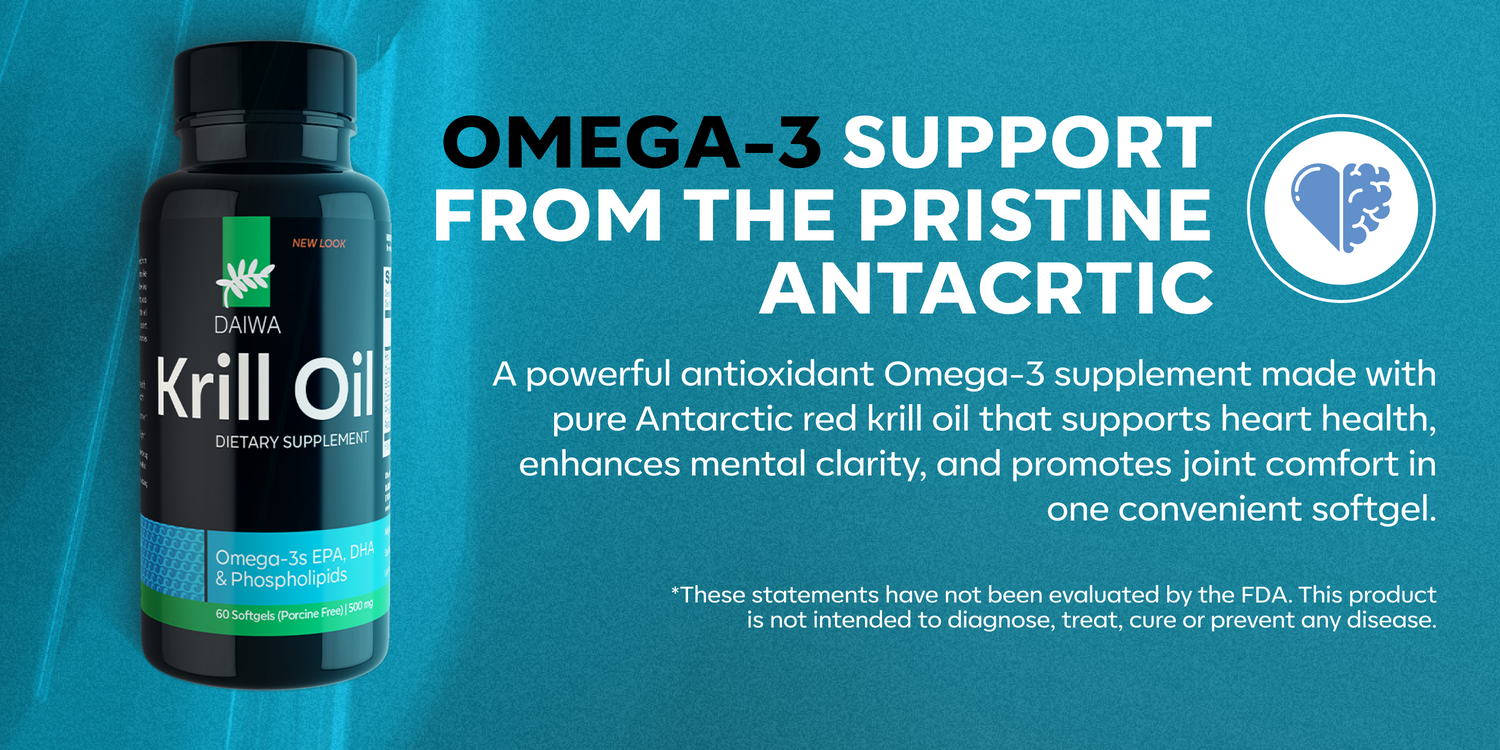
Krill oil has emerged as one of the most potent and bioavailable sources of omega-3 fatty acids available today. Derived from tiny, shrimp-like crustaceans that thrive in the pristine waters of Antarctica, this remarkable supplement offers a unique combination of nutrients that sets it apart from traditional fish oil supplements.
What is Krill Oil?
Krill oil is extracted from Antarctic krill (Euphausia superba), small marine crustaceans that form the foundation of the ocean's food chain. These tiny organisms are packed with essential nutrients, including omega-3 fatty acids EPA and DHA, phospholipids, and the powerful antioxidant astaxanthin.

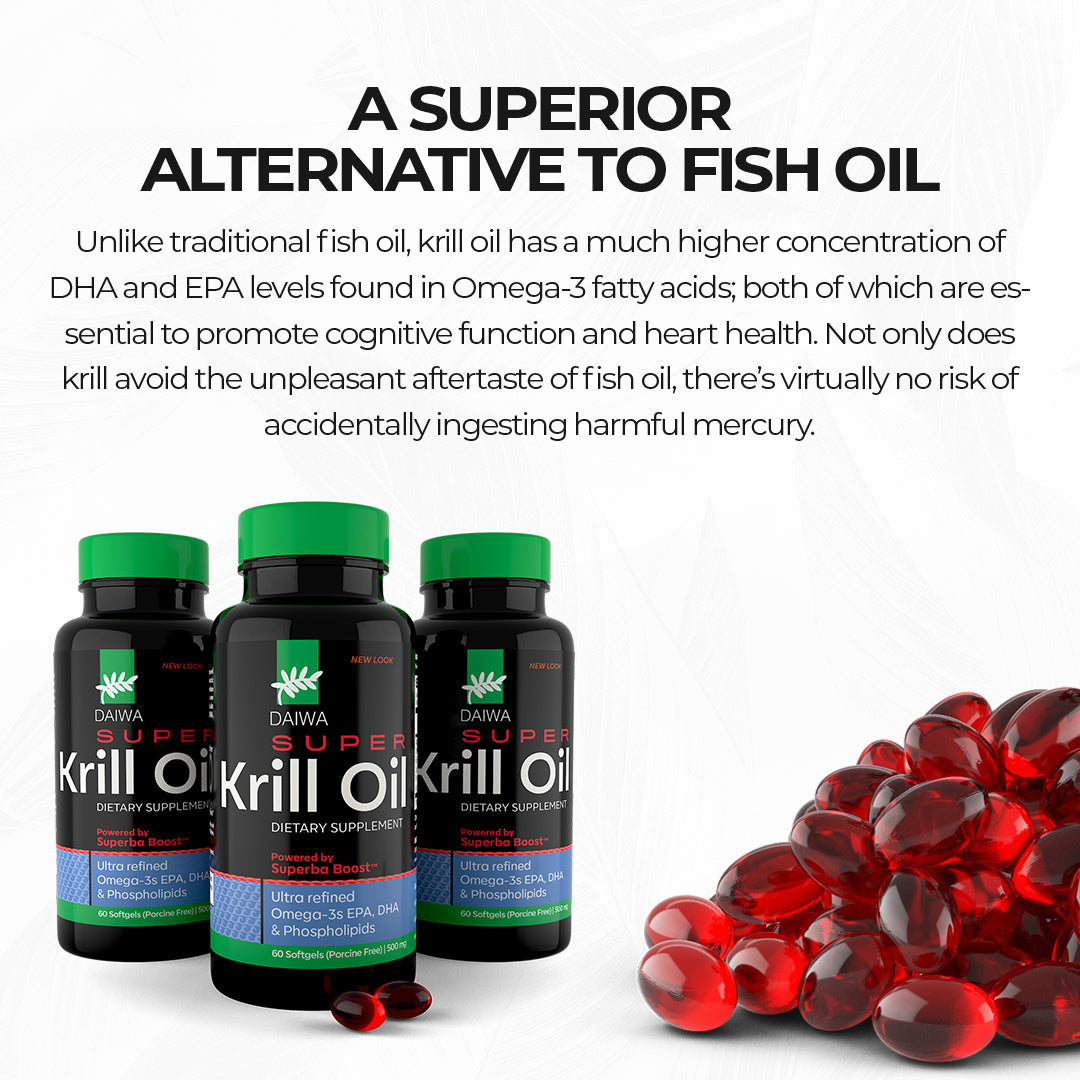
Unlike fish oil, krill oil contains omega-3s bound to phospholipids rather than triglycerides, which significantly enhances their absorption and bioavailability in the human body. This unique molecular structure allows for better cellular uptake and utilization of these essential fatty acids.
Upgrade Your Omega-3 Absorption
Standard fish oil wastes up to 68% of its EPA and DHA because the fats aren't bound to phospholipids. Daiwa Krill Oil delivers omega-3s in phospholipid form, the same structure your cell membranes use, plus natural astaxanthin for antioxidant protection.
Learn MoreComplete Krill Oil Health Benefits
1. Cardiovascular Health Support
The omega-3 fatty acids in krill oil provide exceptional support for heart health:
- Cholesterol Management: Studies show krill oil can help reduce LDL (bad) cholesterol while increasing HDL (good) cholesterol levels
- Blood Pressure Regulation: Regular consumption may help maintain healthy blood pressure levels
- Triglyceride Reduction: EPA and DHA work together to lower harmful triglyceride levels in the bloodstream
- Anti-inflammatory Effects: Reduces inflammation markers associated with cardiovascular disease
2. Brain Function and Cognitive Health
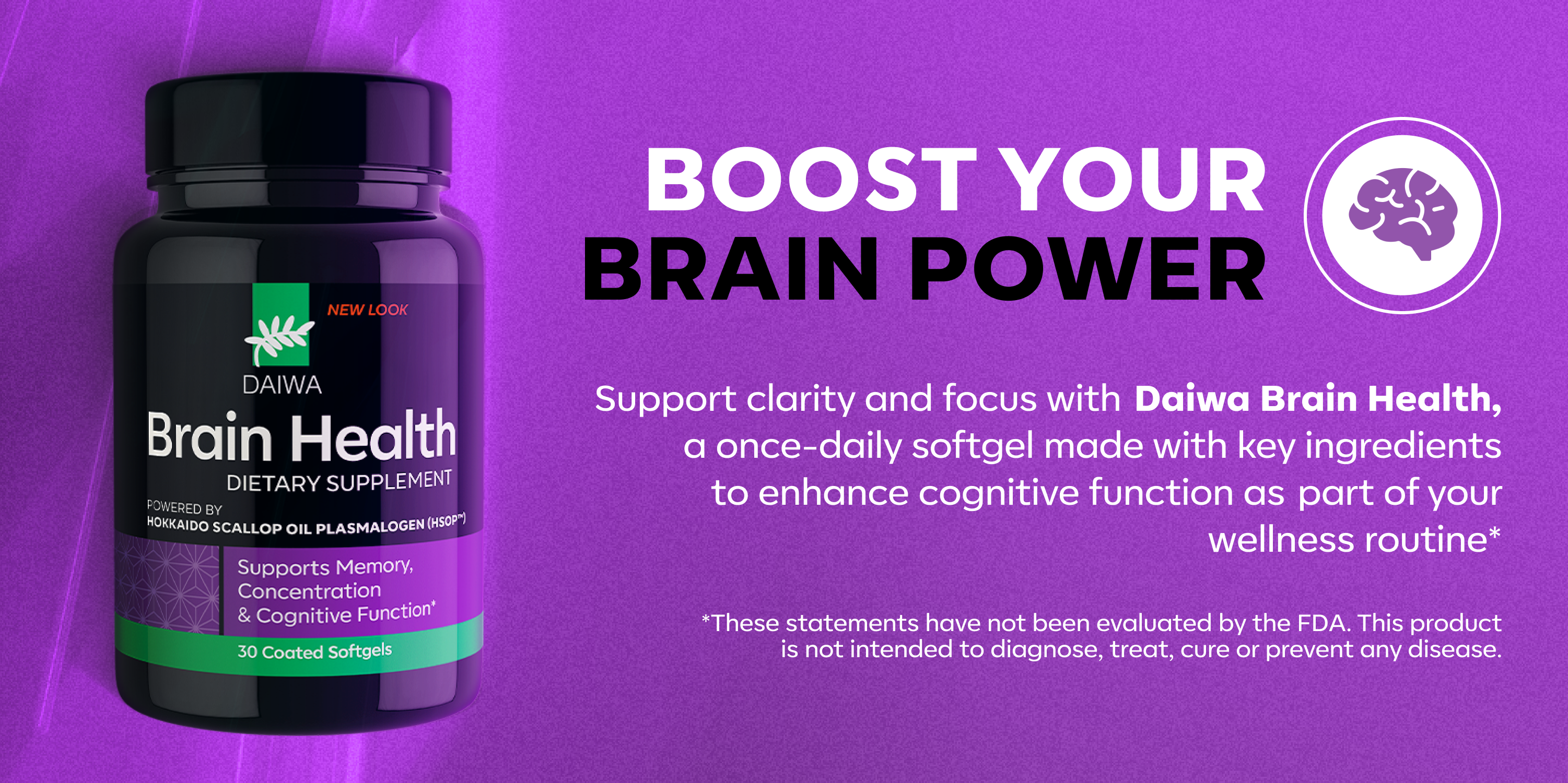
The phospholipid-bound omega-3s in krill oil cross the blood-brain barrier more effectively than traditional fish oil:
- Memory Enhancement: DHA supports memory formation and retention
- Cognitive Function: May help improve focus, concentration, and mental clarity
- Neuroprotection: Provides antioxidant protection against age-related cognitive decline
- Mood Support: EPA has been linked to improved mood and emotional well-being
3. Joint Health and Mobility
Krill oil health benefits extend significantly to joint and muscle health:
- Inflammation Reduction: Powerful anti-inflammatory properties help reduce joint pain and stiffness
- Improved Mobility: Regular use may enhance flexibility and range of motion
- Cartilage Protection: Omega-3s support healthy cartilage maintenance
- Exercise Recovery: May help reduce muscle soreness and improve recovery time
4. Women's Health Support
Krill oil offers specific benefits for women's health needs:
For more details, see Daiwa Krill Oil. For more details, see How do krill oil supplements compare to regular omega. For more details, see The Complete Guide to Cardiovascular Health and Cognitive Function. For more details, see brain health supplements. For more details, see Daiwa Brain Health®. For more details, see heart & circulation supplements. For more details, see Krill Oil Research Studies. For more details, see Krill Oil's Emerging Role in Cognitive Function. For more details, see Inflammation Support Bundle.- PMS Symptom Relief: Studies suggest krill oil may help reduce PMS-related discomfort
- Hormonal Balance: Supports healthy hormone production and regulation
- Bone Health: May contribute to maintaining bone density and strength
- Skin Health: Antioxidant properties support healthy, radiant skin
Superior Absorption and Bioavailability
One of the most significant advantages of krill oil over fish oil is its superior absorption rate. The phospholipid structure of krill oil omega-3s allows for:
- 3x Better Absorption: Phospholipid-bound omega-3s are absorbed more efficiently than triglyceride forms
- No Fishy Aftertaste: The unique structure eliminates the unpleasant burping associated with fish oil
- Smaller Serving Size: Higher bioavailability means you need less to achieve the same benefits
- Enhanced Stability: Natural astaxanthin prevents rancidity and oxidation
Antioxidant Power of Astaxanthin
Krill oil naturally contains astaxanthin, a powerful carotenoid antioxidant that provides additional health benefits:
- Cellular Protection: Shields cells from oxidative stress and free radical damage
- Anti-aging Properties: Supports healthy aging at the cellular level
- Eye Health: May help protect vision and support overall eye health
- Skin Protection: Provides natural protection against UV damage and premature aging
Environmental Sustainability
Choosing krill oil also supports environmental conservation:
- Sustainable Harvesting: Krill populations are carefully monitored and harvested using eco-friendly methods
- Marine Ecosystem Protection: Responsible sourcing helps preserve Antarctic marine environments
- Renewable Resource: Krill reproduce rapidly, making them a sustainable omega-3 source
- Third-Party Certification: Look for products certified by organizations like the Marine Stewardship Council (MSC)
How to Choose Quality Krill Oil
When selecting a krill oil supplement, consider these important factors:
Purity and Quality Standards
- Third-Party Testing: Choose products tested for heavy metals, PCBs, and other contaminants
- Extraction Method: Look for cold-pressed extraction to preserve nutrient integrity
- Certification: Seek products with quality certifications from reputable organizations
- Freshness: Check for recent manufacturing dates and proper storage conditions
Dosage and Concentration
- EPA/DHA Content: Look for products with clearly labeled omega-3 concentrations
- Phospholipid Percentage: Higher phospholipid content indicates better quality
- Astaxanthin Levels: Natural astaxanthin content should be clearly stated
- Serving Size: Consider the number of capsules needed for effective dosing
Recommended Dosage and Usage
The optimal dosage of krill oil varies based on individual needs and health goals:
- General Health: 500-1000mg daily
- Cardiovascular Support: 1000-2000mg daily
- Joint Health: 1000-1500mg daily
- Cognitive Support: 1000mg daily
Always consult with a healthcare provider before starting any new supplement regimen, especially if you have existing health conditions or take medications.
Potential Side Effects and Considerations
While krill oil is generally well-tolerated, some individuals may experience:
- Mild Digestive Upset: Usually temporary and can be minimized by taking with food
- Allergic Reactions: Those with shellfish allergies should exercise caution
- Blood Thinning: May enhance the effects of anticoagulant medications
- Interaction with Medications: Consult healthcare providers about potential interactions
The Future of Krill Oil Research
Ongoing research continues to uncover new potential applications for krill oil:
- Metabolic Health: Studies investigating effects on diabetes and metabolic syndrome
- Athletic Performance: Research on exercise performance and recovery enhancement
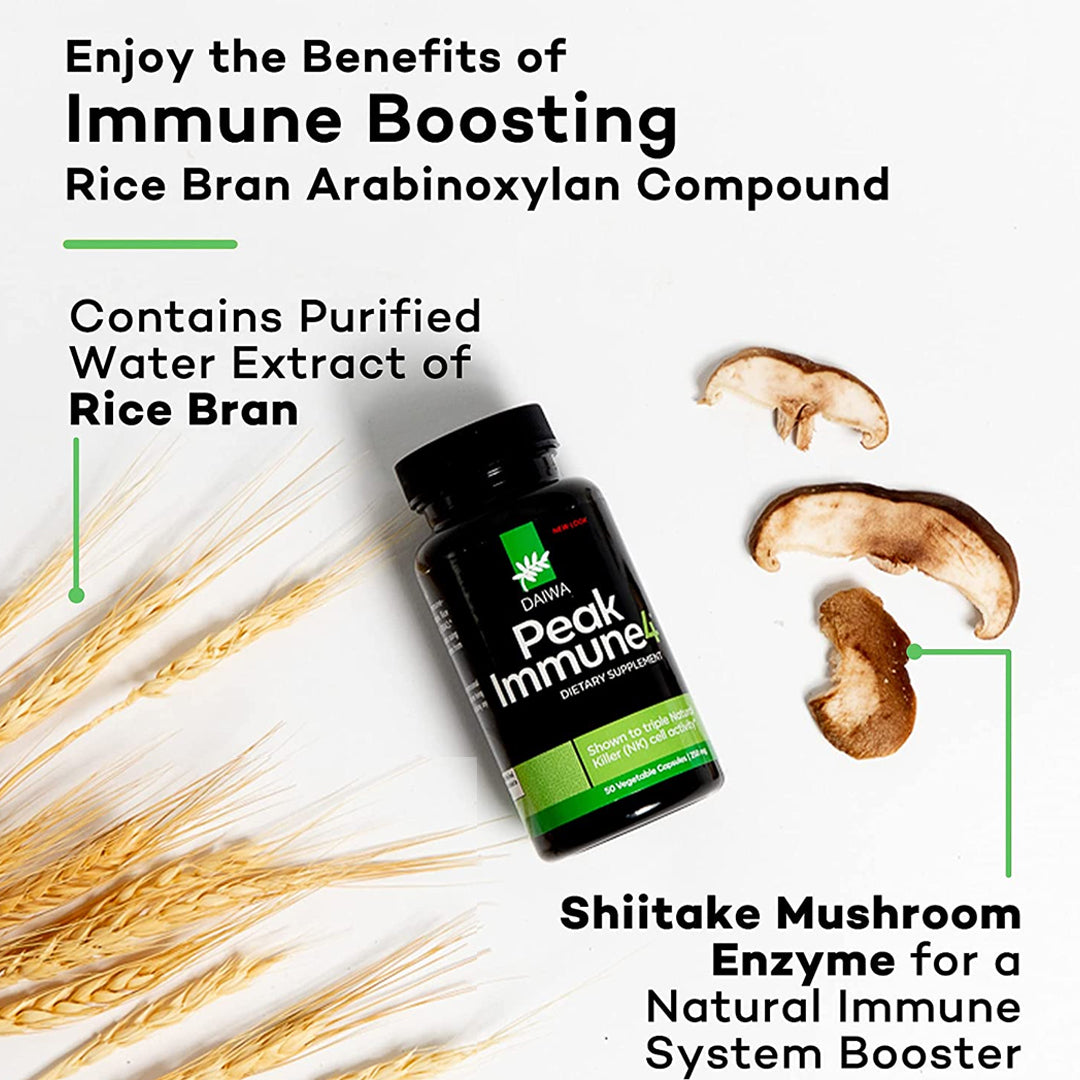
- Immune Function: Exploration of immune system support properties
- Longevity: Investigation into anti-aging and lifespan extension benefits
★★★★★ Trusted by thousands of customers
Ready to Switch From Fish Oil?
Daiwa Krill Oil is absorbed up to 68% more efficiently than standard fish oil, contains natural astaxanthin, and comes with zero fish burps. Over 12,000 customers have already made the upgrade.
Shop Daiwa Krill OilFree shipping on orders over $50 · 30-day guarantee
Conclusion
The extensive krill oil health benefits make it a valuable addition to any wellness routine. From cardiovascular support to cognitive enhancement, joint health to women's wellness, krill oil offers a complete approach to optimal health. Its superior bioavailability, natural antioxidant content, and sustainable sourcing make it an excellent choice for those seeking the highest quality omega-3 supplementation.
When choosing krill oil, prioritize quality, purity, and sustainability to ensure you receive the maximum benefits from this remarkable marine superfood. As research continues to unveil new applications, krill oil stands poised to remain at the forefront of nutritional supplementation for years to come.




Leave a comment
All comments are moderated before being published.
This site is protected by hCaptcha and the hCaptcha Privacy Policy and Terms of Service apply.