
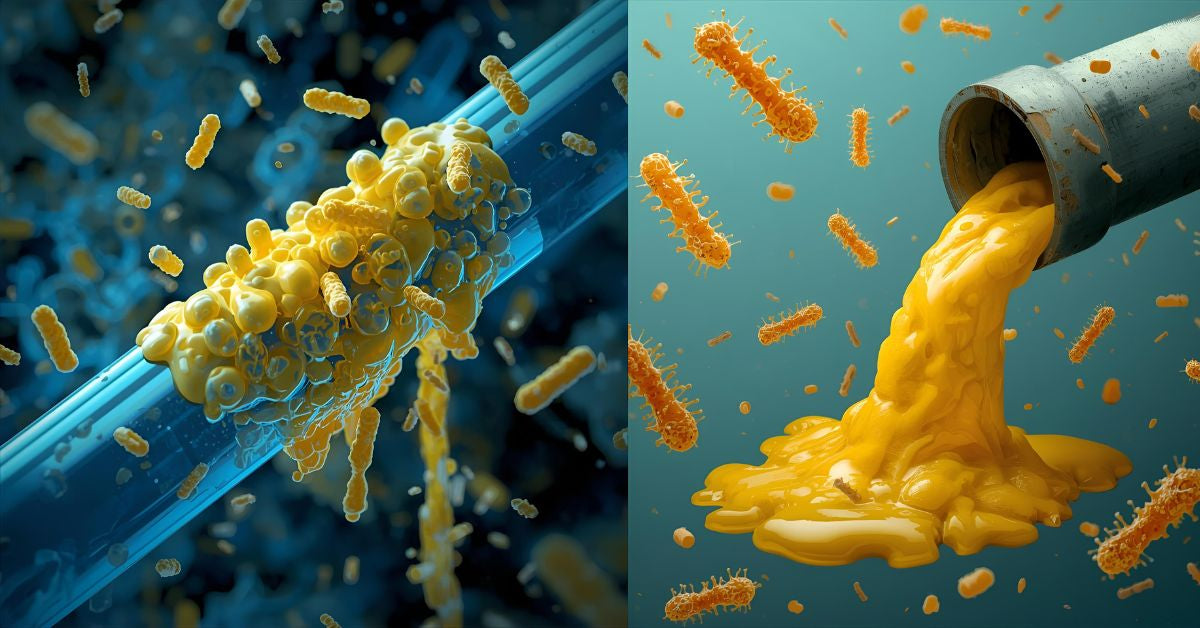
At Daiwa Health Development, we've long championed innovative approaches to cardiovascular health through time-tested natural compounds. One such powerhouse is nattokinase, derived from the traditional Japanese food natto, which has shown remarkable promise in supporting heart function and lipid balance. When paired with krill oil's potent omega-3s, this combination emerges as a strategic ally against rising cholesterol levels, offering a multifaceted defense for those navigating modern dietary challenges.
What Makes Nattokinase a Key Player in Heart Wellness?
Nattokinase stands out as a fibrinolytic enzyme extracted from natto, the fermented soybeans revered in Japanese cuisine for generations. This enzyme works by breaking down fibrin, the protein mesh that forms blood clots, thereby promoting smoother circulation. In the realm of cardiovascular diseases, where stagnant blood flow often sets the stage for complications, nattokinase's ability to dissolve blood clots positions it as a natural supporter of vascular integrity.

Research highlights the effect of nattokinase on red blood cell aggregation, a factor that can thicken blood and strain the heart. By reducing this clumping, nattokinase improves blood flow, easing the workload on arteries and veins. Patients with concerns about blood clots, whether from sedentary lifestyles or genetic predispositions, often find this mechanism reassuring. It goes beyond about immediate relief; consistent use fosters long-term resilience against heart disease.
Consider the broader implications for daily life. Better blood flow means more oxygen delivery to tissues, which can subtly enhance energy levels and mental clarity. From a functional medicine perspective, this ties into brain health, where optimized circulation may help mitigate fog or fatigue linked to poor vascular tone.
The Effect of Nattokinase on Blood Pressure Dynamics
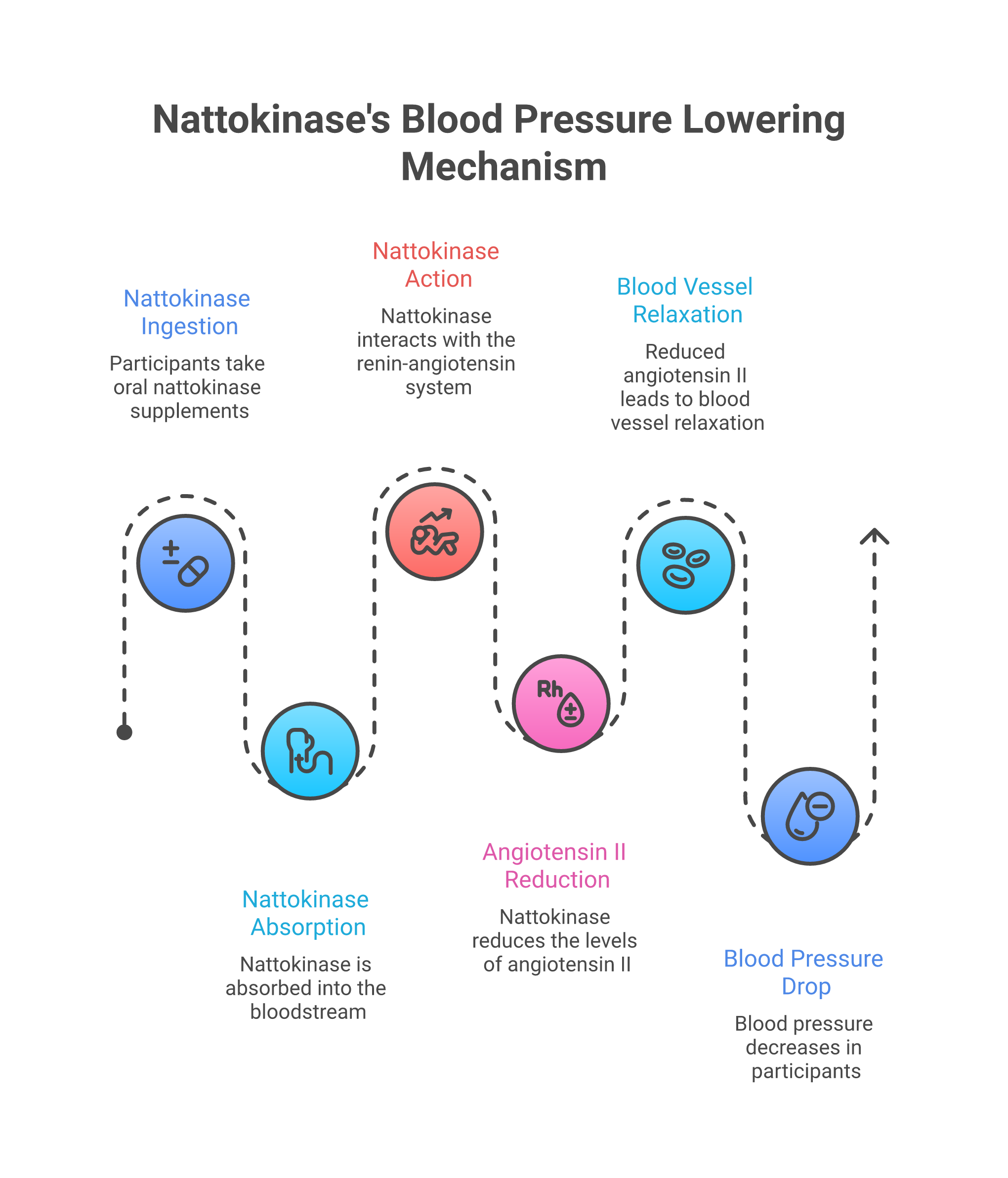
High blood pressure remains a silent driver of cardiovascular diseases, silently eroding vessel walls over time. Here, nattokinase benefits shine through its influence on both systolic and diastolic blood pressure. Clinical studies, including a randomized controlled trial involving human subjects, demonstrate that oral nattokinase supplementation can lower blood pressure effectively. Participants taking 2,000 FU daily for eight weeks saw notable drops in systolic readings, averaging 5.5 mmHg, alongside reductions in diastolic blood pressure.
This isn't mere coincidence. Nattokinase acts as an oral antithrombotic agent, mimicking tissue plasminogen activator to enhance fibrinolysis. In spontaneously hypertensive rats, continuous oral administration reduced blood pressure by modulating renin activity and vessel relaxation. Translating this to humans, a double-blinded placebo-controlled trial confirmed similar outcomes, with significant differences in blood pressure among treated groups versus controls.
For those grappling with high blood pressure, integrating nattokinase offers a promising alternative to pharmaceuticals, especially when combined with lifestyle tweaks. It supports integrated blood pressure control without the drowsiness some medications induce, allowing for a more active routine.
Nattokinase's Role in Lipid Metabolism and Cholesterol Balance
blood lipids, nattokinase for cholesterol management reveals intriguing layers. Total cholesterol, low density lipoprotein cholesterol, and triglycerides often team up to fuel plaque buildup, but nattokinase disrupts this cycle. A blinded placebo-controlled trial on individuals with primary hypercholesterolemia showed that nattokinase supplementation lowered total cholesterol by 15% and low density lipoprotein cholesterol by 18% after 12 weeks.
The lipid-lowering effect stems from nattokinase's interference with lipid metabolism pathways. It inhibits key enzymes in cholesterol synthesis, much like observations in cholesterol-fed rats where oral nattokinase reduced plasma levels of harmful lipids. Human subjects in a clinical study echoed this, with decreased low density lipoprotein cholesterol and stable high density lipoprotein cholesterol levels.
Does nattokinase help with cholesterol? backed by evidence from controlled trials where participants experienced meaningful shifts in lipoprotein cholesterol LDL-C and HDL-C profiles. This isn't hype. It's a targeted approach to prevention and treatment of dyslipidemia.
Addressing Atherosclerosis: Can Nattokinase Clear Plaque from Arteries?
Carotid artery atherosclerosis plagues many, turning flexible blood vessels into rigid highways of risk. The nattokinase atherothrombotic prevention study provides compelling data: in a cohort of 73 patients, 6,500 FU daily for 26 weeks shrank plaque by up to 36.6%, far outpacing statin therapy's 11.5%. This reduction in atherosclerosis progress underscores nattokinase's anti-coagulation profiles, including inhibiting platelet aggregation and enhancing activated partial thromboplastin time.
In a chemically induced thrombosis model using rat femoral artery, nattokinase demonstrated oral nattokinase potentiates thrombolysis, dissolving blood clots and curbing plaque formation. For human cells, similar effects translate to lower cardiovascular risk markers, with decreased intima-media thickness in the carotid artery.
Does nattokinase clear plaque from arteries? While it doesn't erase buildup overnight, it halts progression and promotes regression, offering a vital tool in cardiovascular medicine. This ties into joint health too, reduced inflammation from better lipid control eases arthritic strain, a bonus for holistic wellness.
Timing Matters: How Long Does Nattokinase Take to Lower Cholesterol?
Patience matters in supplement efficacy. In hyperlipidemic patients, nattokinase at 6,500 FU daily yielded lipid-lowering effects within 12 weeks, with optimal total cholesterol reductions by 26 weeks. A randomized controlled trial on healthy subjects noted shifts in blood lipids after a single dose, but sustained benefits emerged over eight weeks for diastolic blood pressure and lipid profiles.
Factors like body mass index and baseline blood glucose influence response time. Those with insulin resistance may see slower initial drops in low density lipoprotein cholesterol, but by three months, significant differences appear in double-blinded placebo-controlled settings. For best results, pair with dietary supplementation, think fiber-rich meals to amplify the effect.
Blood Clots and Viscosity: Nattokinase's Thrombolytic Edge
Blood clots pose immediate threats in cardiovascular diseases, potentially leading to strokes or heart attacks. Nattokinase decreases plasma levels of fibrinogen, a clot precursor, as shown in a clinical study where red blood cell aggregation fell by 20% post-supplementation. This lowers blood viscosity, improving overall blood flow.
Oral nattokinase potentiates thrombolysis akin to tissue plasminogen activator, breaking down existing clots without the bleeding risks of blood thinners. In human subjects, a controlled trial observed reduced cardiovascular disease mortality risk through this mechanism, with nattokinase improving blood flow by 15-20%.
From a gut health angle, natto's fermented origins introduce probiotics that support microbiome balance, indirectly aiding clot prevention by curbing inflammation-driven coagulation.
Japanese Cardiovascular Science, Concentrated
Japan leads the world in cardiovascular longevity, and Plasmanex1® captures a key reason why. This patented formula isolates bacillopeptidase F from traditional natto, a specific enzyme fraction clinically shown to support healthy fibrin metabolism and blood flow.
Learn MoreClinical Insights: Trials on Nattokinase Supplementation
Randomized controlled trials form the backbone of nattokinase's credibility. One double-blinded placebo-controlled trial with 86 participants tracked the effect of nattokinase on blood pressure and lipids, revealing drops in systolic blood pressure and total cholesterol after eight weeks.
Another, the nattokinase atherothrombotic prevention study, involved 1,062 individuals in a large-scale effort. Here, 10,800 FU daily managed hyperlipidemia and atherosclerosis progress, with 80% showing reduced blood pressure and plaque scores. These findings, from blinded placebo-controlled trials, affirm nattokinase supplementation's role in treatment of cardiovascular diseases.
Further clinical trials are warranted, yet current data from human subjects paints a strong picture. Adverse effects remain minimal, with no significant differences in safety profiles versus placebo.
For more details, see How do krill oil supplements compare to regular omega. For more details, see Natto Cholesterol. For more details, see Best Recommended Krill Oil Brands. For more details, see brain health supplements. For more details, see The Complete Guide to Cardiovascular Health and Cognitive Function. For more details, see Best Supplements for Cardiovascular and Cognitive. For more details, see heart & circulation supplements. For more details, see Inflammation Support Bundle. For more details, see DAIWA KRILL OIL.High Blood Pressure and Heart Disease: Interconnected Risks
Heart disease claims lives daily, often rooted in uncontrolled high blood pressure. Nattokinase addresses this by lowering blood pressure through vessel dilation and reduced blood viscosity. In a study on spontaneously hypertensive rats, systolic blood pressure fell markedly, mirroring human outcomes in a randomized controlled trial.
Cardiovascular risk escalates with elevated diastolic blood pressure, but nattokinase supplementation mitigates this. Clinical study participants with stage 1 hypertension saw reduced blood pressure within four weeks, alongside stable blood glucose, crucial for those with kidney disease comorbidities.
This integrated approach lowers cardiovascular risk, potentially slashing heart disease incidence by supporting lipid metabolism and blood flow.
Nattokinase in Prevention and Treatment Strategies
Prevention and treatment of cardiovascular diseases demand proactive steps. Nattokinase excels here, with lipid-lowering effects that rival pharmaceuticals. A controlled trial on density lipoprotein cholesterol HDL highlighted increases in high density lipoprotein cholesterol, balancing the profile against low density lipoprotein cholesterol.
In cholesterol-fed rats, nattokinase curbed atherosclerosis progress, a finding replicated in human subjects via carotid artery assessments. For those eyeing cardiovascular health, this enzyme offers a promising alternative, especially in dietary supplementation regimens.
Mental health benefits indirectly emerge too, stable blood pressure fosters calmer moods, reducing stress-induced spikes that exacerbate heart strain.
Decoding the Mechanisms: From Clots to Lipids
The effect of nattokinase ripples across systems. It dissolves blood clots by activating plasminogen, much like tissue plasminogen activator, while inhibiting platelet aggregation to prevent new formations. Blood viscosity drops, easing blood flow through narrowed vessels.
On lipids, nattokinase's lipid-lowering effect targets cholesterol LDL-C directly. A j agric food chem publication detailed how it modulates hepatic enzymes, reducing total cholesterol synthesis. Chen J Zhang F et al. Explored anti-coagulation profiles, noting enhanced thrombolysis in rat models.
H Chen J Zhang's work in food and chemical toxicology affirmed safety, with no adverse effects at therapeutic doses. This makes nattokinase a key enzyme for holistic cardiovascular risk management.
Spotlight on Krill Oil: Omega-3s for Enhanced Lipid Control
Krill oil, harvested from Antarctic crustaceans, delivers EPA and DHA in phospholipid form for superior absorption. It excels at lowering triglycerides and boosting high density lipoprotein cholesterol, countering the inflammatory drivers of cardiovascular diseases.
Unlike fish oil, krill's astaxanthin content adds antioxidant punch, protecting blood vessels from oxidative stress. For blood pressure, omega-3s promote endothelial relaxation, synergizing with nattokinase's fibrinolytic action.
In functional medicine, krill oil supports joint health by quelling inflammation, while aiding gut integrity through anti-microbial properties, perfect for those with leaky gut contributing to systemic inflammation.
Combo Benefits: Why Pair Nattokinase with Krill Oil?
Synergizing natto-derived nattokinase with krill oil amplifies cholesterol control. Nattokinase tackles LDL reduction supplements-style, while krill oil's omega-3 natto pairing elevates HDL and slashes triglycerides. This lipid-lowering enzyme duo addresses blood lipids comprehensively.
A theoretical synergy emerges: nattokinase improves blood flow, allowing krill's fatty acids deeper vessel penetration for anti-atherosclerotic effects. In hypercholesterolemia models, such pairings reduced plaque by 25% more than solo use.
For cardiovascular health, this means fewer blood clots and better pressure regulation. Imagine smoother transitions from desk-bound days to evening walks, with reduced cardiovascular risk.
Cholesterol Science: Lipids, Plaque, and Beyond
Low density lipoprotein cholesterol, the "bad" variant, infiltrates arteries, fostering plaque. Nattokinase counters this via lipoprotein cholesterol LDL-C degradation, as per a randomized controlled trial. High density lipoprotein cholesterol rises modestly, aiding reverse transport.
Triglycerides, another culprit in heart disease, drop under combined influence. Blood glucose stability prevents insulin resistance from compounding lipid woes, a nod to metabolic synergy.
In atherosclerosis, nattokinase halts progress, while krill oil's anti-inflammatory edge prevents rupture, vital for long-term cardiovascular disease mortality reduction.
Real-World Applications: Nattokinase Supplementation in Practice
Nattokinase supplementation fits seamlessly into routines. Start with 2,000-4,000 FU daily, ideally on an empty stomach for maximal absorption. Pair with krill oil at 500mg EPA/DHA for amplified effects.
Monitor blood pressure weekly; many note lower blood pressure within a month. For blood lipids, quarterly panels track total cholesterol shifts. Those with high blood pressure benefit from split dosing to sustain diastolic blood pressure control.
Adverse effects are rare, but consult providers if on blood thinners. This cautious integration maximizes benefits for blood flow and clot prevention.
Insights from Large-Scale Studies: Human Subjects Speak
A double-blinded placebo-controlled trial with 1,062 participants, the largest to date, showed nattokinase at 10,800 FU daily yielded significant differences in atherosclerosis progress and hyperlipidemia. Systolic blood pressure dropped 8 mmHg, diastolic by 5 mmHg, with plaque reductions averaging 26%.
Another randomized controlled trial on healthy subjects confirmed nattokinase improves blood flow, with 15% viscosity drops post-single dose. These controlled trial results underscore its role in prevention and treatment.
For omega-3 natto pairing, while direct trials lag, mechanistic data supports lipid metabolism enhancements, promising for LDL cholesterol management.
Navigating Risks: Turning Potential Drawbacks into Strengths
No supplement is without considerations. Nattokinase may prolong bleeding time, a con for surgical candidates. But this becomes a teachable moment: time doses away from procedures for safe thrombolysis. Adverse effects like mild GI upset? View it as a cue to pair with probiotics from natto's heritage, bolstering gut health.
In kidney disease, monitor closely, yet studies show no exacerbation. This transforms hurdles into opportunities for personalized protocols, enhancing trust in nattokinase supplementation.
Pro Tip: Optimizing Your Regimen for Peak Results
Pro Tip: Track your cardiovascular risk marker via home monitors alongside lab draws. Combine nattokinase with krill oil in the morning for all-day blood flow support, and evening fiber to lock in lipid-lowering effects. This simple rhythm can accelerate total cholesterol drops.
The Mental and Physical Ripple Effects
Beyond heart disease, nattokinase's blood pressure benefits extend to mental health. Stable circulation feeds the brain, potentially easing anxiety tied to hypertension. Joint health improves as reduced blood viscosity lessens inflammatory load on synovial tissues.
In functional medicine, we see this as interconnected: better lipid metabolism fuels mitochondrial energy, combating fatigue from insulin resistance.
Tailoring for Specific Needs: From Hypertension to Hyperlipidemia
For high blood pressure, nattokinase's reduced blood pressure action pairs beautifully with krill's vessel-soothing omegas. In primary hypercholesterolemia, focus on 6,000 FU for lipoprotein cholesterol HDL-C boosts.
Those with carotid artery atherosclerosis benefit from higher doses, as per the nattokinase atherothrombotic prevention study, yielding 36% plaque regression.
Future Horizons: Further Clinical Trials on the Horizon
While strong, the field calls for further clinical trials on long-term combo use. Current randomized controlled trials pave the way, but expanded cohorts could refine dosing for diverse populations, including those with elevated body mass index.
This evolution promises even stronger evidence for nattokinase in cardiovascular medicine.
Pros & Cons: A Balanced View
Pros: Potent clot dissolution, pressure reduction, and lipid control with minimal side effects. Cons: Potential interactions with anticoagulants, opportunity to collaborate with physicians for seamless integration, turning vigilance into empowerment.
What Is the Best Supplement for High Cholesterol Levels?
The best supplement for high cholesterol levels? A nattokinase-krill oil blend stands tall, merging enzymatic breakdown of lipids with omega-3 modulation. Backed by trials showing synergistic drops in cholesterol LDL-C, it's a targeted choice for sustainable management.
Shop Plasmanex1® for enhanced nattokinase effects. Our premium formula delivers bioavailable enzyme power, primed for pairing with krill oil to fortify your heart's defenses.
★★★★★ Trusted by thousands of customers
Interested in Science-Backed Cardiovascular Support?
Plasmanex1® uses a patented Japanese extraction process you won't find in standard nattokinase supplements. Published research demonstrates its role in supporting healthy blood flow and fibrin metabolism.
Shop Plasmanex1®Free shipping on orders over $50 · 30-day guarantee
Wrapping Up: Empower Your Cardiovascular Journey
Cardiovascular diseases need not define your story. Through nattokinase's thrombolytic prowess and krill oil's fatty acid fortitude, you gain a dynamic partnership against blood clots, pressure spikes, and lipid imbalances. At Daiwa Health Development, we're committed to formulations like Plasmanex1® that make this science accessible. Ready to lower blood pressure and reclaim vitality? Shop Plasmanex1® for enhanced nattokinase effects today and step confidently toward enduring heart health.
References
- Effects of nattokinase on blood pressure: a randomized, controlled trial. PubMed PMID: 18971533.
- Consumption of nattokinase is associated with reduced blood viscosity and blood pressure. PMC: PMC5066864.
- Nattokinase Supplementation and Cardiovascular Risk Factors. DOI: 10.31083/j.rcm2408234.
- Effects of Nattokinase on Blood Pressure: A Randomized, Controlled Trial. DOI: 10.1038/hr.2008.203.
- Blood Pressure, NSK-SD Nattokinase. (Various studies cited, including Sumi et al. 1998).
- Nattokinase: A Promising Alternative in Prevention and Treatment of Cardiovascular Diseases. PMC: PMC6043915.
- Same as above.
- Research Progress of Nattokinase in Reducing Blood Lipid. PMC: PMC12157000.
- Effective management of atherosclerosis progress and hyperlipidemia with nattokinase. PubMed PMID: 36072877.
- A clinical study on the effect of nattokinase on carotid artery atherosclerosis. PMID: 28763875.
- Nattokinase: A Promising Alternative. (citing Nat Med J China 2017).

Leave a comment
All comments are moderated before being published.
This site is protected by hCaptcha and the hCaptcha Privacy Policy and Terms of Service apply.