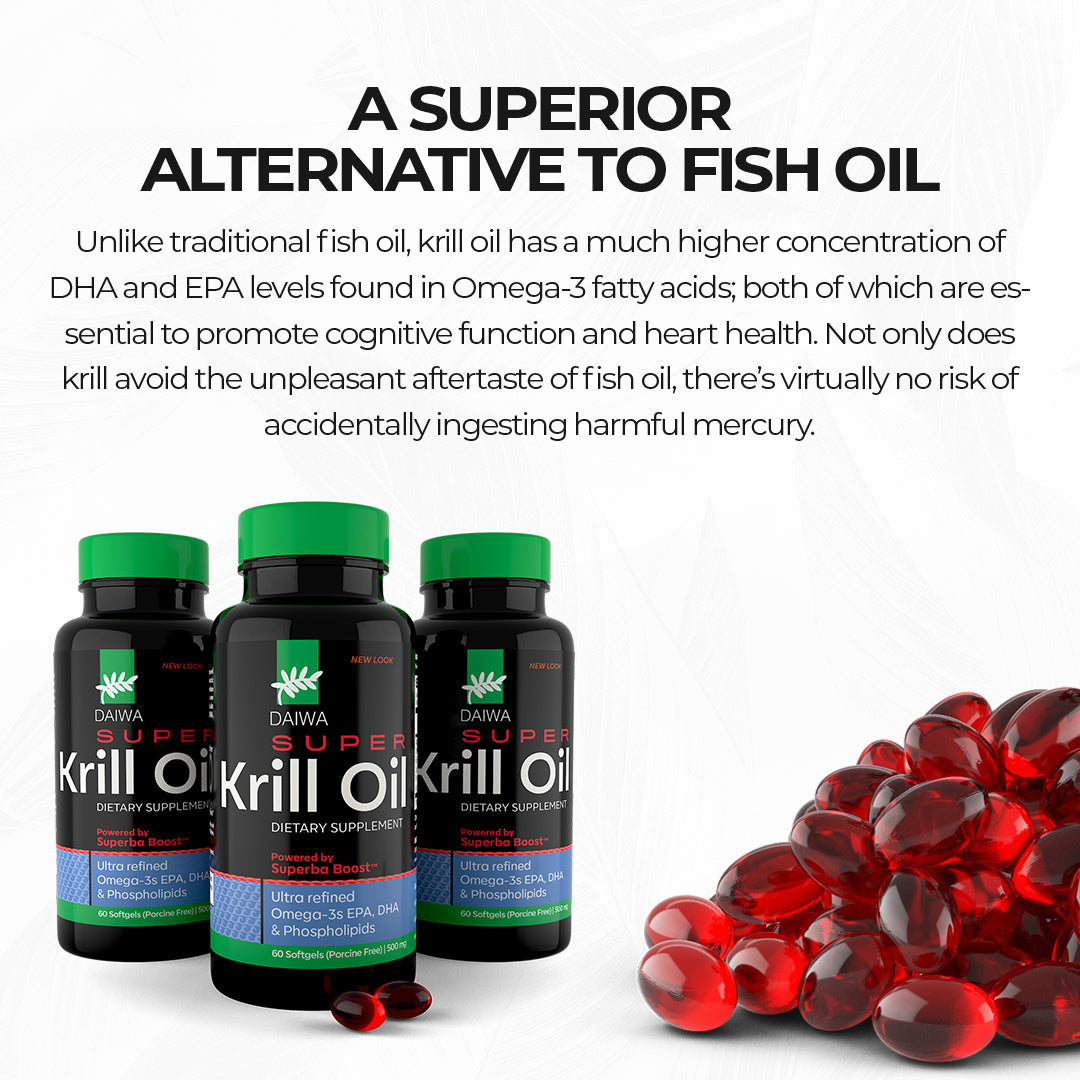
Daiwa Krill Oil
The Complete Guide to Krill Oil: Benefits, Uses, Dosage & Everything You Need to Know
Krill oil is a dietary supplement known for its omega-3 content and potential health benefits for heart, brain, and joints. This guide is for anyone interested in learning about krill oil, whether you're considering supplementation or just want to understand its benefits and uses. With growing interest in omega-3 supplements, understanding the unique properties of krill oil can help you make informed health decisions. Here, you'll find a comprehensive, research-backed overview covering krill oil benefits, how it compares to fish oil, optimal dosage, side effects, and expert recommendations for dietary supplementation.
What Is Krill Oil?
Krill oil is extracted from the Antarctic marine crustacean Euphausia superba. Krill oil is a nutrient-rich dietary supplement extracted from Antarctic krill (Euphausia superba), tiny shrimp-like crustaceans that thrive in the pristine waters of the Antarctic Ocean. These small marine creatures form one of the largest biomasses on Earth and serve as a primary food source for whales, penguins, seals, and various fish species. The oil derived from krill has gained tremendous popularity as a dietary supplement due to its unique composition of omega-3 fatty acids, phospholipids, and the powerful antioxidant astaxanthin.
The omega-3 fatty acids in krill oil include eicosapentaenoic acid (EPA) and docosahexaenoic acid (DHA). Krill oil products often include astaxanthin, a carotenoid that contributes to the oil's color and provides antioxidant properties.
Phospholipid Structure and Absorption
Unlike traditional fish oil supplements, krill oil delivers essential fatty acids in a phospholipid form, which research suggests may offer superior absorption compared to the triglyceride form found in most fish oil products. This unique molecular structure allows the omega-3 fatty acids, particularly EPA and DHA, to integrate more efficiently into cell membranes throughout body tissues.
The distinctive red color of krill oil comes from astaxanthin, a carotenoid pigment with remarkable anti-inflammatory properties and antioxidant capabilities. This natural compound not only provides health benefits but also helps protect the oil from oxidation, keeping krill oil supplements fresh and stable without the need for artificial preservatives.
Now that we've covered what krill oil is, let's explore where it comes from and how it's sourced.
Where Does Krill Oil Come From?
Krill oil is sourced exclusively from krill harvested in the Antarctic Ocean, one of the cleanest and most pristine marine environments on the planet. Antarctic krill feed primarily on phytoplankton and microscopic algae, which provide them with their rich omega-3 content. Because krill exist at the bottom of the food chain, they accumulate significantly fewer environmental pollutants and heavy metals compared to larger fish species used for fish oil production.
The harvesting of Antarctic krill is strictly regulated by the Commission for the Conservation of Antarctic Marine Living Resources (CCAMLR) to ensure sustainability. Many reputable krill oil manufacturers hold certifications from organizations like the Marine Stewardship Council (MSC) and Friend of the Sea, demonstrating their commitment to responsible harvesting practices that protect the delicate Antarctic ecosystem and the Adélie penguin food web.
Leading krill oil brands use eco-harvesting technology that minimizes bycatch and reduces environmental impact. The krill are processed immediately after harvest aboard specialized vessels, ensuring the oil retains its nutritional potency and freshness from catch to capsule.
With an understanding of krill oil's origins, let's examine what makes this supplement so special compared to other omega-3 sources.
What Is So Special About Krill Oil?
Several unique characteristics distinguish krill oil from other omega-3 supplements and make it a standout choice among nutritional supplements. Understanding these special properties helps explain why many healthcare professionals and consumers are choosing krill oil over traditional fish oil.
Phospholipid Form Omega-3s
The most significant distinguishing feature of krill oil is its phospholipid form of omega-3 fatty acids. In fish oil, EPA and DHA are bound to triglycerides, while in krill oil, 30-65% of the fatty acids are incorporated into phospholipids. This phospholipid form mirrors the structure of human cell membranes, potentially facilitating superior absorption and more efficient delivery to body tissues including the heart, brain, and joints.
A 2024 network meta-analysis published in Food Chemistry found that at dosages under 2000 mg, krill oil demonstrates superior absorption compared to fish oil. The study revealed that krill oil in phospholipid/free fatty acids formulation achieved the highest area under the curve (AUC) values, indicating enhanced bioavailability. This means you may need a lower dose of krill oil to achieve similar benefits as higher doses of fish oil.
Natural Astaxanthin Content
Krill oil naturally contains astaxanthin, a powerful carotenoid antioxidant responsible for the oil's distinctive red color. This compound offers anti-inflammatory properties that complement the omega-3 fatty acids, potentially enhancing overall health benefits. Astaxanthin also serves as a natural preservative, protecting the oil from oxidation and eliminating the need for synthetic additives.
Research indicates that astaxanthin may support cardiovascular health, skin health, and cognitive function. Quality krill oil supplements typically contain 100-1500 mcg of astaxanthin per serving, contributing to anti-aging benefits and protection against free radical damage.
Choline Content
Krill oil provides naturally occurring choline, an essential nutrient important for brain function, liver health, and cellular metabolism. The phosphatidylcholine in krill oil delivers choline in a highly bioavailable form, making krill oil supplements particularly valuable for supporting cognitive health and memory function.
No Fishy Aftertaste
One of the most appreciated advantages of krill oil is the absence of the fishy aftertaste commonly associated with fish oil supplements. The phospholipid structure allows krill oil to mix easily with stomach contents, reducing reflux and eliminating the unpleasant fishy burps that often discourage people from taking omega-3 supplements consistently.
Now that you know what sets krill oil apart, let's dive into the specific, research-backed benefits it can offer.
What Are the Benefits of Krill Oil?
Before exploring each benefit in detail, here’s a summary of the main, research-backed benefits of krill oil:
- Heart health: Supports cardiovascular health by lowering bad cholesterol (LDL) and triglycerides, and may help reduce inflammation in blood vessels, potentially lowering the risk of heart disease.
- Superior omega-3 absorption: The phospholipid form of omega-3s in krill oil allows for better absorption compared to regular fish oil.
- Brain and cognitive support: May help with mood, memory, and cognitive function.
- Skin hydration and anti-aging: Improves skin hydration, reduces transepidermal water loss, and helps combat skin aging by reducing wrinkles and maintaining moisture.
- Dry eye relief: May improve tear production and reduce dry eye symptoms.
- PMS and arthritis symptom relief: Offers potential advantages for premenstrual syndrome (PMS) and arthritis symptoms, including pain and inflammation reduction.
- Antioxidant and anti-inflammatory effects: Contains astaxanthin, a strong antioxidant, and has anti-inflammatory properties that benefit overall health and skin.
- Wound healing: Promotes wound healing by enhancing fibroblast function and collagen production.
Clinical trials and research studies continue to reveal the extensive health benefits of this remarkable nutritional supplement.
Cardiovascular Health Support
One of the most well-documented krill oil benefits is its positive impact on heart disease risk factors. Research published in clinical journals demonstrates that taking krill oil may help lower cholesterol levels, particularly reducing low-density lipoprotein (LDL) cholesterol while potentially increasing high-density lipoprotein (HDL) cholesterol. A systematic review and meta-analysis found that krill oil supplementation significantly lowered total cholesterol, LDL cholesterol, and triglycerides.
A randomized controlled trial comparing krill oil to fish oil found that the krill group experienced significant decreases in blood glucose levels. Furthermore, plasma levels of marine omega-3 fatty acids increased significantly in both groups compared to control, with krill oil potentially offering metabolic effects at lower doses than fish oil.
Joint Health and Arthritis Support
The anti-inflammatory properties of krill oil make it particularly beneficial for joint health and managing arthritic symptoms. Research shows that taking krill oil may reduce joint pain, stiffness, and inflammation associated with both osteoarthritis and rheumatoid arthritis. A 2025 meta-analysis published in Medicine found that krill oil demonstrated significant benefits in terms of pain reduction and function improvement in knee osteoarthritis patients.
The combination of EPA and DHA omega-3 fatty acids with astaxanthin creates a powerful anti-inflammatory combination that may help reduce chronic inflammation throughout the body. Clinical course studies indicate that consistent dietary supplementation with krill oil can help manage arthritic symptoms and improve overall joint function.
Skin Health and Anti-Aging Benefits
Research increasingly supports the role of krill oil in improving skin health and skin condition. A 2024 study published in the Journal of Cosmetic Dermatology found that daily oral supplementation with krill oil showed significant improvements in skin barrier function, including reduced transepidermal water loss and increased skin hydration and elasticity compared to placebo.
The omega-3 fatty acids and astaxanthin in krill oil work synergistically to support skin health through multiple mechanisms. These nutrients help maintain the skin barrier, promote wound healing, and provide protection against UV-induced skin damage. The anti-inflammatory properties also help address skin conditions related to chronic inflammation.
Brain Function and Cognitive Health
The DHA content in krill oil plays a crucial role in brain function and cognitive health. Because omega-3 fatty acids in krill oil are bound to phospholipids, they may cross the blood-brain barrier more efficiently than triglyceride-bound omega-3s in fish oil. This enhanced delivery may provide superior support for memory, focus, and overall cognitive function.
Studies suggest that krill oil supplementation may help protect against age-related cognitive decline and support mental clarity. The combination of omega-3 fatty acids, phospholipids, and choline makes krill oil supplements particularly valuable for maintaining brain health throughout the lifespan.
Women's Health and Premenstrual Syndrome
Clinical research indicates that krill oil may provide relief for women experiencing premenstrual syndrome symptoms. A 2024 review of studies found that women taking omega-3 supplements, including krill oil, experienced reductions in period-related pain and decreased need for pain medication. The anti-inflammatory properties of krill oil help address the underlying inflammation associated with menstrual discomfort.
Immune System Support
The omega-3 fatty acids and antioxidants in krill oil help support immune system function. By reducing chronic inflammation and oxidative stress, krill oil creates an environment that allows the immune system to function optimally. The astaxanthin content provides additional antioxidant protection that supports overall immune health.
Now that you know the main benefits, let's compare krill oil to fish oil to help you make an informed choice.
Krill Oil vs Fish Oil: What Is the Difference?
Understanding the differences between krill oil and fish oil helps consumers make informed decisions about omega-3 supplementation. While both provide similar benefits through their EPA and DHA content, several key distinctions set these two dietary supplements apart.
Molecular Structure and Absorption
The fundamental difference between krill oil and fish oil lies in how the omega-3 fatty acids are structured. In fish oil, EPA and DHA are primarily bound to triglycerides, while in krill oil, they are predominantly bound to phospholipids. This structural difference has significant implications for better absorption and bioavailability.
Research published in multiple scientific journals suggests that the phospholipid-bound omega-3s in krill oil demonstrate superior absorption compared to triglyceride-bound omega-3s in fish oil. A 2015 study found that participants taking krill oil achieved higher blood concentrations of EPA and DHA over 72 hours compared to those taking fish oil, suggesting better absorption of the krill oil.
Omega-3 Concentration
Fish oil typically contains higher absolute concentrations of EPA and DHA per serving than krill oil. A standard fish oil capsule might provide 300-500 mg of combined EPA and DHA, while a krill oil capsule typically provides 100-300 mg. However, due to the superior absorption of krill oil's phospholipid-bound omega-3s, lower doses may provide essentially similar health effects.
Antioxidant Content
Krill oil contains naturally occurring astaxanthin, a powerful antioxidant not found in most fish oil products. This compound protects the oil from oxidation and provides additional health benefits beyond omega-3 supplementation. Fish oil typically requires added antioxidants like vitamin E to prevent rancidity.
Sustainability and Environmental Considerations
Both krill oil and fish oil raise sustainability considerations. Krill harvesting is strictly regulated, and reputable manufacturers obtain certifications for sustainable practices. Fish oil production relies on fish populations that face increasing pressure from overfishing. Some argue that krill, as one of the most abundant biomasses on Earth, represents a more sustainable omega-3 source when harvested responsibly.
Cost Comparison
Krill oil supplements are generally more expensive than fish oil products. However, when considering the potentially lower doses needed due to better absorption, the cost difference may be less significant than it initially appears. The absence of fishy aftertaste and the additional benefits of astaxanthin may justify the higher price for many consumers.
With these differences in mind, let's look at the specific health conditions and goals krill oil may help address.
For more details, see Krill Oil vs Fish Oil Paleo. For more details, see Krill Oil vs Flaxseed. For more details, see Krill Oil Research Studies.What Does Krill Oil Help With?
Taking krill oil regularly may provide support for numerous health conditions and wellness goals. The research-backed applications of krill oil continue to expand as scientists investigate its effects on various aspects of human health.
Krill oil has shown promise in helping with high cholesterol by reducing total cholesterol and LDL levels while potentially increasing beneficial HDL cholesterol. For individuals with elevated cholesterol levels, dietary supplementation with krill oil may complement lifestyle modifications and support cardiovascular health.
Research suggests krill oil may help manage heart disease risk factors through multiple mechanisms, including reducing inflammation, lowering triglycerides, and supporting healthy blood pressure. The omega-3 fatty acids in krill oil help reduce chronic inflammation throughout the cardiovascular system.
For those struggling with joint discomfort, krill oil's anti-inflammatory properties may help reduce pain and stiffness associated with arthritis. The combination of omega-3 fatty acids and astaxanthin targets inflammation at the cellular level.
Individuals interested in improving skin health may benefit from krill oil's ability to support the skin barrier, enhance hydration, and promote wound healing. The antioxidant astaxanthin also provides protection against environmental damage and supports anti-aging efforts.
Now that you know what krill oil can help with, let's discuss how much you should take for different health goals.
How Much Krill Oil Should I Take?
Determining the optimal krill oil dosage depends on individual health goals, current omega-3 intake from food sources, and the specific product being used. Understanding proper oil use helps maximize benefits while minimizing potential side effects.
General Wellness
For general health maintenance, most experts recommend 250-500 mg of combined EPA and DHA daily. This typically translates to 1-2 krill oil capsules per day, depending on the concentration of the supplement. Many krill oil supplements provide 1000 mg of krill oil per serving, with approximately 200-300 mg of EPA and DHA combined.
Cardiovascular Support
For cardiovascular health benefits, research suggests higher doses of 1-4 grams of krill oil daily may be beneficial. Clinical trials studying krill oil's effects on cholesterol levels and heart disease risk factors have used doses in this range. The Food and Drug Administration considers up to 3 grams of EPA and DHA daily to be generally safe.
Joint Health
Studies examining krill oil for joint health have used doses ranging from 300 mg to 2 grams daily. For managing arthritic symptoms, higher doses within this range may provide more noticeable benefits for reducing pain and improving joint function.
Important Dosage Considerations
When evaluating krill oil supplements, focus on the EPA and DHA content rather than total krill oil amount. A product advertising 1000 mg of krill oil may contain varying amounts of actual omega-3 fatty acids. Always check the supplement facts panel for specific EPA and DHA content per serving.
Consult with a healthcare provider before taking high doses of krill oil, especially if you have underlying health conditions or take prescription medications. Your healthcare professional can provide personalized dosage recommendations based on your individual health profile.
With dosage guidelines in mind, let's look at the best timing and methods for taking krill oil.
When Is the Best Time to Take Krill Oil?
The timing of krill oil supplementation can influence absorption and minimize potential side effects. Understanding when to take krill oil helps optimize its benefits.
Take With Food
Taking krill oil with a meal containing dietary fat significantly enhances absorption. The presence of fat in the digestive system triggers bile release, which aids in the breakdown and absorption of the fat-soluble omega-3 fatty acids. Meals containing healthy fats like olive oil, avocado, or eggs provide an ideal environment for krill oil absorption.
Morning vs Night
Most people prefer taking krill oil in the morning with breakfast. While there is no definitive research indicating that morning is superior to evening, taking krill oil earlier in the day may reduce the risk of experiencing any fishy aftertaste during sleep. However, the essential fatty acids in krill oil build up in the body over time, so consistency matters more than specific timing.
Some individuals split their dose, taking half with breakfast and half with dinner. This approach may help maximize absorption and reduce any digestive discomfort that could occur with larger single doses.
Now that you know when to take krill oil, let's explore how it works in the body.
How Does Krill Oil Help the Body?
Understanding how krill oil works in the body helps explain its wide-ranging health benefits. The mechanisms through which krill oil supports health involve multiple pathways at the cellular level.
Cell Membrane Integration
The phospholipid-bound omega-3 fatty acids in krill oil readily integrate into cell membranes throughout the body. Cell membranes are composed primarily of phospholipids, so the omega-3s from krill oil can be incorporated more efficiently than triglyceride-bound omega-3s. This integration improves cell membrane fluidity and function.
Anti-Inflammatory Mechanisms
Krill oil combats chronic inflammation through several mechanisms. EPA and DHA serve as precursors to anti-inflammatory compounds called resolvins and protectins. These specialized molecules help resolve inflammation naturally, counteracting the pro-inflammatory effects of omega-6 fatty acids that dominate many modern diets.
Cholesterol Metabolism
Krill oil influences cholesterol metabolism at the liver level. Research suggests that krill oil may affect genes involved in lipid metabolism, potentially explaining how it helps lower cholesterol levels. The phospholipids in krill oil may also affect how the body transports and utilizes cholesterol.
With an understanding of how krill oil works, let's review its potential side effects and safety considerations.
What Are the Side Effects of Krill Oil?
Krill oil is generally well-tolerated by most people, but like all dietary supplements, it may cause side effects in some individuals. Understanding potential side effects helps users make informed decisions about supplementation.
Side effects of krill oil may include digestive issues, allergic reactions, and interactions with medications.
Common Side Effects
Mild gastrointestinal symptoms such as stomach upset, decreased appetite, heartburn, bloating, diarrhea, and nausea. These symptoms typically occur when starting supplementation and often diminish over time as the body adjusts.
Some users report fishy burps or fishy aftertaste, though this occurs less frequently with krill oil than with fish oil due to krill oil's phospholipid structure. Taking krill oil with food can help minimize these digestive side effects.
Blood Thinning Effects
Omega-3 fatty acids, including those in krill oil, have mild blood-thinning effects. While this can be beneficial for cardiovascular health, it may increase bleeding risk in certain situations. Individuals taking blood-thinning medications or other medications affecting clotting should consult their healthcare provider before taking krill oil.
Allergic Reactions
People with seafood allergies, particularly shellfish allergies, should avoid krill oil. Krill are crustaceans, and their oil may trigger allergic reactions in sensitive individuals. Symptoms of an allergic reaction may include hives, difficulty breathing, and swelling of the face, lips, tongue, or throat. Anyone experiencing these symptoms should seek immediate medical attention.
Now that you know the possible side effects, let's discuss who should avoid krill oil and important safety precautions.
Who Should Not Take Krill Oil?
While krill oil is safe for most healthy adults, certain individuals should avoid krill oil supplements or use them only under medical supervision.
- Seafood Allergies: Krill oil should not be used in patients with a fish or shrimp allergy. Individuals with allergies to fish, shrimp, or other seafood should not take krill oil. Cross-reactivity between krill and other shellfish is possible, making krill oil unsuitable for anyone with shellfish sensitivities or allergies to tree nuts in some cases where allergen profiles overlap.
- Bleeding Disorders: People with bleeding disorders or those taking anticoagulant medications (blood thinners) should exercise caution with krill oil. The omega-3 fatty acids may enhance blood-thinning effects, potentially increasing bleeding risk. Always consult a healthcare professional before combining krill oil with prescription medications affecting blood clotting.
- Scheduled Surgery: Krill oil should be discontinued at least two weeks prior to any scheduled surgery or procedure. Due to its potential blood-thinning effects, individuals should stop taking krill oil at least two weeks before any scheduled surgery or procedure. This precaution helps minimize the risk of excessive bleeding during and after surgical procedures.
- Pregnancy and Breast Feeding: It is important to consult a healthcare professional before taking krill oil, especially if pregnant or nursing. There is insufficient research on the safety of krill oil during pregnancy and breast feeding. While omega-3 fatty acids are important during pregnancy, pregnant or nursing women should consult their healthcare provider before taking krill oil supplements. Many healthcare professionals recommend obtaining omega-3s from well-studied sources during pregnancy.
With safety considerations in mind, let's look at how to choose a high-quality krill oil supplement.
What to Look For in Krill Oil Supplements
Choosing a high-quality krill oil supplement requires attention to several key factors. Not all krill oil capsules are created equal, and understanding what distinguishes quality products helps ensure you receive optimal benefits.
- Source and Purity: Look for Antarctic krill oil sourced from the pristine waters of the Antarctic Ocean. Quality manufacturers use sustainably harvested Antarctic krill (Euphausia superba) and maintain complete traceability from catch to capsule. Third-party testing for purity, potency, and environmental pollution helps ensure the product meets quality standards.
- Sustainability Certifications: Reputable krill oil brands carry sustainability certifications from organizations like the Marine Stewardship Council (MSC) or Friend of the Sea. These certifications indicate that the krill was harvested using responsible practices that protect marine ecosystems. Products like Superba krill oil from Aker BioMarine represent industry standards for sustainable sourcing.
- Phospholipid Content: Check the phospholipid content of krill oil supplements. Higher phospholipid levels generally indicate a purer krill oil product with better absorption potential. Products listing 40% or higher phospholipid content are considered high quality. Some lower-cost products may contain fish oil blends rather than pure krill oil, resulting in lower phospholipid percentages.
- EPA and DHA Content: Always check the specific amounts of EPA and DHA per serving rather than just total krill oil content. Quality products clearly list the amounts of these essential fatty acids. A good krill oil supplement should provide at least 100-200 mg of combined EPA and DHA per serving.
- Astaxanthin Levels: Quality krill oil supplements contain significant amounts of naturally occurring astaxanthin. Look for products providing 100-1500 mcg of astaxanthin per serving. This antioxidant not only provides health benefits but also indicates that the oil has been processed carefully to preserve its natural components.
Now that you know what to look for, let's review some of the best krill oil supplements available.
What Is the Best Krill Oil Supplement?
Several krill oil brands have established reputations for quality, purity, and efficacy. Understanding what distinguishes the best krill oil supplements helps consumers make informed purchasing decisions.
Daiwa Krill Oil
Most omega-3 supplements rely on fish oil — but Daiwa krill oil is molecularly superior:
- Phospholipid-based structure improves absorption by up to 2–3× compared to triglyceride-based fish oils.*
- Naturally mercury-free and sustainably sourced from pristine Antarctic waters.
- No aftertaste or burps, thanks to krill’s unique composition.
- Higher EPA/DHA bioavailability, supporting both heart rhythm and cognitive function.*
Neptune Krill Oil
Neptune krill oil represents one of the original and most researched krill oil formulations. Published studies in journals like Altern Med Rev have used Neptune Krill Oil to examine effects on cholesterol levels and premenstrual syndrome. Products using NKO (Neptune Krill Oil) benefit from this established research base.
Superba Krill Oil
Superba krill oil, produced by Aker BioMarine, has become one of the most recognized krill oil ingredients in the industry. Products like Superba 2 and Superba Boost offer highly concentrated, well-researched formulations with excellent sustainability credentials. Many top-rated supplements use Superba krill oil as their primary ingredient.
Recommended Brands
Based on quality, research support, and consumer reviews, several brands consistently rank among the best krill oil supplements:
- Daiwa Health Krill Oil: Sustainably harvested from the Antarctic ecosystem, Rich in phospholipids for superior bioavailability, Mercury-free, non-GMO, and clinically researched and No fishy smell or aftertaste — just smooth absorption!
- MegaRed Antarctic Krill Oil offers convenient softgels with established market presence.
- Kori Krill Oil provides sustainably sourced Antarctic krill oil with superior absorption claims.
- Sports Research Antarctic Krill Oil uses Superba2 and maintains MSC certification.
- Transparent Labs Krill Oil uses Superba 2 and is Informed-Choice Trusted by Sport certified.
With the best supplements in mind, let's see how krill oil can benefit your pets.
Krill Oil for Dogs and Cats
Krill oil supplements have become increasingly popular for pets, offering similar benefits to dogs and cats as they do for humans. Understanding how to safely use krill oil for pets helps pet owners support their animals' health.
Benefits for Dogs
Dogs can benefit significantly from krill oil supplementation. The omega-3 fatty acids support healthy skin and coat, reduce inflammation associated with joint issues, and promote cardiovascular health. Research suggests that krill oil may be particularly beneficial for dogs with arthritis, allergies, or skin problems.
Pet Dosage Guidelines
The appropriate krill oil dosage for dogs depends on the animal's size and health needs. General guidelines suggest approximately 15 mg of EPA and DHA per pound of body weight. Small dogs (up to 20 lbs) typically need about 250 mg of krill oil daily, while larger dogs may benefit from 500 mg or more. Always consult with a veterinarian before starting any supplement regimen for pets.
Safety Considerations
Krill oil is generally safe for dogs and cats when used appropriately. However, pets with seafood allergies should avoid krill oil, and animals taking blood-thinning medications or scheduled for surgery should discontinue use. Side effects in pets may include mild gastrointestinal upset, which typically resolves with continued use.
Now that you know about krill oil for pets, let's look at how krill oil is made.
How Is Krill Oil Made?
Understanding the production process of krill oil helps consumers appreciate why quality varies among products and why sustainable harvesting matters.
Harvesting
Antarctic krill are harvested using specialized vessels equipped with eco-harvesting technology. These systems capture krill with minimal bycatch, protecting other marine species and the broader ecosystem. The krill are processed immediately aboard the vessels to preserve freshness and prevent oxidation of the valuable omega-3 fatty acids.
Extraction Process
The oil is extracted from krill using solvents like acetone and ethanol, which effectively separate the oil while preserving its natural nutritional profile. This extraction process retains the phospholipids, omega-3 fatty acids, astaxanthin, and other beneficial components. Quality manufacturers use gentle extraction methods that maintain the molecular species integrity of the oil.
Quality Control
Reputable manufacturers test krill oil for purity, potency, and absence of organochlorine pesticides and other environmental pollutants. The finished oil is encapsulated in soft gel form to protect it from oxidation and make it convenient for consumers. Quality products undergo third-party testing to verify label claims and ensure product safety.
With an understanding of how krill oil is made, let's discuss how long it takes to see results.
How Long Does Krill Oil Take to Work?
The timeline for experiencing krill oil benefits varies depending on the specific health goal and individual factors. Understanding realistic expectations helps users maintain consistency with supplementation.
Building Omega-3 Levels
Omega-3 fatty acids accumulate in cell membranes over time, so benefits develop gradually with consistent use. Most healthy volunteers in clinical studies begin showing measurable increases in blood omega-3 levels within 2-4 weeks of regular supplementation. However, achieving optimal levels may take 2-3 months of consistent daily use.
Specific Benefits Timeline
Some benefits may be noticed sooner than others. Improvements in skin hydration and reduced joint stiffness may become apparent within 4-6 weeks. Changes in cholesterol levels typically require 8-12 weeks of consistent supplementation to become measurable. Cognitive benefits and long-term cardiovascular protection develop over months of regular use.
Now that you know how long it takes to work, let's look at how to store krill oil for maximum freshness.
How Long Does Krill Oil Last?
Proper storage of krill oil supplements helps maintain their potency and prevents oxidation that can reduce effectiveness and create unpleasant tastes.
Shelf Life
Unopened krill oil supplements typically have a shelf life of 2-3 years when stored properly. The natural astaxanthin in krill oil acts as an antioxidant, helping preserve the oil longer than fish oil products that lack this protective compound. However, once opened, krill oil should be used within several months for optimal freshness.
Storage Recommendations
Store krill oil in a cool, dry place away from direct sunlight and heat. While refrigeration is not necessary for most krill oil products, it can help extend freshness, particularly in warmer climates. Always keep the container tightly closed to minimize exposure to air and moisture.
With storage tips in mind, let's summarize why many people choose krill oil over fish oil.
Why Choose Krill Oil Over Fish Oil?
Several compelling reasons explain why many consumers and healthcare providers prefer krill oil over traditional fish oil supplements.
- Superior Absorption: The phospholipid form of omega-3 fatty acids in krill oil offers superior absorption compared to the triglyceride form in fish oil. This means lower doses of krill oil may provide similar benefits as higher doses of fish oil, potentially making krill oil more cost-effective despite its higher per-capsule price.
- No Fishy Burps: The phospholipid structure of krill oil allows it to mix easily with stomach contents, virtually eliminating the fishy burps and aftertaste that plague many fish oil users. This improved tolerability helps users maintain consistent supplementation over time.
- Additional Nutrients: Krill oil provides nutrients beyond omega-3 fatty acids, including astaxanthin, phospholipids, and choline. These additional compounds offer antioxidant protection, support brain health, and may enhance the overall effectiveness of the supplement.
- Purity and Sustainability: Krill live at the bottom of the food chain and have short lifespans, resulting in lower accumulation of environmental pollutants compared to larger fish. When sourced from certified sustainable fisheries, krill oil offers an environmentally responsible way to obtain essential omega-3 fatty acids.
Now, let's address some of the most frequently asked questions about krill oil.
Frequently Asked Questions About Krill Oil
Is Krill Oil the Same as Omega-3?
While krill oil contains omega-3 fatty acids, they are not identical. Krill oil is a complete supplement containing omega-3s (EPA and DHA) bound to phospholipids, plus astaxanthin and choline. Omega-3 refers to a class of fatty acids that can come from various sources including fish oil, algae, flaxseed, and krill.
Does Krill Oil Help Weight Loss?
While krill oil is not a weight loss supplement, omega-3 fatty acids may support metabolic health and reduce inflammation that can contribute to obesity-related conditions. Some research suggests that omega-3 supplementation may help with body composition when combined with diet and exercise, but krill oil should not be relied upon as a primary weight loss intervention.
What Foods Contain Krill Oil?
Krill oil itself is not naturally found in food; it must be extracted from krill and consumed as a dietary supplement. However, whole krill is consumed in some cuisines, particularly in Japan (where it's called okiami), South Korea, and Taiwan. Krill oil as a concentrated supplement offers a more practical way to obtain its benefits.
Why Is Krill Oil So Expensive?
Krill oil costs more than fish oil due to several factors: the remote Antarctic harvesting location, specialized eco-harvesting vessels, immediate onboard processing to preserve freshness, strict sustainability regulations, and the complex extraction process required to maintain the phospholipid structure. The higher bioavailability may offset some cost concerns as lower doses may be effective.
Why Is Krill Oil Red?
The distinctive red color of krill oil comes from astaxanthin, a natural carotenoid pigment that krill accumulate from their diet of phytoplankton and algae. This same compound gives salmon, flamingos, and shrimp their pink or red coloration. The presence of astaxanthin indicates a pure, high-quality krill oil product.
How Much Astaxanthin Is in Krill Oil?
Astaxanthin content varies among krill oil products, typically ranging from 100 to 2000 mcg per serving. Quality products clearly list astaxanthin content on their labels. While the amounts are lower than standalone astaxanthin supplements, the astaxanthin in krill oil works synergistically with the omega-3 fatty acids to provide antioxidant protection.
How Much Vitamin D Is in Krill Oil?
Krill oil contains minimal amounts of vitamin D compared to fish oil, particularly cod liver oil. If vitamin D supplementation is a priority, consider separate vitamin D supplements rather than relying on krill oil as a source. The primary benefits of krill oil come from its omega-3 fatty acids, phospholipids, and astaxanthin rather than vitamin content.
Conclusion
Krill oil represents a significant advancement in omega-3 supplementation, offering superior absorption, additional beneficial compounds, and improved tolerability compared to traditional fish oil. The research supporting krill oil benefits continues to grow, with clinical trials demonstrating positive effects on cardiovascular health, joint function, skin health, cognitive performance, and overall well-being.
When choosing krill oil supplements, prioritize quality products from reputable manufacturers using sustainably sourced Antarctic krill. Pay attention to EPA and DHA content, phospholipid levels, and astaxanthin concentration. Consider your specific health goals when determining appropriate dosing, and always consult with a healthcare provider if you have underlying health conditions or take prescription medications.
For most people seeking to increase their omega-3 intake, krill oil offers an effective, well-tolerated option that delivers essential fatty acids in a highly bioavailable form. Whether you're focused on heart health, joint comfort, skin appearance, or overall wellness, krill oil provides a comprehensive nutritional supplement backed by growing scientific evidence.
Remember that dietary supplements work best as part of a comprehensive approach to health that includes a balanced diet, regular exercise, adequate sleep, and routine medical care. Krill oil can be a valuable addition to your wellness routine, but it should complement rather than replace a healthy lifestyle and appropriate medical care.
Disclaimer
This article is for informational purposes only and does not constitute medical advice. The statements in this article have not been evaluated by the Food and Drug Administration. Krill oil supplements are not intended to diagnose, treat, cure, or prevent any disease. Always consult with a qualified healthcare professional before starting any new supplement regimen, especially if you have existing health conditions, take prescription medications, or are pregnant or breast feeding.
Krill Oil Complete FAQs
What Is Krill Oil?
Krill oil is extracted from the Antarctic marine crustacean Euphausia superba. Krill oil is a nutrient-rich dietary supplement extracted from Antarctic krill (Euphausia superba), tiny shrimp-like crustaceans that thrive in the pristine waters of the Antarctic Ocean. These small marine creatures form one of the largest biomasses on Earth and serve as a primary food source for whales, penguins, seals, and various fish species. The oil derived from krill has gained tremendous popularity as a dietary supplement due to its unique composition of omega-3 fatty acids, phospholipids, and the powerful antioxidant astaxanthin. The omega-3 fatty acids in krill oil include eicosapentaenoic acid (EPA) and docosahexaenoic acid (DHA). Krill oil products often include astaxanthin, a carotenoid that contributes to the oil's color and provides antioxidant properties.
Where Does Krill Oil Come From?
Krill oil is sourced exclusively from krill harvested in the Antarctic Ocean, one of the cleanest and most pristine marine environments on the planet. Antarctic krill feed primarily on phytoplankton and microscopic algae, which provide them with their rich omega-3 content. Because krill exist at the bottom of the food chain, they accumulate significantly fewer environmental pollutants and heavy metals compared to larger fish species used for fish oil production. The harvesting of Antarctic krill is strictly regulated by the Commission for the Conservation of Antarctic Marine Living Resources (CCAMLR) to ensure sustainability. Many reputable krill oil manufacturers hold certifications from organizations like the Marine Stewardship Council (MSC) and Friend of the Sea, demonstrating their commitment to responsible harvesting practices that protect the delicate Antarctic ecosystem and the Adélie penguin food web. Leading krill oil brands use eco-harvesting technology that minimizes bycatch and reduces environmental impact. The krill are processed immediately after harvest aboard specialized vessels, ensuring the oil retains its nutritional potency and freshness from catch to capsule. With an understanding of krill oil's origins, let's examine what makes this supplement so special compared to other omega-3 sources.
What Is So Special About Krill Oil?
Several unique characteristics distinguish krill oil from other omega-3 supplements and make it a standout choice among nutritional supplements. Understanding these special properties helps explain why many healthcare professionals and consumers are choosing krill oil over traditional fish oil.
What Are the Benefits of Krill Oil?
Before exploring each benefit in detail, here’s a summary of the main, research-backed benefits of krill oil: Heart health: Supports cardiovascular health by lowering bad cholesterol (LDL) and triglycerides, and may help reduce inflammation in blood vessels, potentially lowering the risk of heart disease. Superior omega-3 absorption: The phospholipid form of omega-3s in krill oil allows for better absorption compared to regular fish oil. Brain and cognitive support: May help with mood, memory, and cognitive function. Skin hydration and anti-aging: Improves skin hydration, reduces transepidermal water loss, and helps combat skin aging by reducing wrinkles and maintaining moisture. Dry eye relief: May improve tear production and reduce dry eye symptoms. PMS and arthritis symptom relief: Offers potential advantages for premenstrual syndrome (PMS) and arthritis symptoms, including pain and inflammation reduction. Antioxidant and anti-inflammatory effects: Contains astaxanthin, a strong antioxidant, and has anti-inflammatory properties that benefit overall health and skin. Wound healing: Promotes wound healing by enhancing fibroblast function and collagen production. Clinical trials and research studies continue to reveal the extensive health benefits of this remarkable nutritional supplement.
What Does Krill Oil Help With?
Taking krill oil regularly may provide support for numerous health conditions and wellness goals. The research-backed applications of krill oil continue to expand as scientists investigate its effects on various aspects of human health. Krill oil has shown promise in helping with high cholesterol by reducing total cholesterol and LDL levels while potentially increasing beneficial HDL cholesterol. For individuals with elevated cholesterol levels, dietary supplementation with krill oil may complement lifestyle modifications and support cardiovascular health. Research suggests krill oil may help manage heart disease risk factors through multiple mechanisms, including reducing inflammation, lowering triglycerides, and supporting healthy blood pressure. The omega-3 fatty acids in krill oil help reduce chronic inflammation throughout the cardiovascular system. For those struggling with joint discomfort, krill oil's anti-inflammatory properties may help reduce pain and stiffness associated with arthritis. The combination of omega-3 fatty acids and astaxanthin targets inflammation at the cellular level. Individuals interested in improving skin health may benefit from krill oil's ability to support the skin barrier, enhance hydration, and promote wound healing. The antioxidant astaxanthin also provides protection against environmental damage and supports anti-aging efforts. Now that you know what krill oil can help with, let's discuss how much you should take for different health goals.
How Much Krill Oil Should I Take?
Determining the optimal krill oil dosage depends on individual health goals, current omega-3 intake from food sources, and the specific product being used. Understanding proper oil use helps maximize benefits while minimizing potential side effects.
When Is the Best Time to Take Krill Oil?
The timing of krill oil supplementation can influence absorption and minimize potential side effects. Understanding when to take krill oil helps optimize its benefits. Take With Food Taking krill oil with a meal containing dietary fat significantly enhances absorption. The presence of fat in the digestive system triggers bile release, which aids in the breakdown and absorption of the fat-soluble omega-3 fatty acids. Meals containing healthy fats like olive oil, avocado, or eggs provide an ideal environment for krill oil absorption. Morning vs Night Most people prefer taking krill oil in the morning with breakfast. While there is no definitive research indicating that morning is superior to evening, taking krill oil earlier in the day may reduce the risk of experiencing any fishy aftertaste during sleep. However, the essential fatty acids in krill oil build up in the body over time, so consistency matters more than specific timing. Some individuals split their dose, taking half with breakfast and half with dinner. This approach may help maximize absorption and reduce any digestive discomfort that could occur with larger single doses. Now that you know when to take krill oil, let's explore how it works in the body.
How Does Krill Oil Help the Body?
Understanding how krill oil works in the body helps explain its wide-ranging health benefits. The mechanisms through which krill oil supports health involve multiple pathways at the cellular level. Cell Membrane Integration The phospholipid-bound omega-3 fatty acids in krill oil readily integrate into cell membranes throughout the body. Cell membranes are composed primarily of phospholipids, so the omega-3s from krill oil can be incorporated more efficiently than triglyceride-bound omega-3s. This integration improves cell membrane fluidity and function. Anti-Inflammatory Mechanisms Krill oil combats chronic inflammation through several mechanisms. EPA and DHA serve as precursors to anti-inflammatory compounds called resolvins and protectins. These specialized molecules help resolve inflammation naturally, counteracting the pro-inflammatory effects of omega-6 fatty acids that dominate many modern diets. Cholesterol Metabolism Krill oil influences cholesterol metabolism at the liver level. Research suggests that krill oil may affect genes involved in lipid metabolism, potentially explaining how it helps lower cholesterol levels. The phospholipids in krill oil may also affect how the body transports and utilizes cholesterol. With an understanding of how krill oil works, let's review its potential side effects and safety considerations.
What Are the Side Effects of Krill Oil?
Krill oil is generally well-tolerated by most people, but like all dietary supplements, it may cause side effects in some individuals. Understanding potential side effects helps users make informed decisions about supplementation. Side effects of krill oil may include digestive issues, allergic reactions, and interactions with medications. Common Side Effects Mild gastrointestinal symptoms such as stomach upset, decreased appetite, heartburn, bloating, diarrhea, and nausea. These symptoms typically occur when starting supplementation and often diminish over time as the body adjusts. Some users report fishy burps or fishy aftertaste, though this occurs less frequently with krill oil than with fish oil due to krill oil's phospholipid structure. Taking krill oil with food can help minimize these digestive side effects. Blood Thinning Effects Omega-3 fatty acids, including those in krill oil, have mild blood-thinning effects. While this can be beneficial for cardiovascular health, it may increase bleeding risk in certain situations. Individuals taking blood-thinning medications or other medications affecting clotting should consult their healthcare provider before taking krill oil. Allergic Reactions People with seafood allergies, particularly shellfish allergies, should avoid krill oil. Krill are crustaceans, and their oil may trigger allergic reactions in sensitive individuals. Symptoms of an allergic reaction may include hives, difficulty breathing, and swelling of the face, lips, tongue, or throat. Anyone experiencing these symptoms should seek immediate medical attention. Now that you know the possible side effects, let's discuss who should avoid krill oil and important safety precautions.
Who Should Not Take Krill Oil?
While krill oil is safe for most healthy adults, certain individuals should avoid krill oil supplements or use them only under medical supervision. Seafood Allergies: Krill oil should not be used in patients with a fish or shrimp allergy. Individuals with allergies to fish, shrimp, or other seafood should not take krill oil. Cross-reactivity between krill and other shellfish is possible, making krill oil unsuitable for anyone with shellfish sensitivities or allergies to tree nuts in some cases where allergen profiles overlap. Bleeding Disorders: People with bleeding disorders or those taking anticoagulant medications (blood thinners) should exercise caution with krill oil. The omega-3 fatty acids may enhance blood-thinning effects, potentially increasing bleeding risk. Always consult a healthcare professional before combining krill oil with prescription medications affecting blood clotting. Scheduled Surgery: Krill oil should be discontinued at least two weeks prior to any scheduled surgery or procedure. Due to its potential blood-thinning effects, individuals should stop taking krill oil at least two weeks before any scheduled surgery or procedure. This precaution helps minimize the risk of excessive bleeding during and after surgical procedures. Pregnancy and Breast Feeding: It is important to consult a healthcare professional before taking krill oil, especially if pregnant or nursing. There is insufficient research on the safety of krill oil during pregnancy and breast feeding. While omega-3 fatty acids are important during pregnancy, pregnant or nursing women should consult their healthcare provider before taking krill oil supplements. Many healthcare professionals recommend obtaining omega-3s from well-studied sources during pregnancy. With safety considerations in mind, let's look at how to choose a high-quality krill oil supplement.
What Is the Best Krill Oil Supplement?
Several krill oil brands have established reputations for quality, purity, and efficacy. Understanding what distinguishes the best krill oil supplements helps consumers make informed purchasing decisions. Daiwa Krill Oil Most omega-3 supplements rely on fish oil — but Daiwa krill oil is molecularly superior: Phospholipid-based structure improves absorption by up to 2–3× compared to triglyceride-based fish oils.* Naturally mercury-free and sustainably sourced from pristine Antarctic waters. No aftertaste or burps, thanks to krill’s unique composition. Higher EPA/DHA bioavailability, supporting both heart rhythm and cognitive function.* Neptune Krill Oil Neptune krill oil represents one of the original and most researched krill oil formulations. Published studies in journals like Altern Med Rev have used Neptune Krill Oil to examine effects on cholesterol levels and premenstrual syndrome. Products using NKO (Neptune Krill Oil) benefit from this established research base. Superba Krill Oil Superba krill oil, produced by Aker BioMarine, has become one of the most recognized krill oil ingredients in the industry. Products like Superba 2 and Superba Boost offer highly concentrated, well-researched formulations with excellent sustainability credentials. Many top-rated supplements use Superba krill oil as their primary ingredient. Recommended Brands Based on quality, research support, and consumer reviews, several brands consistently rank among the best krill oil supplements: Daiwa Health Krill Oil: Sustainably harvested from the Antarctic ecosystem, Rich in phospholipids for superior bioavailability, Mercury-free, non-GMO, and clinically researched and No fishy smell or aftertaste — just smooth absorption! MegaRed Antarctic Krill Oil offers convenient softgels with established market presence. Kori Krill Oil provides sustainably sourced Antarctic krill oil with superior absorption claims. Sports Research Antarctic Krill Oil uses Superba2 and maintains MSC certification. Transparent Labs Krill Oil uses Superba 2 and is Informed-Choice Trusted by Sport certified. With the best supplements in mind, let's see how krill oil can benefit your pets.
Is Krill Oil the Same as Omega-3?
While krill oil contains omega-3 fatty acids, they are not identical. Krill oil is a complete supplement containing omega-3s (EPA and DHA) bound to phospholipids, plus astaxanthin and choline. Omega-3 refers to a class of fatty acids that can come from various sources including fish oil, algae, flaxseed, and krill.
Does Krill Oil Help Weight Loss?
While krill oil is not a weight loss supplement, omega-3 fatty acids may support metabolic health and reduce inflammation that can contribute to obesity-related conditions. Some research suggests that omega-3 supplementation may help with body composition when combined with diet and exercise, but krill oil should not be relied upon as a primary weight loss intervention.
What Foods Contain Krill Oil?
Krill oil itself is not naturally found in food; it must be extracted from krill and consumed as a dietary supplement. However, whole krill is consumed in some cuisines, particularly in Japan (where it's called okiami), South Korea, and Taiwan. Krill oil as a concentrated supplement offers a more practical way to obtain its benefits.
Why Is Krill Oil So Expensive?
Krill oil costs more than fish oil due to several factors: the remote Antarctic harvesting location, specialized eco-harvesting vessels, immediate onboard processing to preserve freshness, strict sustainability regulations, and the complex extraction process required to maintain the phospholipid structure. The higher bioavailability may offset some cost concerns as lower doses may be effective.
Why Is Krill Oil Red?
The distinctive red color of krill oil comes from astaxanthin, a natural carotenoid pigment that krill accumulate from their diet of phytoplankton and algae. This same compound gives salmon, flamingos, and shrimp their pink or red coloration. The presence of astaxanthin indicates a pure, high-quality krill oil product.
How Much Vitamin D Is in Krill Oil?
Krill oil contains minimal amounts of vitamin D compared to fish oil, particularly cod liver oil. If vitamin D supplementation is a priority, consider separate vitamin D supplements rather than relying on krill oil as a source. The primary benefits of krill oil come from its omega-3 fatty acids, phospholipids, and astaxanthin rather than vitamin content.
How Much Astaxanthin Is in Krill Oil?
Astaxanthin content varies among krill oil products, typically ranging from 100 to 2000 mcg per serving. Quality products clearly list astaxanthin content on their labels. While the amounts are lower than standalone astaxanthin supplements, the astaxanthin in krill oil works synergistically with the omega-3 fatty acids to provide antioxidant protection.