
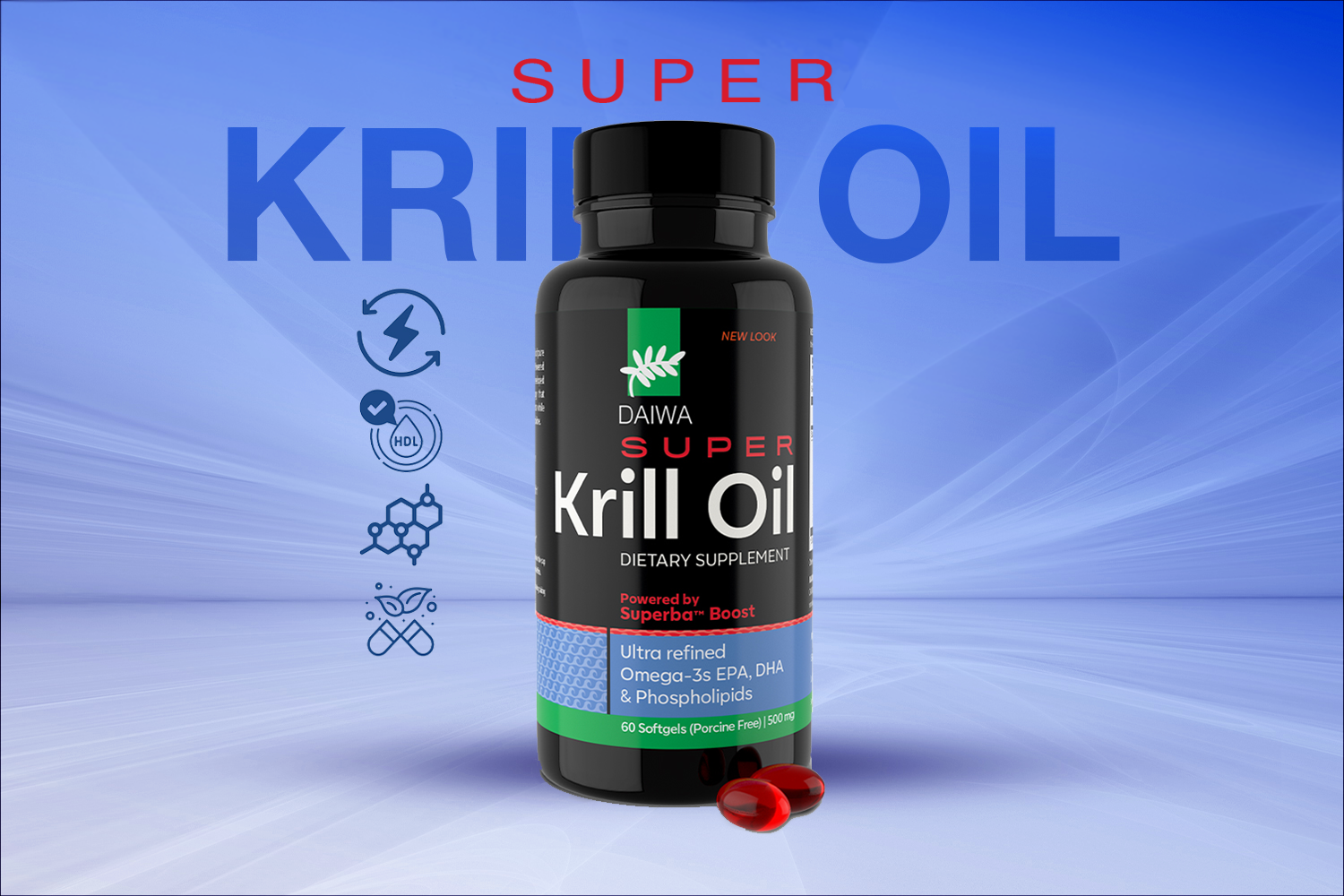
If you're following a paleo lifestyle, you already understand the importance of returning to nutrient-dense, ancestral foods. But here's a question that trips up even the most dedicated paleo practitioners: omega 3 fatty acids, should you reach for krill oil or fish oil supplements?
Both marine oils deliver the essential fatty acids epa and dha that your body craves, the same nutrients your ancestors obtained from consuming sea life and fatty fish. But the way these omega 3s are structured, absorbed, and processed by your body differs significantly between these two sources.
This guide breaks down everything you need to know about krill oil vs fish oil for paleo dieters. We'll examine bioavailability, paleo compliance, cost considerations, and help you determine which oil supplement aligns best with your ancestral eating approach.
Choose the Right Omega-3 for Your Paleo Lifestyle
Both krill oil and fish oil provide the essential eicosapentaenoic acid (EPA) and docosahexaenoic acid (DHA) that align with paleo principles. These polyunsaturated fatty acids aren't just beneficial, they're critical for supporting cardiovascular health, brain function, and reducing the inflammation that plagues modern diets.
Your choice between these marine sources impacts more than just omega-3 intake. Consider:
Bioavailability: How efficiently your body absorbs and uses these fatty acids
Paleo compliance: How closely each option mirrors ancestral food sources
Overall health outcomes: The potential benefits beyond basic omega-3 delivery
Practical factors: Cost, taste, sustainability, and daily dosing requirements
The goal isn't just to supplement. It's to counter the omega-6 overload from modern seed oils like corn oil that disrupts our ancestral fatty acid balance.
When making your decision, think about absorption rates, purity standards, and how closely each source resembles the traditional marine foods our ancestors consumed.
What Makes These Omega-3 Sources Unique?
Krill Oil-Phospholipid-Based Omega-3 Excellence
Krill oil comes from antarctic krill, small, shrimp like creatures that form the foundation of the ocean's food chain. These crustaceans thrive in the pristine waters of the Antarctic, feeding on phytoplankton and accumulating omega 3s in a form that's remarkably bioavailable.
What sets krill oil apart is its phospholipid structure. Between 30-65% of the EPA and DHA in krill oil is bound to phospholipids, primarily phosphatidylcholine. This matters because phospholipids are amphipathic molecules. They interact seamlessly with both water and fats, enabling direct integration into cell membranes.
Key advantages of krill oil supplements include:
Superior absorption: Phospholipid-bound omega-3s bypass some digestive processing steps
Natural antioxidant protection: Contains a powerful antioxidant called astaxanthin, the carotenoid responsible for krill's distinctive reddish hue
Lower effective doses: Better absorption means you may need 40-60% less material for equivalent blood levels
Oxidative stability: The antioxidant called astaxanthin naturally protects omega-3s from rancidity
Minimal processing: Aligns closely with whole foods principles that paleo dieters prioritize
Fish Oil-Traditional Marine Omega-3 Source
Fish oil represents the more established omega-3 supplement, derived from the tissues of oily fish like wild salmon, mackerel, sardines, and anchovies. For generations, fish intake has been recognized as essential for optimal health, and fish oil supplements concentrate these benefits.
In fish oil, the EPA and DHA are predominantly bound to triglycerides, similar to how these fatty acids exist when you eat whole fish. This triglyceride form requires enzymatic breakdown in your digestive tract before absorption.
Fish oil's strengths include:
Extensive research backing: Decades of clinical trials and American Heart Association endorsements
Higher concentration per serving: Typically delivers around 600mg EPA+DHA per softgel
Budget-friendly pricing: More affordable than krill alternatives
Wide availability: Found in virtually every pharmacy and health store
Traditional relevance: Represents ancestral fishing and consumption practices
Cod liver oil, a specific type of fish oil, also provides vitamins A and D alongside omega-3s, though it's a distinct product from standard fish oil supplements.
Krill Oil vs Fish Oil for Paleo: Key Differences
Bioavailability and Absorption
This is where the science gets interesting. The phospholipid structure in krill oil fundamentally changes how your body processes these omega-3s.
Think of it this way: triglycerides in fish oil separate from water-based bodily fluids like oil and vinegar. Phospholipids in krill oil, however, act as natural emulsifiers, enhancing solubility in blood plasma and facilitating superior transport to tissues.
Clinical research backs this up with hard numbers:
|
Krill Oil |
Fish Oil |
|
|---|---|---|
|
Primary fatty acid form |
Phospholipids (30-65%) |
Triglycerides |
|
Omega-3 index change |
2x higher increase |
Baseline comparison |
|
Dose required for equal plasma levels |
543mg EPA+DHA |
864mg EPA+DHA |
|
72-hour blood EPA/DHA rise |
Higher |
Lower |
|
Natural antioxidant |
Astaxanthin included |
None (may require additives) |
A complete review published in lipids health dis analyzed human and animal trials, finding that krill oil supplementation significantly elevates plasma EPA levels, total n-3 polyunsaturated fatty acids, and red blood cells EPA concentrations compared to fish oil supplementation.
In one 2011 trial, participants taking krill oil achieved higher EPA and DHA blood levels than those on fish oil, despite receiving 63% less krill oil by volume.
However, more research is needed. A 2024 meta-analysis noted that low-dose krill and fish oil emulsions (under 2,000mg) showed comparable effectiveness, and some trials found no statistically significant superiority in plasma phospholipid levels despite trends favoring krill.
Paleo Compliance Factors

For paleo practitioners, "compliance" extends beyond macros and food lists. It's about honoring ancestral patterns while avoiding modern processing pitfalls.
Processing Methods
Krill oil typically uses gentler extraction techniques, while many fish oil products undergo molecular distillation to remove contaminants. Both approaches have merit, distillation improves purity but adds processing
Upgrade Your Omega-3 Absorption
Standard fish oil wastes up to 68% of its EPA and DHA because the fats aren't bound to phospholipids. Daiwa Krill Oil delivers omega-3s in phospholipid form, the same structure your cell membranes use, plus natural astaxanthin for antioxidant protection.
Learn MorePurity and Contamination
Source location significantly impacts purity:
Antarctic krill feeds low on the food chain, minimizing heavy metal accumulation
Small forag
e fish (sardines, anchovies) used in quality fish oil also carry lower contamination riskBoth require third-party testing for peroxides and heavy metals
Ldl cholesterol and hdl cholesterol responses appear comparable between sources
Ancestral Relevance
Both represent legitimate ancestral food sources. Our ancestors consumed:
Shellfish and small crustaceans along coastlines
Fatty fish when available
Various forms of sea life depending on geographic location
Sustainability Considerations
Learn more about the importance of antioxidants in cell function and how it supports sustainability in personal health.
Krill fishing from abundant Antarctic populations is regulated but raises ecological concerns, krill supports whales, penguins, and other Antarctic species. Responsibly sourced fish oils from well-managed fisheries offer another sustainable path. Neither is perfect; both require conscious sourcing decisions.
Cost and Accessibility
Let's be direct about the financial reality.
Fish Oil Advantages:
Significantly cheaper per bottle
Available at every grocery store, pharmacy, and online retailer
Multiple dosage options and concentrations
Bulk purchasing reduces per-serving costs further
Krill Oil Considerations:
Higher upfront cost per bottle
Potentially better value when absorption is factored in
Less widely available in physical stores
Premium krill oil products command premium prices
Long-Term Cost Analysis
Here's where the math gets interesting. If krill oil requires 40-60% less material for equivalent blood level increases, the cost gap narrows considerably. A daily dose of krill oil delivering 216mg EPA + 90mg DHA may match or exceed the benefits of fish oil providing 212mg EPA + 178mg DHA.
For budget-conscious paleo dieters, fish oil remains the economical choice. For those prioritizing absorption efficiency, krill oil's premium may prove worthwhile.
Sustainability of Omega-3 Sources
When choosing between fish oil and krill oil supplements, It goes beyond your health that's at stake. It's the health of our oceans, too. The sustainability of omega-3 sources is a growing concern for paleo practitioners and environmentally conscious consumers alike.
Fish oil is typically derived from fatty fish such as wild salmon, sardines, and anchovies. While these oily fish are rich in eicosapentaenoic acid (EPA) and docosahexaenoic acid (DHA), their populations can be threatened by overfishing and unsustainable fishing practices. Depleting these fish stocks not only impacts the availability of fish oil supplements but also disrupts the ocean's food chain and the delicate balance of marine ecosystems.
To address these concerns, look for fish oil supplements that are certified by reputable organizations like the Marine Stewardship Council (MSC). These certifications ensure that the fish are sourced from well-managed, sustainable fisheries that prioritize the long-term health of fish populations and minimize bycatch and habitat destruction.
Krill oil, on the other hand, is sourced from Antarctic krill, a small, shrimp-like creature that forms the foundation of the ocean's food web. Krill are highly abundant and reproduce rapidly, making them a renewable resource. Krill fishing is strictly regulated by the Commission for the Conservation of Antarctic Marine Living Resources (CCAMLR), which sets catch limits and monitors the impact on the broader ecosystem. As a result, krill oil supplements are often considered a more environmentally friendly option compared to some fish oil products.
Another sustainability advantage of krill oil is its byproduct, krill meal, which can be used as a feed supplement in aquaculture. This reduces the reliance on wild-caught fish for fish feed, promoting more sustainable aquaculture practices and helping to preserve wild fish populations.
When evaluating omega-3 fatty acids for your paleo lifestyle, consider not only the health benefits, such as improved heart health, reduced inflammation, and support for healthy cholesterol levels. But also the environmental impact of your supplement choices. Krill oil supplementation has been shown to positively influence LDL cholesterol and triglycerides, while also delivering a powerful antioxidant called astaxanthin, which helps protect cells from oxidative stress.
To make the most responsible choice, opt for dietary supplements that carry sustainability certifications, such as MSC for fish oil and International Krill Oil Standards (IKOS) for krill oil products. These labels guarantee that your omega-3s are sourced with care for both your health and the planet.
By supporting sustainable krill fishing and responsible fish oil production, you help ensure that future generations can continue to benefit from the essential contribution of omega 3s, while preserving the ocean's ecosystem for all sea life. Whether you choose fish oil or krill oil, making an informed, eco-friendly decision amplifies the positive impact of your supplement routine.
What Paleo Practitioners Say
The paleo community holds strong opinions on omega-3 sourcing, and perspectives vary based on individual priorities.
Krill Oil Enthusiasts Appreciate:
Superior absorption without increased dosing
Cleaner taste and minimal fishy aftertaste or burps
Ancestral connection to marine crustacean consumption
Added cellular protection from astaxanthin
Gentler on the stomach due to natural emulsion properties
Fish Oil Supporters Value:
Extensive research validation from clinical trials
Affordability for long-term supplementation
Traditional fishing heritage that mirrors ancestral practices
Higher total omega-3 content per serving
Established track record for heart disease prevention
Both Groups Agree On:
Marine omega-3s trump plant-based alternatives like flaxseed oil for EPA/DHA delivery
Quality sourcing matters more than brand marketing
Dietary supplements should complement, not replace, whole food fish intake
Heavy metal contamination testing is non-negotiable
Common Concerns:
Quality control across different marine oils
Sustainable harvesting practices for long-term supply
Blood clotting considerations at higher doses
Need to consult a healthcare provider before starting high-dose protocols
Paleo Compliance and Requirements Overview
Both krill oil and fish oil align with paleo principles of consuming nutrient-dense, natural foods that support optimal biological function. The key lies in quality considerations and proper integration with your overall dietary approach.
Quality Standards to Prioritize:
Wild-caught sources over farmed alternatives
Minimal processing that preserves nutrient integrity
Third-party testing for purity, potency, and oxidation markers
Sustainable harvesting certifications
Primarily epa and dha content clearly labeled
Dosage Recommendations
Dietary guidelines generally suggest 250-500mg combined EPA+DHA daily for general health maintenance. Paleo practitioners focused on inflammatory balance may benefit from higher amounts, particularly those not regularly consuming fatty fish like wild salmon, mackerel, or sardines.
Consider your omega-6 intake when determining doses. If your diet includes significant seed oils (which most paleo approaches eliminate), higher omega-3 supplementation helps restore ancestral ratios.
Integration with Other Paleo-Approved Nutrients
Omega-3s work synergistically with:
Vitamin D: Supports immune function and calcium absorption
Antioxidants: Protect omega-3s from oxidation and support cellular health
Quality proteins: Essential for utilizing fatty acids in metabolic pathways
Healthy fats: Olive oil and other traditional fats complement omega-3 benefits
The health benefits extend beyond cardiovascular diseases to include joint support (relevant for rheumatoid arthritis), liver health, and mitochondrial function, all priorities for paleo practitioners pursuing longevity.
Which Omega-3 Source is Right for Your Paleo Journey?
After examining the evidence, here's how to make your decision based on your specific priorities.
Choose Krill Oil if You Want:
Maximum bioavailability and absorption efficiency
The phospholipid-bound omega-3s in krill oil integrate directly into cell membranes, requiring less digestive processing than triglyceride forms. Studies from akershus university college and other institutions confirm this absorption advantage.
Lower required doses due to phospholipid structure
Taking krill oil at reduced doses can match or exceed the blood level increases from higher fish oil doses. This means fewer capsules daily for equivalent benefits.
Additional antioxidant benefits from natural astaxanthin
This powerful antioxidant provides anti-inflammatory and heart-protective effects absent in standard fish oil, while also preventing the omega-3s themselves from oxidizing.
Minimal fishy aftertaste or digestive issues
Krill oil's emulsion-like properties make it gentler on the stomach. Many users report zero fishy burps compared to fish oil experiences.
Alignment with paleo whole-food principles
Krill meal represents an ancestral food source, and the phospholipid form mimics how these nutrients exist in actual marine organisms.
Choose Fish Oil if You Want:
Budget-friendly option with proven research backing
Decades of nutrition reviews and vasc health risk manag studies support fish oil's lipid modifying effects and cardiovascular benefits.
Easy availability and multiple dosage options
Fish oil supplements are everywhere. You can find them in virtually any store, in various concentrations and formats.
Traditional marine source matching ancestral fish consumption
If your paleo philosophy emphasizes mimicking actual fish eating rather than crustacean consumption, fish oil aligns directly with that approach.
Higher total omega-3 content per serving
When you need significantly lower cost per milligram of EPA+DHA, fish oil delivers more total fatty acids per capsule.
Extensive clinical validation for coronary heart disease prevention
The research volume supporting fish oil for heart health remains unmatched, pro
viding c onfid e★★★★★ Trusted by thousands of customers
Ready to Switch From Fish Oil?
Daiwa Krill Oil is absorbed up to 68% more efficiently than standard fish oil, contains natural astaxanthin, and comes with zero fish burps. Over 12,000 customers have already made the upgrade.
Shop Daiwa Krill OilFree shipping on orders over $50 · 30-day guarantee
Making Your Final Decision
Both krill oil and fish oil provide the essential contribution of EPA and DHA that paleo dieters need for optimal health. Neither choice is "wrong", both represent different marine oils with distinct advantages.
For maximum absorption and paleo-aligned purity, krill oil offers superior bioavailability, natural antioxidant protection, and a phospholipid structure that mirrors how free fatty acids exist in actual marine organisms. Additionally, krill oil may influence more metabolic pathways related to lipid, glucose, and fatty acid metabolism, which could explain its distinct biological effects compared to fish oil.
For cost-effectiveness and extensive research support, fish oil remains a solid choice with decades of clinical validation and significantly lower price points.
Consider your budget, your absorption priorities, and your long-term paleo goals when deciding. Many practitioners find that rotating between sources, or using krill oil daily while consuming whole foods like wild salmon weekly, provides the best of both approaches.
The real enemy isn't choosing between krill and fish oil. It's the omega-6 overload from modern processed foods that disrupts our ancestral fatty acid balance.
Whatever you choose, prioritize quality. Look for third-party tested products, sustainable sourcing, and formulations that align with your paleo values. And remember: dietary supplements work best when they complement a foundation of whole foods and ancestral eating patterns.
Your paleo journey deserves omega-3 sources that honor both traditional wisdom and modern nutritional science. The potential benefits of either choice far outweigh doing nothing. So make your selection and start optimizing your fatty acid intake today.





Leave a comment
All comments are moderated before being published.
This site is protected by hCaptcha and the hCaptcha Privacy Policy and Terms of Service apply.