
Natto Cholesterol: Can Nattokinase Support Heart Health?
Quick Answer: Does natto help lower cholesterol?
Natto, a traditional Japanese fermented food made from soybeans, and its key enzyme nattokinase may help improve cholesterol profiles and overall cardiovascular risk. But the human data are mixed and highly dependent on dosage and duration.

Small and mid-size clinical trials lasting 8-12 weeks with daily doses ranging from 2,000 to 10,800 FU have reported meaningful reductions in total cholesterol, ldl cholesterol, and triglycerides, with some studies also showing increases in high density lipoprotein cholesterol, particularly among older adults or those with existing cardiometabolic risk factors.
However, a systematic review and meta-analysis of randomized controlled trials found that low-dose nattokinase (around 1,200-4,000 FU/day) did not reliably improve blood lipids and, in some cases, actually worsened LDL-C and HDL-C compared to placebo. Higher doses showed more promising but still inconclusive effects, suggesting a dose-response relationship that requires further investigation.
It’s important to clarify that natto is not a replacement for prescribed statins or other heart medications. Rather, it may serve as a complementary dietary strategy for prevention and treatment of cardiovascular concerns under proper medical guidance.
At Daiwa Health Development, Inc., we draw on traditional Japanese functional foods like natto and pair them with modern clinical research to develop supplements supporting heart and metabolic wellness, bridging centuries of dietary wisdom with contemporary science.
Key takeaways for busy readers:
- Natto and nattokinase may modestly improve cholesterol profiles, particularly at higher doses (6,500-10,800 FU/day) over several months
- The effect of nattokinase appears more consistent for blood pressure and clot-related markers than for lipids alone
- Benefits seem strongest in people with existing hyperlipidemia, atherosclerosis, or metabolic dysfunction
- Nattokinase supplements should complement, not replace, conventional cardiovascular treatments
- Always consult a healthcare provider before adding nattokinase to your regimen
What is natto and nattokinase?
Natto is a traditional Japanese fermented food that has been a breakfast staple in regions like eastern Japan since at least the Edo period (17th–19th century). Made by fermenting whole soybeans with Bacillus subtilis var. Natto, this distinctive food features a strong smell, sticky texture, and uniquely savory flavor that divides opinions even among Japanese consumers.
The enzyme that has captured researchers’ attention, nattokinase, was discovered in 1980 by Japanese researcher Hiroyuki Sumi, who observed its remarkable ability to dissolve fibrin (the protein that forms blood clots) in laboratory experiments. This discovery launched decades of research into nattokinase’s cardiovascular applications.
Key definitions:
- Natto (whole food): Contains variable amounts of nattokinase alongside vitamin K2 (menaquinone-7), plant protein, dietary fiber, isoflavones, and beneficial bacteria from fermentation
- Nattokinase (purified enzyme): A serine protease standardized and measured in fibrinolytic units (FU), extracted from natto or produced through controlled bacterial fermentation
- Fibrinolytic units (FU): The standard measurement for nattokinase enzyme activity; higher FU indicates greater clot-dissolving potency
Typical supplemental doses used in clinical studies range from about 2,000-4,000 FU/day in shorter trials, up to 10,800 FU/day in at least one 12-month study examining carotid plaque regression. By contrast, the FU intake from a typical natto serving remains unknown and likely varies considerably based on fermentation conditions.
Daiwa Health Development builds on this same Japanese fermentation science, focusing on precisely standardized, clinically studied compounds for cardiovascular and metabolic health rather than relying on the unpredictable enzyme content of traditional food preparations.
Japanese Cardiovascular Science, Concentrated
Japan leads the world in cardiovascular longevity, and Plasmanex1® captures a key reason why. This patented formula isolates bacillopeptidase F from traditional natto, a specific enzyme fraction clinically shown to support healthy fibrin metabolism and blood flow.
Learn MoreHow natto and nattokinase may influence low density lipoprotein cholesterol and lipids
Understanding cardiovascular risk requires looking at a complete lipid panel: total cholesterol, low density lipoprotein cholesterol (the “bad” cholesterol), high density lipoprotein cholesterol (the “good” cholesterol), and triglycerides. Current research suggests nattokinase may act on both lipid metabolism itself and the broader blood vessel environment.
Proposed mechanisms for lipid modulation:
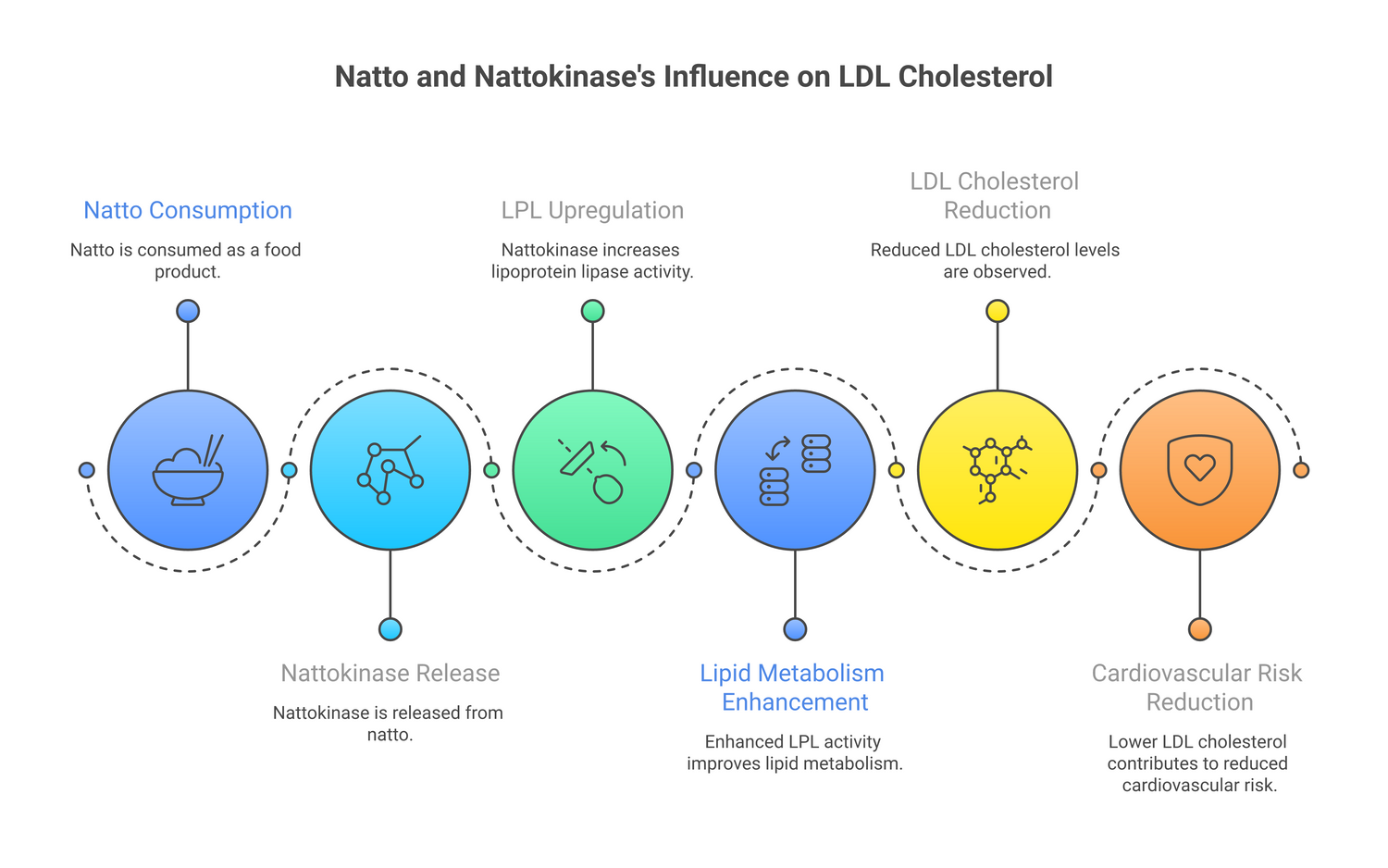
- Enhanced lipoprotein lipase activity: Nattokinase appears to upregulate lipoprotein lipase (LPL), accelerating breakdown of triglyceride-rich particles like VLDL and chylomicrons, which may help reduce blood lipid levels
- Hormone-sensitive lipase activation: Some evidence suggests nattokinase may promote triglyceride hydrolysis in adipose tissue, potentially reducing fat storage
- Partial HMG-CoA reductase inhibition: This is the same key enzyme that statins target for cholesterol synthesis inhibition; animal studies show nattokinase may downregulate its expression, though this effect is less documented in human subjects than with pharmaceutical statins
- Improved reverse cholesterol transport: By potentially enhancing HDL synthesis, nattokinase may support the movement of cholesterol from peripheral tissues back to the liver for excretion
- Enhanced fibrinolysis and blood rheology: Nattokinase potently activates tissue plasminogen activator and degrades fibrin, improving blood flow and potentially reducing atherosclerotic plaque burden indirectly
- Anti-inflammatory and antioxidant effects: Studies show nattokinase inhibits LDL oxidation and may slow atherosclerosis progress through reduced vascular inflammation
It’s worth noting that much of this mechanistic evidence comes from animal models (including cholesterol fed rats and hyperlipidemic mice), cell culture experiments, and limited human biomarker studies. Large, mechanistic trials in human subjects are still lacking.
Human evidence: natto, nattokinase, and cholesterol
Human clinical data on nattokinase and lipids are heterogeneous. Some trials demonstrate statistically significant differences in lipid improvements, while systematic reviews highlight inconsistency, particularly at lower doses or in healthy subjects.
Early small to mid-size clinical trials
Studies ranging from 8-12 weeks with fewer than 200 participants have reported:
- Daily nattokinase around 2,000-6,500 FU reducing total cholesterol, lipoprotein cholesterol ldl c, and triglycerides while raising HDL-C, particularly in patients with hyperlipidemia or metabolic dysfunction
- A 56-day clinical study documenting mean reductions of approximately 10% in total cholesterol, 12% in triglycerides, and 11% in LDL-C, with an 8% HDL-C increase (p<0.05)
- Combination protocols, such as nattokinase plus red yeast rice, providing greater reductions in carotid intima-media thickness and plaque area than either intervention alone
- Effective rates often exceeding 70-80% of participants showing clinically meaningful lipid improvements, with generally good tolerability and minimal adverse effects
Large-scale randomized controlled trials
One notable study involving over 1,000 participants (aged 63-85 with mild atherosclerosis and hyperlipidemia) tested 10,800 FU/day nattokinase for 12 months:
- Observed approximately 36% reduction in arterial plaque area via ultrasound measurement
- Reported significant lipid lowering effect: 15.9% reduction in total cholesterol (effective in 95.4% of participants), 15.3% reduction in triglycerides, and 18.1% reduction in density lipoprotein cholesterol ldl (effective in 84.3%)
- Documented a 15.8% increase in HDL-C (effective in 89.1%)
- Demonstrated dose-response relationship: lower doses like 3,600 FU failed to replicate the plaque regression seen at 10,800 FU
- Showed amplified effects in higher-risk subgroups, obese participants, cigarette smokers (37.5% plaque reduction), and those consuming more alcohol (39.1% reduction) all experienced greater benefits
Systematic review findings
A more conservative 2022 meta-analysis examining randomized controlled trials with 546-607 total participants found:
- Short-term, low-dose nattokinase (1,200-4,000 FU/day for 8-12 weeks) did not consistently lower LDL-C, total cholesterol, or triglycerides
- Some low-dose interventions actually increased LDL-C and total cholesterol while decreasing HDL-C compared to placebo
- High-dose trials trended toward better lipid outcomes, but heterogeneity across studies prevented firm conclusions
- The findings suggest that dose standardization is critical for meaningful lipid effects
Who seems to benefit most
Based on current literature, lipid improvements appear more pronounced in:
- Older adults (≥65 years) and postmenopausal women
- Patients with established atherosclerotic cardiovascular disease or carotid atherosclerotic plaques
- Overweight or insulin resistant individuals, who sometimes show 10-20% larger lipid improvements compared with normal-weight counterparts
- Those with existing cardiometabolic risk factors rather than healthy subjects with normal baseline lipids
At present, the strongest human signal is for nattokinase’s effects on blood pressure and clot-related markers. The significant lipid lowering effects remain promising but not yet definitively established or standardized across the research literature.
Beyond cholesterol: natto, nattokinase, and overall risk of cardiovascular diseases
Cardiovascular disease risk extends far beyond cholesterol numbers alone. Blood pressure, clotting tendency, vessel inflammation, glucose metabolism, and metabolic status all play crucial roles in determining heart disease outcomes, and this is precisely where nattokinase has accumulated the most consistent data.
Key cardiovascular actions supported by multiple studies:
- Potent fibrinolytic and antithrombotic activity: Nattokinase enhances tissue plasminogen activator (tPA), directly degrades fibrin, and inhibits PAI-1, functioning as an oral antithrombotic agent that helps dissolve existing clots and improve blood flow. Research using a chemically induced thrombosis model and rat femoral artery studies confirms oral nattokinase potentiates thrombolysis effectively.
- Antiplatelet and anticoagulant effects: Reduces red blood cell aggregation and whole blood viscosity similar to low-dose aspirin, with fewer reported gastrointestinal side effects in short- to mid-term controlled trials
- Antihypertensive effects: Meta-analysis data on integrated blood pressure control show average reductions of approximately 3-4 mmHg systolic blood pressure and 2 mmHg diastolic blood pressure, possibly via ACE inhibition and fibrinogen cleavage. One double blinded placebo controlled trial demonstrated blood pressure reduction of 7.39 mmHg diastolic in combination therapy.
- Anti-atherosclerotic effects: The nattokinase atherothrombotic prevention study and similar large trials document reduction in carotid intima-media thickness and plaque volume over months to a year at higher doses, suggesting nattokinase decreases plasma levels of atherogenic factors and slows progression of atherosclerotic lesions
- Neurovascular protection: Preclinical studies indicate nattokinase may protect against ischemic stroke damage and degrade amyloid fibrils, aligning with the broader heart-brain connection concept and potentially reducing cardiovascular events and myocardial infarction risk
Dietary intake of natto itself may contribute to Japan’s relatively low cardiovascular disease mortality rates through multiple pathways:
- Nattokinase content providing fibrinolytic benefits
- High vitamin K2 (menaquinone-7) levels supporting vascular calcification control
- Soy isoflavones, plant protein, and fiber improving lipid and glucose concentrations
- This multi-target approach aligns with Daiwa Health Development’s philosophy of complete cardiovascular support, combining omega-3s, antioxidant nutrients, and Japanese-derived actives rather than relying on a single mechanism for heart protection.
Nattokinase and blood pressure: What does the science say?
Blood pressure control is a cornerstone of cardiovascular disease prevention, and recent research has turned a spotlight on nattokinase as a potential natural aid for those seeking to lower blood pressure. Several studies have explored the effect of nattokinase on blood pressure in human subjects, with promising results. In a randomized controlled trial involving individuals with mild hypertension, daily supplementation with 2,000 FU of nattokinase over eight weeks led to statistically significant reductions in both systolic and diastolic blood pressure compared to placebo. These findings were echoed in another clinical study published in the Journal of Human Hypertension, which reported that nattokinase not only lowered blood pressure but also contributed to improved cardiovascular health.
The mechanisms behind these effects are still being unraveled, but researchers suggest that nattokinase may support integrated blood pressure control by enhancing blood flow, reducing atherosclerotic plaques, and positively influencing lipid metabolism. By improving the flexibility of blood vessels and reducing clot formation, nattokinase may help ease the workload on the heart and arteries, thereby supporting overall cardiovascular health.
While these results are encouraging, it’s important to note that further clinical trials are needed to confirm the optimal dosage, duration, and long-term safety of nattokinase for blood pressure management. For now, nattokinase represents a promising complementary approach for those looking to support healthy blood pressure levels as part of a broader cardiovascular wellness strategy.
Nattokinase and atherosclerosis: Can it help prevent artery plaque?
Atherosclerosis, the gradual buildup of atherosclerotic plaques within arterial walls, is a leading cause of heart disease and stroke. The search for effective prevention and treatment strategies has led researchers to investigate nattokinase’s potential in reducing the risk and progression of atherosclerotic cardiovascular disease. Preclinical studies using cholesterol fed rats have demonstrated that nattokinase supplementation can significantly decrease the size and number of atherosclerotic lesions, suggesting a protective effect against plaque formation.
These benefits appear to be linked to nattokinase’s ability to improve blood lipid profiles, specifically by lowering ldl cholesterol and increasing high density lipoprotein cholesterol. Its antithrombotic and anti-inflammatory properties may further contribute to the reduction of atherosclerotic lesions and support healthier arteries. In human subjects, a clinical study found that nattokinase supplementation led to improved blood lipid profiles and a reduction in ldl cholesterol, indicating a potential role in slowing the progression of atherosclerosis.
Despite these encouraging findings, more controlled trials and long-term studies are needed to fully establish nattokinase’s effectiveness in the prevention and treatment of atherosclerotic cardiovascular disease. As research continues, nattokinase may emerge as a valuable adjunct to conventional therapies for those at risk of heart disease, offering a natural approach to maintaining arterial health.
Nattokinase and insulin resistance: Exploring metabolic effects
Insulin resistance is a major risk factor for type 2 diabetes and is closely tied to increased cardiovascular disease risk. Recent studies have begun to explore how nattokinase might influence metabolic health, particularly through its effects on lipid metabolism and glucose metabolism. Early research in animal models of insulin resistance has shown that nattokinase supplementation can improve glucose concentrations and enhance insulin sensitivity, suggesting a potential benefit for those with or at risk for metabolic syndrome.
The proposed mechanisms include nattokinase’s ability to modulate lipid metabolism, reduce inflammation, and support healthier blood flow, all factors that can impact glucose metabolism and overall cardiometabolic risk factors. While these findings are promising, evidence from human subjects remains limited. Well-designed clinical trials are needed to determine whether nattokinase can reliably improve insulin resistance and reduce cardiovascular disease risk in people.
For now, nattokinase’s potential to support metabolic health adds another layer to its profile as a complementary agent in cardiovascular medicine. As research progresses, it may become an important tool in the prevention and management of insulin resistance and related cardiometabolic conditions.
How natto and nattokinase compare with conventional cholesterol treatments
Statins, ezetimibe, and PCSK9 inhibitors remain the gold standard for LDL-C reduction and secondary prevention in high-risk patients according to current cardiovascular medicine guidelines. However, nattokinase offers a distinct profile worth understanding.
Nattokinase vs. Statins:
Statins typically reduce LDL-C by 30-50% or more with strong outcome data on heart attack and stroke reduction
Nattokinase trials show modest, variable LDL-C changes but better tolerability and multi-target cardiovascular actions
Statins carry risks including myopathy, hepatotoxicity, and rhabdomyolysis; nattokinase demonstrates a lower side-effect profile, making it a promising alternative for statin-intolerant patients
Further clinical trials are needed to compare long-term cardiovascular event reduction
Nattokinase vs. Fibrates and niacin:
These drugs effectively target triglycerides and HDL-C but carry risks including liver effects, gallbladder issues, and glycemic disturbances
For more details, see brain health supplements. For more details, see Krill Oil's Emerging Role in Cognitive Function. For more details, see How to Improve Cardiovascular Health and. For more details, see Daiwa Brain Health®. For more details, see The Complete Guide to Cardiovascular Health and Cognitive Function. For more details, see Best Supplements for Cardiovascular and Cognitive. For more details, see Synergizing Natto with Krill Oil for Cholesterol. For more details, see heart & circulation supplements. For more details, see Inflammation Support Bundle.Nattokinase may offer milder TG and HDL-C improvements with favorable safety in short- to mid-term studies
Gene expression analysis suggests different mechanisms of action that may prove complementary
Nattokinase combined with red yeast rice:
Red yeast rice contains natural monacolin K (lovastatin-like compound) that inhibits cholesterol synthesis
A 90-day blinded placebo controlled trial with 178 coronary artery disease patients compared nattokinase alone, red yeast rice alone, their combination, and placebo
The combination achieved the strongest improvements: TG reduction of -0.39 mmol/L, total cholesterol by -0.66 mmol/L, diastolic blood pressure drop of -7.39 mmHg, and HDL-C increase of 0.195 mmol/L (all p<0.01)
No adverse effects were reported across treatment groups
Potential synergies:
Nattokinase plus statins may enhance plaque stabilization, improve blood rheology, and reduce inflammation as a cardiovascular risk marker; some data suggest nattokinase might mitigate statin-related liver stress, though confirmation requires further investigation
Nattokinase plus red yeast rice shows greater improvements in blood pressure, atherothrombotic biomarkers, and lipids than either supplement alone in clinical trial data
Critically, patients should never stop or reduce prescribed medications in favor of natto or nattokinase without explicit approval from their cardiologist or primary-care provider. These natural approaches work best as complementary and integrative health strategies alongside evidence-based conventional care.
Safety, side effects, and who should avoid nattokinase
Nattokinase from natto has been part of the Japanese diet for centuries, and supplemental nattokinase has been used in human trials for periods up to 3 years with few serious adverse events reported. The overall safety profile appears favorable, but important precautions exist.
Clinical trial observations:
Generally well tolerated at 2,000-8,000 FU/day; occasional mild gastrointestinal discomfort is the most frequent complaint
No consistent signal of liver, kidney, or muscle toxicity across current human data
Hemorrhagic complications appear rare in trials, but isolated case reports and theoretical bleeding risks warrant caution, especially at higher doses or with concurrent anticoagulant therapy
One single dose pharmacokinetic study confirmed oral administration reaches systemic circulation
Important precautions:
Bleeding risk: Nattokinase may potentiate effects of blood thinners (warfarin, DOACs, heparin), antiplatelets (aspirin, clopidogrel), and some herbal anticoagulants. Patients on these medications should use nattokinase only under medical supervision.
Surgery and dental procedures: Discontinue nattokinase at least 1-2 weeks before invasive procedures to minimize bleeding risk
Bleeding disorders: Those with hemophilia, thrombocytopenia, or history of hemorrhagic stroke should generally avoid nattokinase unless a specialist explicitly approves
Special populations:
Pregnancy and breastfeeding: Safety data are insufficient; dietary supplementation should be limited to moderate food amounts (regular natto) rather than concentrated supplements
Children: No strong pediatric data exist; nattokinase supplements are not routinely recommended for younger populations
Soy allergy: Avoid natto and soy-derived nattokinase; some supplements now use non-soy fermentation media, but this must be verified on product labels
Metabolic considerations:
Some studies observed a slight increase in fasting blood glucose with nattokinase in meta-analysis. While small, this suggests people with diabetes or insulin resistance should monitor glucose concentrations when starting nattokinase and discuss with their healthcare provider.
The findings suggest that nattokinase is safe for most adults when used appropriately, but coordination with healthcare providers remains essential, especially for those with cardiovascular disease risk, multiple medications, or upcoming major surgery.
How to incorporate natto and nattokinase into a heart-healthy lifestyle
No single food or supplement can offset an otherwise high-risk lifestyle. Natto or nattokinase should be integrated into a broader cardiovascular prevention plan that addresses multiple risk factors simultaneously.
Eating natto
Typical serving size in Japan is about 40-50 g per day, often eaten with rice, mustard, and scallions at breakfast
Start with small portions if you’re new to natto, the strong flavor and sticky texture take adjustment
Add to rice bowls, miso soup, or salads; some people mix with soy sauce and Japanese mustard to enhance palatability
Beyond nattokinase, natto provides plant protein, fiber, vitamin K2 (MK-7), and probiotics, all supporting lipid metabolism and vascular health
Nattokinase supplementation
Common supplemental range: 2,000-4,000 FU/day taken on an empty stomach for optimal absorption
Long-term plaque studies have used up to approximately 10,800 FU/day under clinical supervision
Choose products from reputable manufacturers that standardize enzyme activity, test for contaminants, and provide clear FU labeling
Consider body mass index and individual health status when determining appropriate dosing
The Daiwa Health Development approach
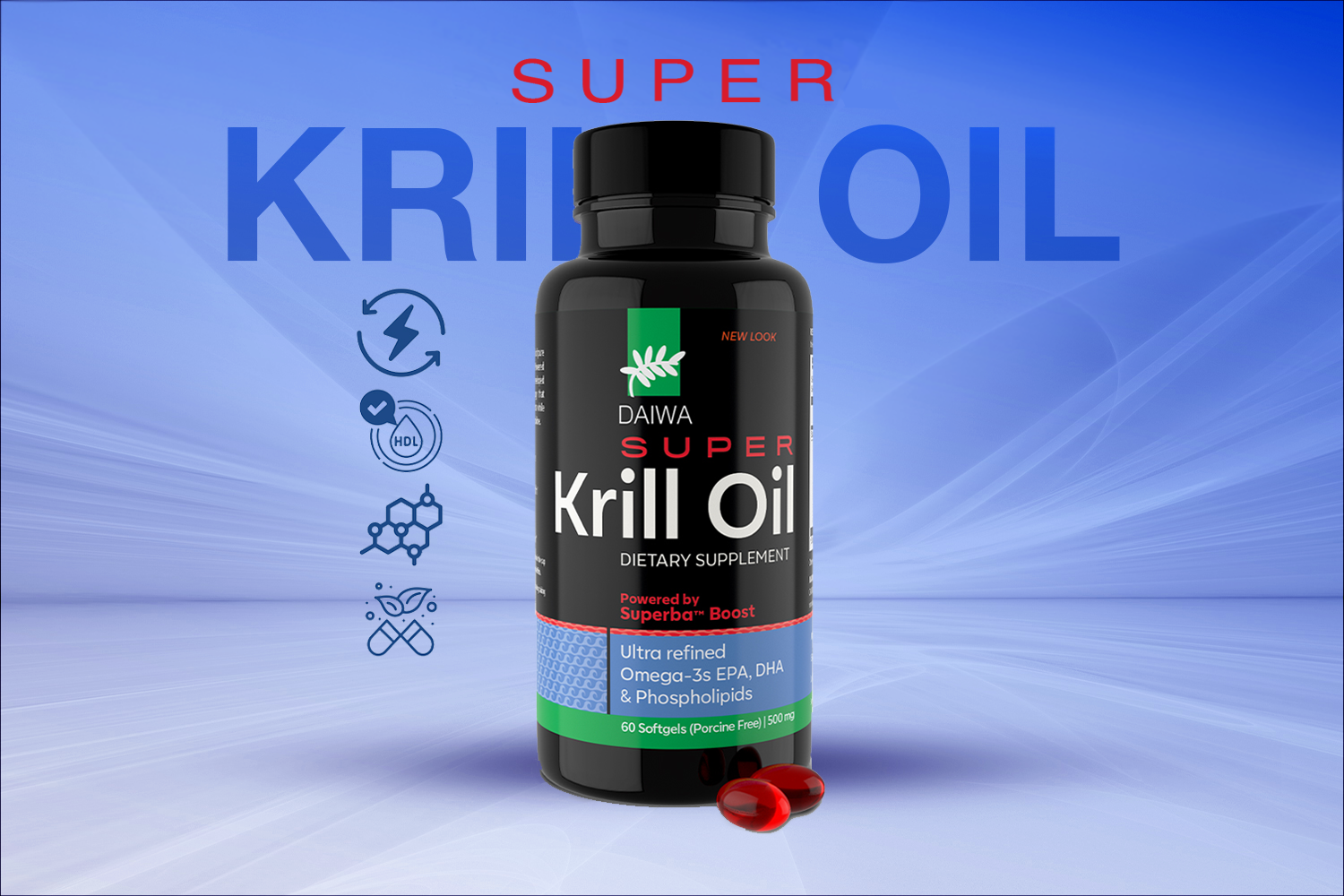
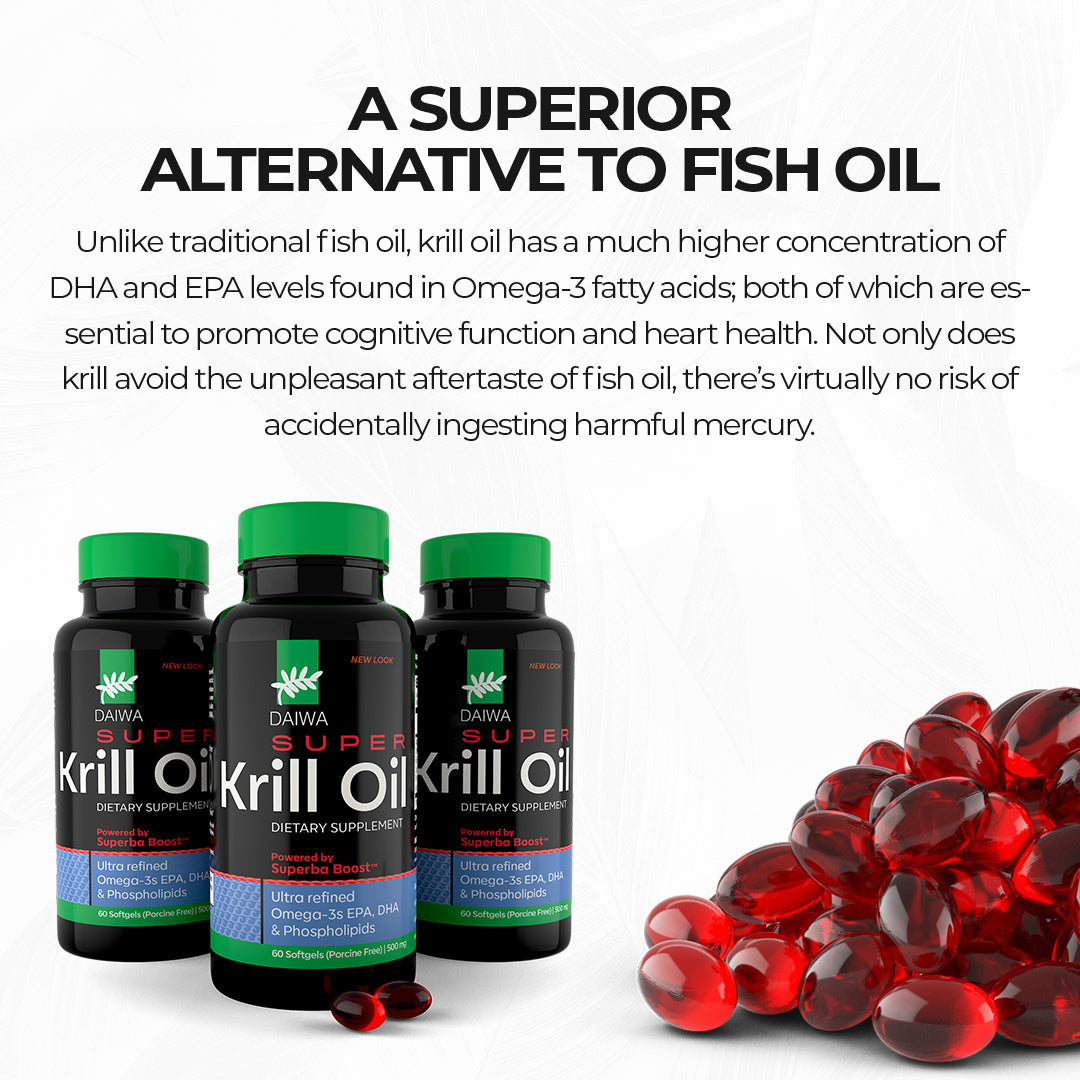
Our company takes inspiration from traditional Japanese foods like natto but uses controlled, clinically informed formulations. We combine omega-3s from sources like krill oil, antioxidant nutrients, and other functional ingredients to support complete heart and metabolic wellness, bridging fermented soybeans traditions with modern science.
We offer free shipping on orders over $50 and satisfaction guarantees, making it easier to explore Japanese-inspired approaches to cardiovascular health.
Heart-health checklist complementing natto/nattokinase
Follow a Mediterranean or Japanese-style eating pattern rich in vegetables, legumes, whole grains, and seafood
Engage in regular physical activity (≥150 minutes/week of moderate-intensity exercise)
Avoid smoking and moderate alcohol intake
Maintain healthy sleep patterns (7-9 hours nightly) and stress management routines
Keep blood glucose and blood pressure under control through lifestyle and medical management
Re-test your lipid panel, blood pressure, and inflammatory markers 8-12 weeks after major lifestyle or supplement changes to objectively assess cardiovascular disease risk improvement
Limitations of current research and future directions
While evidence is promising, natto and nattokinase’s cholesterol-lowering role is not as deeply characterized as that of statins or other pharmaceuticals approved for treatment of cardiovascular diseases.
Core limitations:
Many human trials are small, single-center studies with heterogeneous participants and inconsistent dosing (1,200-10,800 FU/day)
Variability in nattokinase source, purity, and formulation makes results difficult to compare across studies
Short follow-up durations (often 8-12 weeks) limit insights into long-term plaque stability and cardiovascular events reduction
Specific knowledge gaps:
Incomplete understanding of oral absorption, bioavailability, and pharmacokinetics; inconsistent data on how much active enzyme reaches systemic circulation
Limited high-quality dose-response trials directly comparing low vs. High nattokinase activity for lipid endpoints
Sparse data on interactions with modern cardiometabolic drug regimens (PCSK9 inhibitors, SGLT2 inhibitors, GLP-1 agonists)
Insufficient research using modern vivo evaluation method techniques to track real-time effects
Priorities for future research:
Large, multi-center randomized trials (≥1,000 participants) with standardized FU dosing, at least 1-3 years follow-up, and clinical endpoints (MI, stroke, revascularization)
Mechanistic studies combining lipidomics, proteomics, and imaging (carotid ultrasound, coronary CT) to map how nattokinase alters plaque composition and stabilizes atherosclerotic plaques
Precision-medicine approaches identifying genotypes or metabolic profiles that predict better response to nattokinase
Head-to-head comparisons with established lipid-lowering therapies to establish nattokinase’s role in lower blood pressure and lipid management
Daiwa Health Development follows these research developments closely, basing product innovation on peer-reviewed evidence and aiming to integrate Japanese functional foods with modern clinical standards.
Bottom line: Is natto or nattokinase right for your cholesterol?
Natto and nattokinase show encouraging but not yet definitive evidence for improving cholesterol profiles. The stronger and more consistent data support blood pressure reduction, clot-related marker improvements, and overall vascular health rather than lipid changes alone.
Benefits appear most likely at adequately standardized doses (typically 6,500-10,800 FU/day), over several months of consistent use, and in people with existing cardiometabolic risk factors rather than perfectly healthy individuals with normal baseline lipids.
Natto is a nutrient-dense traditional Japanese fermented food worth considering as part of a heart-healthy dietary pattern. Nattokinase supplements should be chosen carefully, look for standardized FU labeling and reputable manufacturers, and coordinated with a healthcare provider, especially for those using blood thinners or multiple cardiovascular medications.
★★★★★ Trusted by thousands of customers
Interested in Science-Backed Cardiovascular Support?
Plasmanex1® uses a patented Japanese extraction process you won't find in standard nattokinase supplements. Published research demonstrates its role in supporting healthy blood flow and fibrin metabolism.
Shop Plasmanex1®Free shipping on orders over $50 · 30-day guarantee
Action-oriented takeaways:
Consider natto or nattokinase as one component of a complete cardiovascular wellness strategy, not a standalone solution
If supplementing, start with clinically studied doses (2,000-4,000 FU/day minimum) and allow 8-12 weeks before assessing lipid panel changes
Discuss with your healthcare provider before starting, particularly if you take anticoagulants, have bleeding disorders, or face surgery
Combine with proven lifestyle modifications: Mediterranean or Japanese dietary patterns, regular exercise, smoking cessation, and stress management
Track objective markers (lipid panel, blood pressure, inflammatory markers) to evaluate your individual response
From Daiwa Health Development’s perspective, natto-inspired ingredients represent one valuable piece of a broader lifestyle and supplement strategy, grounded in both traditional Japanese wisdom and modern clinical science. True cardiovascular health emerges from multiple synergistic approaches working together.




Leave a comment
All comments are moderated before being published.
This site is protected by hCaptcha and the hCaptcha Privacy Policy and Terms of Service apply.