
Quick Answer: What are the best supplements for heart and brain health in 2026?
The best supplements for cardiovascular and cognitive health in 2026 are those with strong scientific evidence supporting dual-system benefits. Top recommendations include: 1) Omega-3 fatty acids (EPA/DHA) from krill oil or high-quality fish oil, extensive research shows benefits for both heart and brain, with krill oil offering superior bioavailability and brain delivery; 2) Nattokinase from Plasmanex1 - supports cardiovascular health through improved blood flow and blood pressure, indirectly benefiting cognitive function; 3) Coenzyme Q10 (CoQ10) - supports mitochondrial function in both heart and brain cells; 4) Magnesium - essential for cardiovascular function and cognitive health; 5) B-vitamins (B6, B9, B12), support homocysteine metabolism and cognitive function. Research from the American Heart Association and National Institutes of Health consistently supports omega-3s as the foundation for both systems. For optimal results, combine supplements with healthy diet, regular exercise, and lifestyle modifications.
Introduction: Navigating the Supplement Landscape
The supplement market is vast and often confusing, with thousands of products claiming to support heart and brain health. This complete guide cuts through the noise to identify the best supplements for cardiovascular and cognitive health in 2026, based on scientific evidence, clinical research, and practical considerations.
Our ranking methodology considers:
- Scientific evidence: Peer-reviewed research and clinical trials
- Dual-system benefits: Supplements that support both heart and brain
- Safety profile: Well-tolerated with minimal side effects
- Bioavailability: How effectively the body absorbs and utilizes nutrients
- Cost-effectiveness: Value relative to benefits
- Practical considerations: Ease of use, availability, quality
Ranking Methodology
How We Evaluated Supplements
Evidence Quality (40% of score):
- Meta-analyses and systematic reviews
- Randomized controlled trials
- Observational studies with large sample sizes
- Mechanistic research
Dual-System Benefits (30% of score):
- Direct benefits for cardiovascular health
- Direct or indirect benefits for cognitive function
- Synergistic effects on both systems
Safety and Tolerability (20% of score):
- Side effect profile
- Drug interaction potential
- Long-term safety data
- Quality and purity standards
Practical Considerations (10% of score):
- Cost-effectiveness
- Availability
- Ease of use
- Quality control
Top 10 Supplements for Heart and Brain Health 2026
#1: Omega-3 Fatty Acids (EPA/DHA), Krill Oil or Fish Oil
Evidence Score: 95/100
Dual-System Score: 100/100
Overall Rank: #1
Why It's #1:
Omega-3 fatty acids are the most well-researched supplements for both cardiovascular and cognitive health, with hundreds of clinical trials and meta-analyses supporting their benefits.
Cardiovascular Benefits:
- Reduces triglycerides by 15-30%
- Supports healthy blood pressure (2-4 mmHg reduction)
- Reduces cardiovascular events by 10-15% in high-risk individuals
- Anti-inflammatory effects reduce chronic inflammation
- May stabilize atherosclerotic plaques
Cognitive Benefits:
- DHA constitutes 20% of brain fat content
- Supports neuronal membrane structure and function
- Reduces neuroinflammation and oxidative stress
- Improves cerebral blood flow
- Associated with 18% lower risk of cognitive decline and dementia
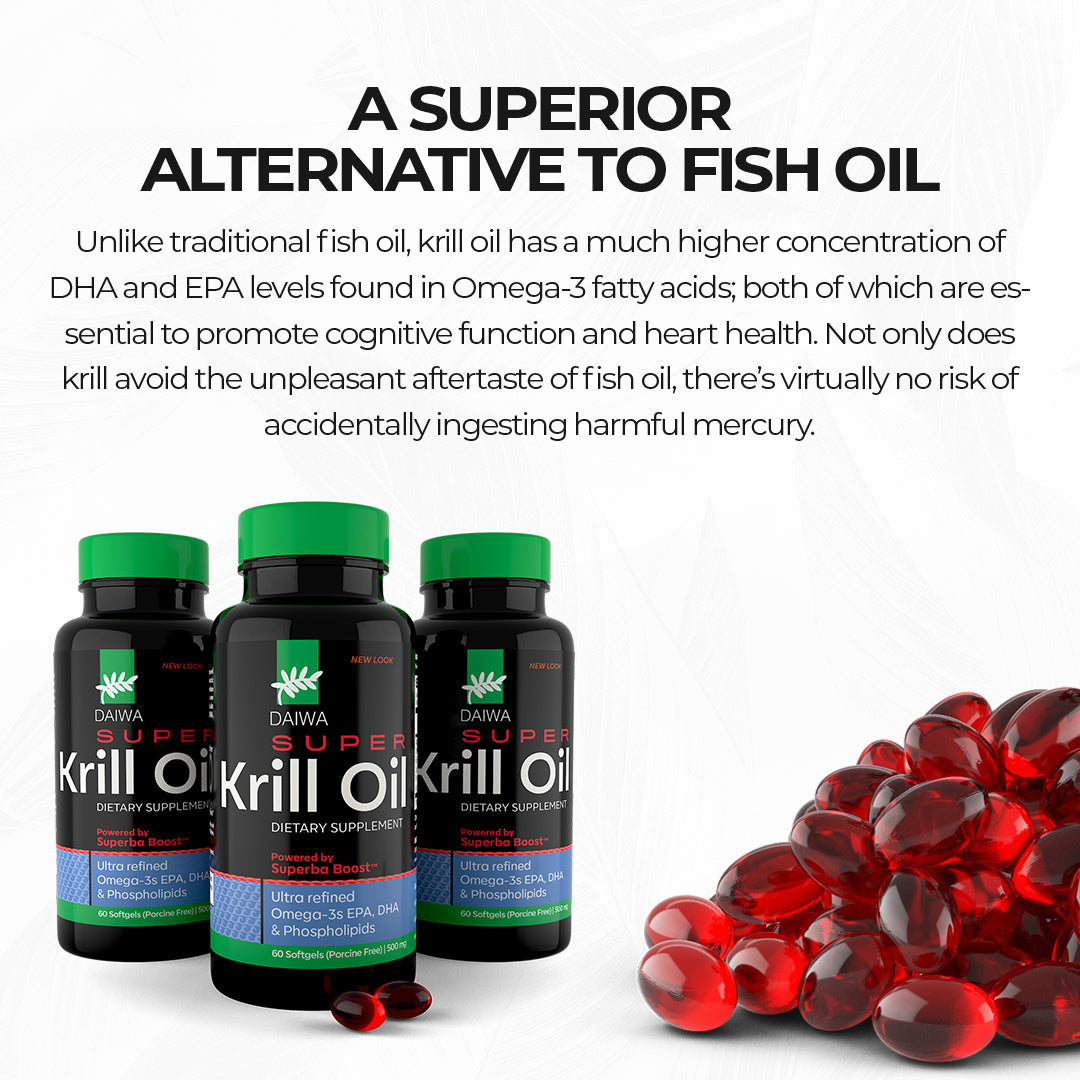
Krill Oil vs Fish Oil:
Krill oil offers significant advantages:
- Superior bioavailability: 40-60% better absorption than fish oil
- Better brain delivery: Phospholipid-bound DHA is preferred form for brain uptake
- Natural antioxidants: Astaxanthin provides additional neuroprotection
- Better tolerability: Fewer digestive issues than fish oil
Recommended Dosage:
- General health: 250-500 mg EPA+DHA daily
- Cardiovascular support: 1-2 grams EPA+DHA daily
- Cognitive support: 1-2 grams EPA+DHA daily
- Krill oil equivalent: 1-2 grams krill oil daily (due to superior bioavailability)
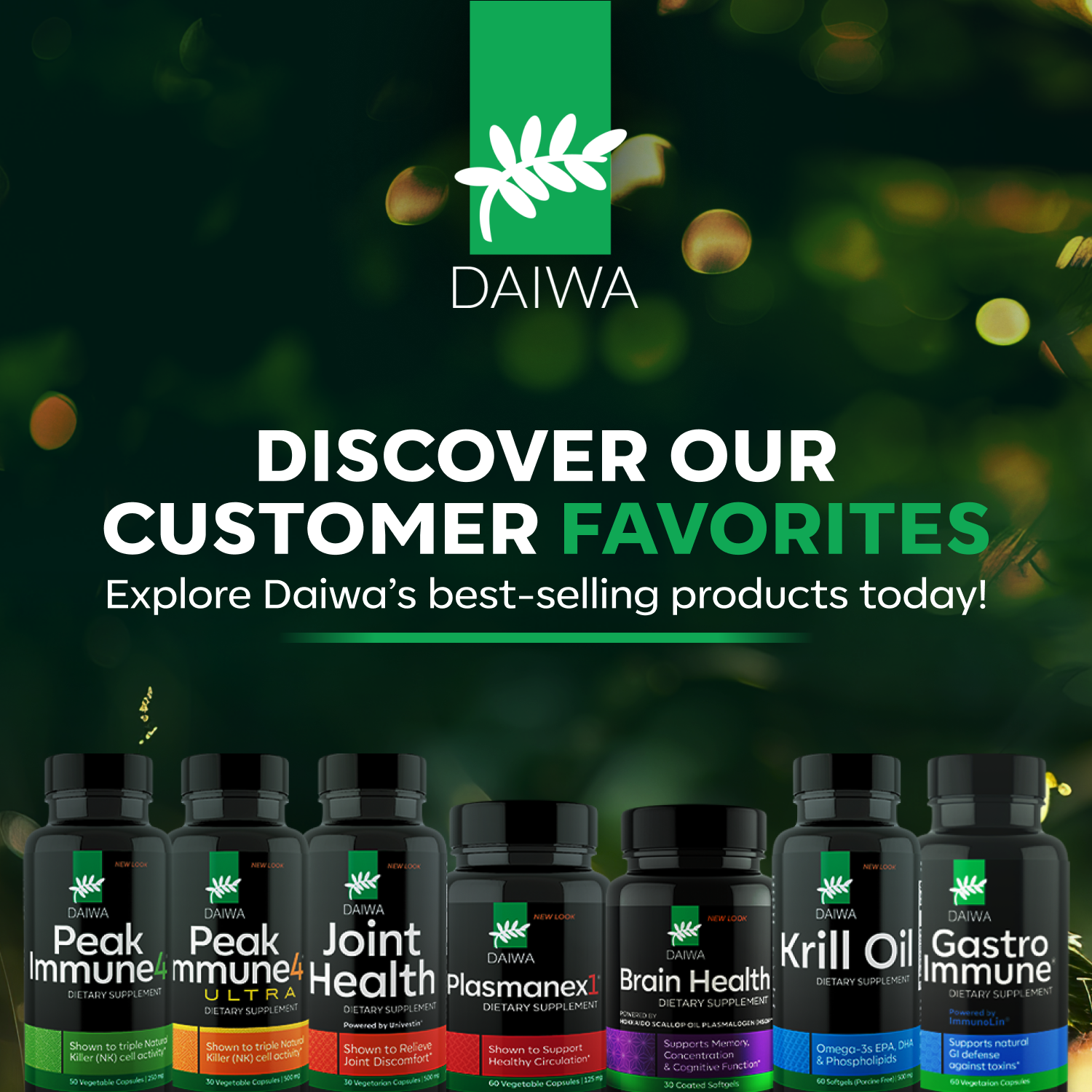
Product Recommendation: Daiwa Krill Oil - Premium Antarctic krill oil with phospholipid-bound omega-3s and natural astaxanthin
Research Evidence:
- American Heart Association Scientific Statement - Extensive cardiovascular research
- Krill Oil Bioavailability Study - Superior absorption demonstrated
- NIH Research - Cognitive and cardiovascular benefits
#2: Nattokinase (Fibrinolytic Enzyme)
Evidence Score: 75/100
Dual-System Score: 70/100
Overall Rank: #2
Why It's #2:
Nattokinase provides unique cardiovascular benefits that indirectly support cognitive health through improved blood flow and reduced cardiovascular risk factors.
Cardiovascular Benefits:
- Fibrinolytic activity: Directly dissolves fibrin, improving blood flow
- Blood pressure support: Reduces systolic by 3-7 mmHg, diastolic by 2-5 mmHg
- Plaque reduction: High-dose studies show up to 36% reduction in carotid artery plaque
- Clot prevention: Reduces risk of thrombosis and stroke
- Anti-inflammatory effects: May reduce vascular inflammation
Cognitive Benefits (Indirect):
- Improved cerebral blood flow: Better circulation benefits brain function
- Stroke prevention: Reduces risk of stroke, a major cause of cognitive impairment
- Vascular health: Healthy blood vessels support cognitive function
Recommended Dosage:
- General support: 2,000-4,000 FU/day
- Blood pressure support: 4,000-6,500 FU/day
- Plaque reduction: Up to 10,800 FU/day (under medical supervision)
Product Recommendation: Plasmanex1 - Standardized nattokinase supplement
Safety Considerations:
- Consult healthcare provider if taking blood-thinning medications
- Discontinue 1-2 weeks before surgery
- Generally well-tolerated with few side effects
Research Evidence:
- Multiple randomized controlled trials
- Systematic reviews show blood pressure benefits
- Large-scale plaque reduction studies
#3: Coenzyme Q10 (CoQ10)
Evidence Score: 80/100
Dual-System Score: 75/100
Overall Rank: #3
Why It's #3:
CoQ10 is essential for mitochondrial function in both heart and brain cells, making it crucial for energy production in both systems.
Cardiovascular Benefits:
- Heart muscle function: Essential for cardiac energy production
- Blood pressure support: May reduce systolic blood pressure
- Statin support: Helps offset CoQ10 depletion from statin medications
- Antioxidant protection: Protects cardiovascular cells from oxidative damage
Cognitive Benefits:
- Brain energy production: Supports mitochondrial function in neurons
- Neuroprotection: Reduces oxidative stress in brain cells
- Cognitive performance: Some studies suggest benefits for cognitive function
- Age-related decline: May slow age-related cognitive changes
Recommended Dosage:
- General support: 100-200 mg daily
- Statin users: 200-300 mg daily
- Targeted support: Up to 400 mg daily (consult healthcare provider)
Forms:
- Ubiquinone: Standard form, less bioavailable
- Ubiquinol: Reduced, more bioavailable form (preferred)
Research Evidence:
- Extensive research on cardiovascular benefits
- Growing evidence for cognitive benefits
- Well-established safety profile
#4: Magnesium
Evidence Score: 85/100
Dual-System Score: 70/100
Overall Rank: #4
Why It's #4:
Magnesium is essential for hundreds of biochemical processes in the body, including those critical for both cardiovascular and cognitive function.
Cardiovascular Benefits:
- Blood pressure regulation: Essential for vascular function
- Heart rhythm: Supports normal heart rhythm
- Muscle function: Critical for heart muscle contraction
- Inflammation: May reduce inflammatory markers
Cognitive Benefits:
- Neurotransmitter function: Essential for brain signaling
- Neuroprotection: Protects against excitotoxicity
- Sleep quality: Supports quality sleep, essential for cognitive function
- Stress response: Modulates stress hormones
Recommended Dosage:
- General support: 300-400 mg daily (elemental magnesium)
- Forms: Magnesium citrate, glycinate, or malate (better absorbed than oxide)
Food Sources:
For more details, see Krill Oil vs Fish Oil for Heart and Brain Health. For more details, see How to Improve Cardiovascular Health and. For more details, see
- Leafy greens, nuts, seeds, whole grains, legumes
- Many people don't get enough from diet alone
Research Evidence:
- Strong evidence for cardiovascular benefits
- Growing research on cognitive benefits
- Essential mineral with well-established safety
#5: B-Vitamins (B6, B9/Folate, B12)
Evidence Score: 75/100
Dual-System Score: 70/100
Overall Rank: #5
Why It's #5:
B-vitamins play crucial roles in homocysteine metabolism, cardiovascular health, and cognitive function, making them important for both systems.
Cardiovascular Benefits:
- Homocysteine reduction: Lower homocysteine levels reduce cardiovascular risk
- Vascular health: Support healthy blood vessel function
- Red blood cell formation: Essential for oxygen transport
Cognitive Benefits:
- Homocysteine and dementia: High homocysteine increases dementia risk
- Neurotransmitter synthesis: Essential for brain signaling
- Cognitive performance: Some studies show benefits for memory and processing speed
- Brain aging: May slow age-related cognitive decline
Recommended Dosage:
- B6: 1.3-1.7 mg daily (higher doses may be needed)
- Folate (B9): 400-800 mcg daily (folic acid or methylfolate)
- B12: 2.4-100 mcg daily (higher doses for deficiency)
Important Considerations:
- Methylated forms: May be more effective for some individuals
- B12 absorption: Older adults may need higher doses or sublingual forms
- Homocysteine testing: Can help determine if B-vitamin supplementation is needed
Research Evidence:
- Strong evidence for homocysteine reduction
- Mixed evidence for direct cognitive benefits
- Important for overall health and function
#6: Vitamin D
Evidence Score: 70/100
Dual-System Score: 65/100
Overall Rank: #6
Why It's #6:
Vitamin D receptors are found throughout the body, including in cardiovascular and brain tissue, suggesting important roles in both systems.
Cardiovascular Benefits:
- Blood pressure: Some studies suggest blood pressure benefits
- Vascular function: May support healthy blood vessel function
- Inflammation: May reduce inflammatory markers
- Heart health: Some research links vitamin D to cardiovascular outcomes
Cognitive Benefits:
- Brain receptors: Vitamin D receptors found throughout brain
- Neuroprotection: May protect against cognitive decline
- Mood: Supports mental health, which affects cognitive function
- Research: Growing but mixed evidence for cognitive benefits
Recommended Dosage:
- General support: 1,000-2,000 IU daily
- Deficiency: Higher doses (4,000-5,000 IU) may be needed (under medical supervision)
- Testing: Blood test (25-hydroxyvitamin D) can determine optimal dosage
Important Considerations:
- Sun exposure: 15-20 minutes daily can provide vitamin D
- Supplementation: Often needed, especially in winter or with limited sun exposure
- Fat-soluble: Take with meals containing fat for optimal absorption
Research Evidence:
- Strong evidence for bone health
- Growing evidence for cardiovascular and cognitive benefits
- Deficiency is common and should be addressed
#7: Resveratrol
Evidence Score: 65/100
Dual-System Score: 60/100
Overall Rank: #7
Why It's #7:
Resveratrol, found in red wine and grapes, has shown promise in research for both cardiovascular and cognitive health, though human evidence is still developing.
Cardiovascular Benefits:
- Antioxidant effects: Powerful antioxidant protection
- Blood vessel function: May improve endothelial function
- Inflammation: Anti-inflammatory properties
- Research: Promising but mixed human trial results
Cognitive Benefits:
- Neuroprotection: Protects brain cells from oxidative damage
- Cognitive performance: Some studies suggest benefits
- Brain aging: May slow age-related cognitive decline
- Research: Preclinical evidence strong, human trials mixed
Recommended Dosage:
- General support: 100-250 mg daily
- Targeted support: Up to 500 mg daily (consult healthcare provider)
Food Sources:
- Red wine (moderate consumption)
- Grapes, berries, peanuts
- Supplements provide higher, more consistent doses
Research Evidence:
- Strong preclinical evidence
- Mixed human trial results
- More research needed for definitive conclusions
#8: Curcumin (Turmeric)
Evidence Score: 70/100
Dual-System Score: 65/100
Overall Rank: #8
Why It's #8:
Curcumin, the active compound in turmeric, has potent anti-inflammatory and antioxidant properties that benefit both cardiovascular and cognitive systems.
Cardiovascular Benefits:
- Anti-inflammatory: Reduces chronic inflammation
- Endothelial function: May improve blood vessel function
- Cholesterol: Some studies suggest modest cholesterol benefits
- Antioxidant: Protects cardiovascular cells
Cognitive Benefits:
- Neuroinflammation: Reduces brain inflammation
- Neuroprotection: Protects against oxidative stress
- Cognitive performance: Some studies suggest benefits
- Brain aging: May slow age-related cognitive decline
Recommended Dosage:
- General support: 500-1,000 mg curcumin daily
- Enhanced absorption: Look for formulations with piperine or liposomal delivery
- Targeted support: Up to 2,000 mg daily (consult healthcare provider)
Important Considerations:
- Bioavailability: Curcumin is poorly absorbed, choose enhanced formulations
- Piperine: Black pepper extract enhances absorption
- Liposomal: Advanced delivery systems improve bioavailability
Research Evidence:
- Strong anti-inflammatory evidence
- Growing research on cardiovascular and cognitive benefits
- Bioavailability is key consideration
#9: Alpha-Lipoic Acid (ALA)
Evidence Score: 65/100
Dual-System Score: 60/100
Overall Rank: #9
Why It's #9:
Alpha-lipoic acid is a powerful antioxidant that can cross the blood-brain barrier, providing protection for both cardiovascular and cognitive systems.
Cardiovascular Benefits:
- Antioxidant: Powerful free radical scavenger
- Blood sugar: May improve insulin sensitivity
- Endothelial function: May support blood vessel health
- Research: Promising but limited large-scale trials
Cognitive Benefits:
- Brain antioxidant: Crosses blood-brain barrier
- Neuroprotection: Protects brain cells from oxidative damage
- Cognitive performance: Some studies suggest benefits
- Research: Growing but still developing
Recommended Dosage:
- General support: 300-600 mg daily
- Targeted support: Up to 1,200 mg daily (consult healthcare provider)
Important Considerations:
- R-form vs. S-form: R-form may be more effective
- Timing: Can be taken with or without food
- Interactions: May interact with certain medications
Research Evidence:
- Strong antioxidant evidence
- Growing research on health benefits
- More large-scale trials needed
#10: Green Tea Extract (EGCG)
Evidence Score: 60/100
Dual-System Score: 55/100
Overall Rank: #10
Why It's #10:
Green tea extract, particularly EGCG (epigallocatechin gallate), provides antioxidant and anti-inflammatory benefits that support both systems.
Cardiovascular Benefits:
- Antioxidant: Rich in catechins and polyphenols
- Cholesterol: Some studies suggest modest cholesterol benefits
- Blood pressure: May support healthy blood pressure
- Research: Observational studies strong, clinical trials mixed
Cognitive Benefits:
- Neuroprotection: Antioxidant protection for brain cells
- Cognitive performance: Some studies suggest benefits
- Brain aging: May slow age-related cognitive decline
- Research: Growing but still developing
Recommended Dosage:
- General support: 300-400 mg EGCG daily
- Green tea: 3-4 cups daily provides similar benefits
- Caffeine consideration: Decaffeinated options available
Important Considerations:
- Caffeine content: Standard extracts contain caffeine
- Liver health: Very high doses may affect liver function
- Quality: Choose standardized extracts with verified EGCG content
Research Evidence:
- Strong observational evidence
- Mixed clinical trial results
- Generally safe with moderate consumption
Japanese Cardiovascular Science, Concentrated
Japan leads the world in cardiovascular longevity, and Plasmanex1® captures a key reason why. This patented formula isolates bacillopeptidase F from traditional natto, a specific enzyme fraction clinically shown to support healthy fibrin metabolism and blood flow.
Learn MoreCombination Strategies: Synergistic Supplement Stacks
Foundation Stack (Essential)
For General Heart and Brain Health:
- Krill Oil: 1-2 grams daily (omega-3s)
- Magnesium: 300-400 mg daily
- Vitamin D: 1,000-2,000 IU daily (if deficient)
Why This Stack:
- Addresses fundamental nutritional needs
- Supports both cardiovascular and cognitive systems
- Well-researched and safe
- Cost-effective foundation
Enhanced Stack (Complete)
For Targeted Heart and Brain Support:
- Krill Oil: 1-2 grams daily
- Nattokinase: 2,000-4,000 FU/day
- CoQ10: 200-300 mg daily
- Magnesium: 300-400 mg daily
- B-Complex: As directed (B6, B9, B12)
- Vitamin D: 1,000-2,000 IU daily
Why This Stack:
- Complete coverage of key nutrients
- Addresses multiple pathways (inflammation, blood flow, energy production)
- Synergistic benefits between supplements
- Targets both cardiovascular and cognitive health
Advanced Stack (Maximum Support)
For Individuals with Specific Health Goals:
- Krill Oil: 2 grams daily
- Nattokinase: 4,000-6,500 FU/day
- Brain Health Supplement: As directed
- CoQ10: 300-400 mg daily
- Magnesium: 400 mg daily
- B-Complex: Higher potency formulation
- Curcumin: 1,000 mg daily (enhanced absorption)
- Vitamin D: 2,000-4,000 IU daily (if deficient)
Important Considerations:
- Consult healthcare provider: Before starting advanced stack
- Cost: More expensive but complete
- Monitoring: Regular health checkups recommended
- Individualization: Adjust based on specific needs and goals
Quality Considerations: How to Choose High-Quality Supplements
What to Look For
Third-Party Testing:
- USP Verified: United States Pharmacopeia verification
- NSF Certified: National Sanitation Foundation certification
- ConsumerLab: Independent testing and verification
- Lab testing: Manufacturer provides third-party test results
Purity and Potency:
- Label accuracy: Actual content matches label claims
- Contaminant testing: Free from heavy metals, pesticides, microbes
- Freshness: No rancidity (especially important for omega-3s)
- Stability: Proper packaging and storage
Manufacturing Standards:
- GMP certified: Good Manufacturing Practices
- FDA registered: Facility registered with FDA
- Transparency: Company provides manufacturing information
- Reputation: Established company with good track record
Red Flags to Avoid
- Unrealistic claims: "Cure" or "miracle" language
- No third-party testing: Can't verify quality or purity
- Extremely low prices: May indicate poor quality
- Missing information: No company information or contact details
- No expiration dates: Indicates poor quality control
Cost-Effectiveness Analysis
Value Rankings (Benefits per Dollar)
Highest Value:
- Magnesium: Low cost, essential mineral, multiple benefits
- B-Vitamins: Affordable, essential nutrients
- Fish Oil: Lower cost than krill oil, proven benefits
Good Value:
- Krill Oil: Higher cost but superior bioavailability may justify premium
- Vitamin D: Low cost, important for overall health
- CoQ10: Moderate cost, important for energy production
Premium Options:
- Nattokinase: Moderate cost, unique cardiovascular benefits
- Curcumin: Moderate cost, enhanced formulations more expensive
- Resveratrol: Higher cost, research still developing
- Alpha-Lipoic Acid: Moderate to high cost depending on form
Budget-Friendly Approach
Essential Only ($30-50/month):
- Krill oil or fish oil
- Magnesium
- Vitamin D (if deficient)
Balanced Approach ($50-100/month):
- Krill oil
- Nattokinase
- Magnesium
- B-complex
- Vitamin D
Complete Approach ($100-200/month):
- Full enhanced stack
- Higher quality formulations
- Multiple targeted supplements
Safety Considerations and Contraindications
General Safety Guidelines
Consult Healthcare Provider Before Starting If:
- Taking prescription medications (especially blood thinners, blood pressure medications)
- Have existing health conditions
- Pregnant or breastfeeding
- Planning surgery
- Taking multiple supplements
Specific Supplement Considerations
Omega-3s (Krill Oil/Fish Oil):
- Mild blood-thinning effects
- May interact with anticoagulants
- Generally safe at recommended doses
Nattokinase:
- Fibrinolytic activity (blood-thinning)
- Discontinue before surgery
- Consult healthcare provider if on blood thinners
CoQ10:
- Generally very safe
- May interact with blood-thinning medications
- Well-tolerated with few side effects
Magnesium:
- High doses may cause digestive upset
- Start with lower doses and increase gradually
- Some forms better tolerated than others
B-Vitamins:
- Generally safe, water-soluble (excess excreted)
- Very high B6 doses may cause nerve issues
- B12 is very safe even at high doses
★★★★★ Trusted by thousands of customers
Interested in Science-Backed Cardiovascular Support?
Plasmanex1® uses a patented Japanese extraction process you won't find in standard nattokinase supplements. Published research demonstrates its role in supporting healthy blood flow and fibrin metabolism.
Shop Plasmanex1®Free shipping on orders over $50 · 30-day guarantee
Conclusion: Making Informed Supplement Choices
Choosing the best supplements for cardiovascular and cognitive health requires balancing scientific evidence, individual needs, budget, and safety considerations. The supplements ranked in this guide represent the best-researched options for supporting both heart and brain health in 2026.
Key Takeaways:
- Omega-3s are foundational: Krill oil or high-quality fish oil should be the cornerstone of any heart-brain health supplement regimen
- Targeted support matters: Nattokinase provides unique cardiovascular benefits that support cognitive health
- Quality is crucial: Choose supplements from reputable manufacturers with third-party testing
- Individualization is key: Work with healthcare providers to determine optimal supplement choices and dosages
- Supplements complement lifestyle: They work best when combined with healthy diet, exercise, and lifestyle modifications
Our Top Recommendation:
For optimal heart and brain health, we recommend starting with Daiwa Krill Oil as your foundation supplement, due to its superior bioavailability, better brain delivery, and natural antioxidant protection. Consider adding Plasmanex1 for additional cardiovascular support, and work with your healthcare provider to determine if additional supplements are appropriate for your specific needs and goals.
Remember: Supplements are tools to support health, not replacements for healthy lifestyle choices. The most effective approach combines high-quality supplements with a nutritious diet, regular exercise, quality sleep, and stress management.
Related Resources
- Cardiovascular Health & Cognitive Function Guide - Complete hub page
- Krill Oil vs Fish Oil Comparison - Detailed comparison
- Omega-3 Dosage Guide - Dosing protocols
- Daiwa Krill Oil - Premium omega-3 supplement
- Plasmanex1 - Nattokinase supplement
- Brain Health - Cognitive support supplement
References & Scientific Sources
- American Heart Association: Omega-3 Scientific Statement
- NIH Omega-3 Research
- FDA Dietary Supplement Information
- Krill Oil Bioavailability Research



Leave a comment
All comments are moderated before being published.
This site is protected by hCaptcha and the hCaptcha Privacy Policy and Terms of Service apply.