

Last Updated: January 23, 2026
Author: Daiwa Health Development Research Team
Category: Cardiovascular Health, Cognitive Function, Heart-Brain Connection
Related Products: Daiwa Krill Oil, Plasmanex1®, Brain Health
Quick Answer: What is the connection between heart health and brain health?
The connection between cardiovascular health and cognitive function is profound and bidirectional. Your heart and brain are intimately linked through blood flow, shared risk factors, and common protective mechanisms. When your cardiovascular system is healthy, with optimal blood pressure, cholesterol levels, and blood vessel function, your brain receives the oxygen and nutrients it needs to function at peak performance. Conversely, cardiovascular problems like high blood pressure, atherosclerosis, and poor circulation directly impair cognitive function by reducing blood flow to the brain, causing inflammation, and increasing the risk of vascular dementia. Research from the American Heart Association shows that maintaining cardiovascular health through diet, exercise, and targeted supplementation (like omega-3 fatty acids from krill oil and fibrinolytic enzymes like nattokinase) can reduce the risk of cognitive decline by up to 60%. The same lifestyle and nutritional strategies that protect your heart, including omega-3 fatty acids, antioxidants, and anti-inflammatory compounds, also protect your brain, making a complete approach to both systems essential for long-term health and cognitive vitality.

Introduction: Understanding the Heart-Brain Connection
The human body operates as an interconnected system, and nowhere is this more evident than in the relationship between cardiovascular health and cognitive function. For decades, medical research has revealed that what's good for your heart is also good for your brain, and vice versa. This connection isn't merely coincidental; it's rooted in fundamental biological processes that link these two critical systems.
At Daiwa Health Development, we've dedicated our research to understanding how nutritional interventions can simultaneously support both cardiovascular and cognitive health. Our products, including Daiwa Krill Oil, Plasmanex1®, and Brain Health supplements, are specifically formulated to address this heart-brain connection through evidence-based ingredients that support both systems.
This complete guide will explore the science behind the heart-brain connection, identify shared risk factors, and provide actionable strategies, from nutrition to lifestyle to targeted supplementation, that can protect both your cardiovascular system and cognitive function for years to come.
Section 1: The Science Behind the Heart-Brain Connection
How does cardiovascular health affect cognitive function?
Cardiovascular health directly impacts cognitive function through multiple interconnected pathways. The brain, despite representing only 2% of body weight, consumes approximately 20% of the body's total oxygen and glucose supply. This high metabolic demand makes the brain exquisitely sensitive to changes in blood flow, oxygen delivery, and nutrient availability, all of which depend on a healthy cardiovascular system.
Blood Flow and Brain Oxygenation:
The brain receives its blood supply through a network of arteries that branch from the heart. When cardiovascular health is compromised, whether through atherosclerosis (hardening of the arteries), high blood pressure, or reduced cardiac output, blood flow to the brain decreases. This reduction in cerebral blood flow directly impairs cognitive function by:
- Reducing oxygen delivery: Brain cells require constant oxygen to produce energy. Even brief reductions in oxygen can impair neuronal function and, if prolonged, cause cell death.
- Limiting nutrient transport: Glucose, amino acids, vitamins, and other essential nutrients reach the brain via the bloodstream. Reduced blood flow means fewer nutrients reach brain cells.
- Impairing waste removal: The brain's waste clearance system (glymphatic system) depends on blood flow to remove metabolic byproducts and toxic proteins like beta-amyloid, which accumulate in Alzheimer's disease.
Research from the National Institutes of Health has shown that individuals with optimal cardiovascular health have 40-60% better cognitive function in later life compared to those with cardiovascular risk factors.
Inflammation's Dual Role:
Chronic inflammation is a key driver of both cardiovascular disease and cognitive decline. When the cardiovascular system is inflamed, often due to poor diet, lack of exercise, or underlying health conditions, inflammatory molecules circulate throughout the body, including to the brain. These inflammatory compounds can:
- Activate microglia: The brain's immune cells become overactive, releasing pro-inflammatory cytokines that damage neurons and synapses.
- Disrupt the blood-brain barrier: Chronic inflammation can compromise the protective barrier between blood and brain tissue, allowing harmful substances to enter the brain.
- Promote atherosclerosis: Inflammation contributes to plaque buildup in arteries, further reducing blood flow to the brain.
Studies published in peer-reviewed journals demonstrate that anti-inflammatory interventions, including omega-3 fatty acids from krill oil and fibrinolytic enzymes like nattokinase - can simultaneously reduce cardiovascular inflammation and protect cognitive function.
Vascular Dementia and Cognitive Impairment:
Vascular dementia, the second most common form of dementia after Alzheimer's disease, is directly caused by cardiovascular problems. When blood vessels in the brain become damaged or blocked, due to high blood pressure, atherosclerosis, or stroke, brain tissue is deprived of oxygen and nutrients, leading to cognitive decline. Unlike Alzheimer's, which progresses gradually, vascular dementia often occurs in steps following cardiovascular events.
The Alzheimer's Association estimates that vascular dementia accounts for 10-20% of all dementia cases, and many individuals have mixed dementia (both Alzheimer's and vascular components).
What role do omega-3 fatty acids play in heart and brain health?
Omega-3 fatty acids, particularly eicosapentaenoic acid (EPA) and docosahexaenoic acid (DHA), are among the most well-researched nutrients for supporting both cardiovascular and cognitive health. These essential fatty acids cannot be produced by the body and must be obtained through diet or supplementation.
Cardiovascular Benefits of Omega-3s:
Omega-3 fatty acids support heart health through multiple mechanisms:
- Triglyceride reduction: EPA and DHA significantly lower blood triglyceride levels, a major cardiovascular risk factor. Clinical trials show reductions of 15-30% with omega-3 supplementation.
- Blood pressure management: Omega-3s help maintain healthy blood pressure by improving blood vessel elasticity and reducing inflammation.
- Anti-inflammatory effects: EPA and DHA are converted into specialized pro-resolving mediators (SPMs) that actively resolve inflammation, reducing the chronic low-grade inflammation that drives cardiovascular disease.
- Plaque stabilization: Omega-3s help stabilize atherosclerotic plaques, reducing the risk of plaque rupture and subsequent heart attack or stroke.
Cognitive Benefits of Omega-3s:
The brain is remarkably rich in DHA, which constitutes approximately 20% of the brain's total fat content. This high concentration reflects DHA's critical role in:
- Neuronal membrane structure: DHA is a key component of neuronal cell membranes, maintaining membrane fluidity essential for efficient neurotransmission.
- Synaptic function: DHA supports synaptic plasticity, the brain's ability to form new connections and adapt, which is fundamental to learning and memory.
- Neuroprotection: Omega-3s reduce neuroinflammation and oxidative stress, protecting brain cells from age-related damage.
- Cerebral blood flow: Omega-3s improve blood vessel function in the brain.
Krill Oil: Superior Bioavailability for Heart and Brain:
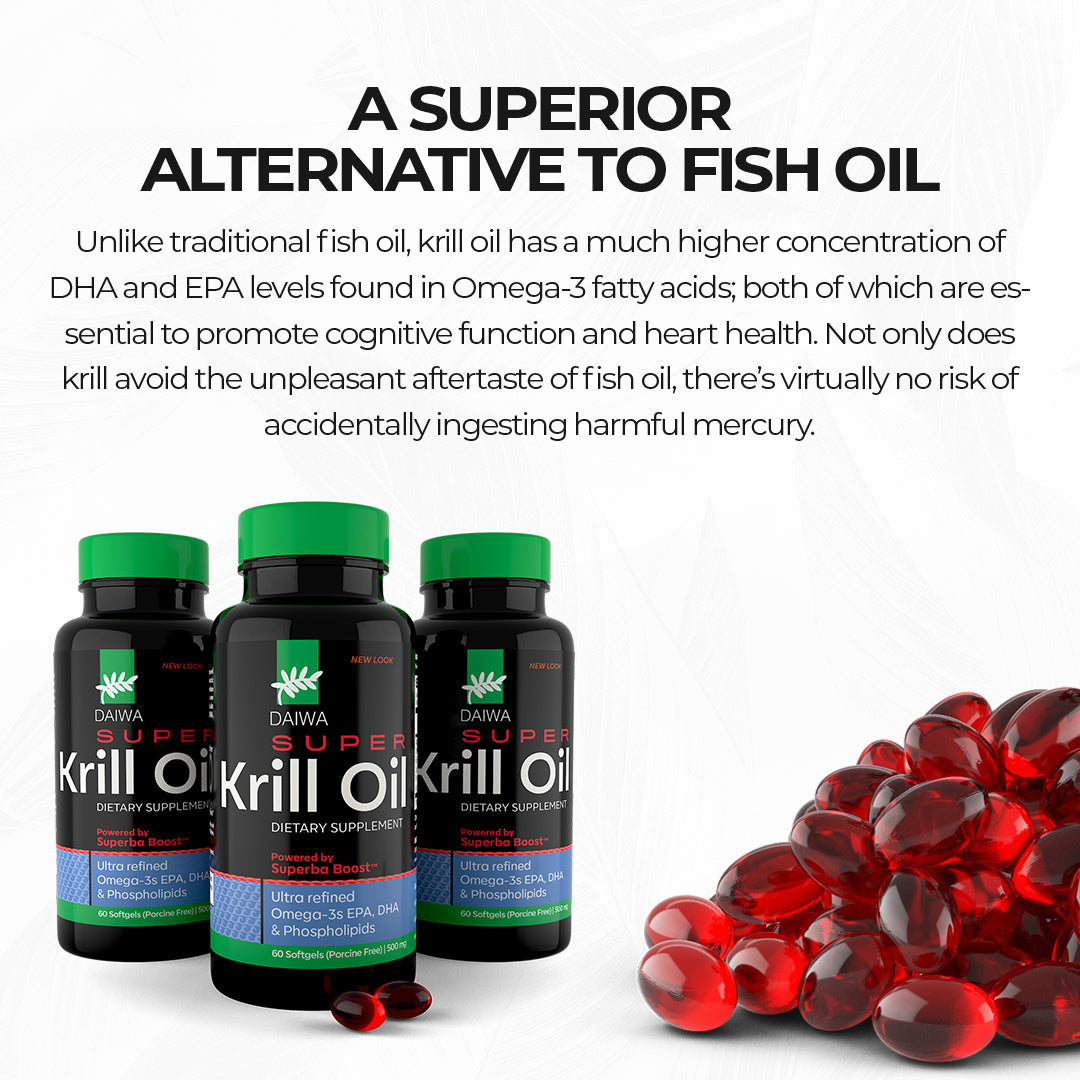
Krill oil delivers omega-3s in a unique phospholipid-bound form that offers superior bioavailability compared to traditional fish oil. This structural difference means:
- Enhanced absorption: Phospholipid-bound omega-3s are more efficiently absorbed into the bloodstream, with studies showing 40-60% better uptake than triglyceride forms.
- Better brain delivery: DHA attached to phosphatidylcholine (the form in krill oil) is the preferred form for brain uptake, crossing the blood-brain barrier more effectively.
- Natural antioxidant protection: Krill oil contains astaxanthin, a powerful antioxidant that protects both the omega-3s and your cells from oxidative damage.
Research published in Lipids in Health and Disease demonstrates that krill oil supplementation raises blood omega-3 levels more effectively than equivalent doses of fish oil, making it an optimal choice for supporting both cardiovascular and cognitive health.
How does blood pressure affect cognitive function?
High blood pressure (hypertension) is one of the most significant modifiable risk factors for both cardiovascular disease and cognitive decline. When blood pressure is elevated, the force of blood against artery walls increases, causing damage to blood vessels throughout the body, including those in the brain.
Mechanisms of Blood Pressure Impact on Cognition:
- Cerebral small vessel disease: High blood pressure damages small blood vessels in the brain, leading to reduced blood flow and oxygen delivery to brain tissue. This can cause "silent" strokes, small areas of brain damage that accumulate over time and impair cognitive function.
- White matter lesions: Hypertension is associated with white matter hyperintensities (WMH), areas of damaged brain tissue visible on MRI scans. These lesions disrupt communication between brain regions, impairing executive function, processing speed, and memory.
- Blood-brain barrier dysfunction: Chronic high blood pressure can compromise the blood-brain barrier, allowing harmful substances to enter the brain and increasing inflammation.
- Reduced cerebral blood flow: Hypertension can reduce overall cerebral blood flow, particularly in critical regions like the hippocampus (essential for memory) and prefrontal cortex (essential for executive function).
The Good News: Blood Pressure Control Protects Cognition:
The American Heart Association emphasizes that controlling blood pressure is one of the most effective strategies for preserving cognitive function. Studies show that:
- Individuals who maintain optimal blood pressure (systolic <120 mmHg) have 19% lower risk of developing mild cognitive impairment.
- Blood pressure control reduces the risk of dementia by up to 13%.
- Even modest reductions in blood pressure (5-10 mmHg) can significantly improve cognitive outcomes.
Natural Approaches to Blood Pressure Management:
While medications are essential for many individuals, lifestyle and nutritional interventions can support healthy blood pressure:
- Omega-3 fatty acids: Krill oil supplementation has been shown to reduce systolic blood pressure by 3-4 mmHg and diastolic by 2 mmHg in meta-analyses.
- Fibrinolytic enzymes: Nattokinase from natto has demonstrated blood pressure-lowering effects in clinical trials, with some studies showing reductions of 7-10 mmHg in diastolic pressure.
- Mediterranean diet: Rich in omega-3s, antioxidants, and anti-inflammatory compounds, the Mediterranean dietary pattern is associated with lower blood pressure and better cognitive outcomes.
- Regular exercise: Aerobic exercise improves blood vessel function and can reduce blood pressure by 5-8 mmHg.
Section 2: Risk Factors That Affect Both Systems
What cardiovascular risk factors also impact cognitive function?
Multiple cardiovascular risk factors simultaneously increase the risk of cognitive decline, creating a compounding effect that makes complete risk management essential. Understanding these shared risk factors is the first step toward protecting both systems.
High Blood Pressure (Hypertension):
As discussed above, high blood pressure is a primary risk factor for both cardiovascular disease and cognitive decline. The Centers for Disease Control reports that nearly half of American adults have hypertension, making it one of the most prevalent modifiable risk factors.
High Cholesterol (Hyperlipidemia):
Elevated cholesterol levels, particularly high LDL ("bad") cholesterol and low HDL ("good") cholesterol, contribute to atherosclerosis, the buildup of plaque in arteries. When this occurs in cerebral arteries, it reduces blood flow to the brain and increases the risk of stroke and vascular dementia.
Research shows that:
- High total cholesterol in midlife is associated with 50% increased risk of Alzheimer's disease later in life.
- Statin medications, which lower cholesterol, may also reduce dementia risk by 15-20%.
- Dietary interventions that improve cholesterol profiles (like omega-3 supplementation with krill oil) also support cognitive health.
Diabetes and Metabolic Syndrome:
Type 2 diabetes and metabolic syndrome (a cluster of conditions including high blood sugar, high blood pressure, excess abdominal fat, and abnormal cholesterol) significantly increase the risk of both cardiovascular disease and cognitive decline. The mechanisms include:
- Insulin resistance: The brain requires insulin for glucose metabolism. When cells become resistant to insulin, brain cells receive less energy, impairing cognitive function.
- Advanced glycation end products (AGEs): High blood sugar leads to the formation of AGEs, which damage blood vessels and brain tissue.
- Inflammation: Diabetes and metabolic syndrome are characterized by chronic inflammation, which damages both cardiovascular and cognitive systems.
Studies from the National Institutes of Health show that individuals with diabetes have 60-70% higher risk of developing dementia compared to those without diabetes.
Obesity:
Excess body weight, particularly abdominal obesity, is associated with increased risk of cardiovascular disease and cognitive decline. Obesity contributes to:
- Inflammation: Adipose tissue (fat) produces inflammatory molecules that circulate throughout the body.
- Insulin resistance: Excess weight promotes insulin resistance, affecting both cardiovascular and cognitive health.
- Sleep apnea: Obesity increases the risk of sleep apnea, which reduces oxygen delivery to the brain during sleep.
Smoking:
Tobacco use is a major risk factor for both cardiovascular disease and cognitive decline. Smoking damages blood vessels, reduces oxygen delivery, and increases inflammation throughout the body, including the brain.
For more details, see Common Mistakes with Cardiovascular and Cognitive. For more details, see daiwa health development best sellers. For more details, see Synergizing Natto with Krill Oil for Cholesterol. For more details, see How to Improve Cardiovascular Health and. For more details, see Omega-3 Dosage for Cardiovascular and Cognitive Health. For more details, see brain health supplements. For more details, see Best Supplements for Cardiovascular and Cognitive. For more details, see heart & circulation supplements. For more details, see Inflammation Support Bundle.Physical Inactivity:
Lack of regular exercise is associated with poor cardiovascular health and accelerated cognitive decline. Exercise improves blood flow, reduces inflammation, and promotes the growth of new brain cells (neurogenesis).
Section 3: Nutritional Strategies for Dual Protection
What foods support both heart and brain health?
A heart-healthy diet is inherently brain-healthy, as both systems benefit from the same nutritional principles: anti-inflammatory compounds, antioxidants, healthy fats, and nutrient density. The following dietary patterns and specific foods provide complete protection for both cardiovascular and cognitive systems.
Mediterranean Diet:
The Mediterranean dietary pattern, extensively researched for its cardiovascular and cognitive benefits, emphasizes:
- Fatty fish: Rich in omega-3 fatty acids (EPA and DHA), fatty fish like salmon, sardines, and mackerel support both heart and brain health. For those who don't consume fish regularly, krill oil supplementation provides concentrated omega-3s in a highly bioavailable form.
- Olive oil: Rich in monounsaturated fats and antioxidants, olive oil supports cardiovascular health and may protect against cognitive decline.
- Nuts and seeds: Provide healthy fats, vitamin E, and other antioxidants that protect both systems.
- Leafy greens: Rich in folate, vitamin K, and antioxidants, leafy greens support vascular health and cognitive function.
- Berries: High in flavonoids and antioxidants, berries have been shown to improve both cardiovascular markers and cognitive performance.
Research from the New England Journal of Medicine demonstrates that adherence to a Mediterranean diet reduces cardiovascular events by 30% and is associated with 40% lower risk of cognitive impairment.
Japanese Dietary Patterns:
Traditional Japanese cuisine, which includes fermented foods like natto, provides unique cardiovascular and cognitive benefits:
- Natto: This fermented soybean dish contains nattokinase, a powerful fibrinolytic enzyme that supports cardiovascular health by improving blood flow and reducing clot formation. Plasmanex1® provides standardized nattokinase in supplement form.
- Green tea: Rich in catechins and antioxidants, green tea supports cardiovascular health and may protect against cognitive decline.
- Seaweed: Provides omega-3 fatty acids, minerals, and antioxidants.
- Fish: Regular fish consumption, a cornerstone of Japanese cuisine, provides omega-3 fatty acids essential for both heart and brain health.
Omega-3 Rich Foods and Supplements:
Omega-3 fatty acids are essential for both cardiovascular and cognitive health. While fatty fish are the primary dietary source, krill oil supplementation offers several advantages:
- Superior bioavailability: Phospholipid-bound omega-3s in krill oil are more efficiently absorbed than triglyceride forms in fish oil.
- Natural antioxidant protection: Krill oil contains astaxanthin, which protects omega-3s from oxidation and provides additional neuroprotective benefits.
- Convenience: Consistent daily dosing ensures adequate omega-3 intake regardless of dietary fish consumption.
Antioxidant-Rich Foods:
Antioxidants protect both cardiovascular and cognitive systems by neutralizing free radicals and reducing oxidative stress:
- Berries: Blueberries, strawberries, and other berries are rich in anthocyanins and flavonoids.
- Dark chocolate: Contains flavanols that support blood vessel function and cognitive health (choose 70%+ cocoa).
- Green leafy vegetables: Spinach, kale, and other greens provide vitamins C and E, beta-carotene, and other antioxidants.
- Nuts: Almonds, walnuts, and other nuts provide vitamin E and healthy fats.
Section 4: Lifestyle Interventions for Heart and Brain Health
How does exercise benefit both cardiovascular and cognitive health?
Regular physical activity is one of the most powerful interventions for protecting both cardiovascular and cognitive health. Exercise provides benefits through multiple interconnected mechanisms that simultaneously support heart and brain function.
Cardiovascular Benefits of Exercise:
- Improved heart function: Regular aerobic exercise strengthens the heart muscle, improving cardiac output and efficiency.
- Blood pressure reduction: Exercise helps maintain healthy blood pressure by improving blood vessel elasticity and reducing arterial stiffness.
- Cholesterol management: Physical activity raises HDL ("good") cholesterol and can lower LDL ("bad") cholesterol and triglycerides.
- Reduced inflammation: Regular exercise has anti-inflammatory effects, reducing chronic low-grade inflammation that drives cardiovascular disease.
Cognitive Benefits of Exercise:
Exercise provides profound cognitive benefits through multiple pathways:
- Increased cerebral blood flow: Physical activity increases blood flow to the brain, delivering more oxygen and nutrients to brain cells.
- Neurogenesis: Exercise promotes the growth of new brain cells, particularly in the hippocampus (critical for memory).
- BDNF production: Exercise increases brain-derived neurotrophic factor (BDNF), a protein that supports neuronal survival and synaptic plasticity.
- Reduced inflammation: Exercise reduces neuroinflammation, protecting brain cells from damage.
- Improved sleep: Regular exercise improves sleep quality, which is essential for cognitive function and memory consolidation.
Recommended Exercise Guidelines:
The American Heart Association recommends:
- Aerobic exercise: At least 150 minutes of moderate-intensity or 75 minutes of vigorous-intensity aerobic activity per week.
- Strength training: Muscle-strengthening activities at least 2 days per week.
- Combination approach: A mix of aerobic and strength training provides optimal benefits for both cardiovascular and cognitive health.
Exercise and Supplementation Synergy:
Combining regular exercise with targeted supplementation can amplify benefits:
- Omega-3s: Krill oil supplementation enhances the cardiovascular and cognitive benefits of exercise by reducing inflammation and supporting brain function.
- Recovery support: Omega-3s may reduce exercise-induced inflammation and support recovery, allowing for more consistent training.
What role does sleep play in heart and brain health?
Sleep is essential for both cardiovascular and cognitive health, yet many adults don't get adequate quality sleep. Understanding the connection between sleep and these systems is crucial for complete health protection.
Sleep and Cardiovascular Health:
- Blood pressure regulation: During deep sleep, blood pressure naturally decreases, giving the cardiovascular system a rest. Chronic sleep deprivation prevents this nightly "reset," contributing to hypertension.
- Heart rate variability: Quality sleep supports healthy heart rate variability, an indicator of cardiovascular health.
- Inflammation reduction: Deep sleep reduces inflammation, while sleep deprivation increases inflammatory markers.
- Metabolic health: Poor sleep disrupts glucose metabolism and insulin sensitivity, contributing to metabolic syndrome and cardiovascular risk.
Sleep and Cognitive Function:
Sleep is critical for cognitive function through multiple mechanisms:
- Memory consolidation: During sleep, particularly REM and deep sleep stages, the brain consolidates memories, transferring information from short-term to long-term storage.
- Glymphatic system activation: The brain's waste clearance system is most active during sleep, removing toxic proteins like beta-amyloid that accumulate in Alzheimer's disease.
- Synaptic plasticity: Sleep supports synaptic plasticity, the brain's ability to form new connections and adapt.
- Cognitive restoration: Quality sleep restores cognitive function, improving attention, decision-making, and problem-solving abilities.
Sleep Recommendations:
The National Sleep Foundation recommends:
- Adults (18-64): 7-9 hours per night
- Older adults (65+): 7-8 hours per night
- Quality matters: Consistent sleep schedule, dark room, and avoiding screens before bed improve sleep quality.
Nutritional Support for Sleep:
Certain nutrients and supplements can support quality sleep:
- Omega-3 fatty acids: Krill oil may support sleep quality by reducing inflammation and supporting brain function.
- Magnesium: Supports relaxation and sleep quality.
- Melatonin: Natural sleep hormone that can be supplemented if needed.
Section 5: Supplement Strategies for Dual Protection
How can krill oil support both heart and brain health?
Krill oil is uniquely positioned to support both cardiovascular and cognitive health due to its superior bioavailability, phospholipid-bound omega-3 structure, and natural antioxidant content. Unlike traditional fish oil, krill oil delivers omega-3 fatty acids in a form that's more efficiently absorbed and utilized by both the cardiovascular system and the brain.
Cardiovascular Benefits of Krill Oil:
- Triglyceride reduction: Clinical studies show that krill oil supplementation can reduce triglycerides by 10-15%, a significant cardiovascular benefit.
- HDL cholesterol support: Krill oil may help maintain healthy HDL ("good") cholesterol levels.
- Blood pressure management: The omega-3s in krill oil support healthy blood pressure through improved blood vessel function.
- Anti-inflammatory effects: EPA and DHA in krill oil are converted into specialized pro-resolving mediators that actively resolve inflammation, reducing the chronic inflammation that drives cardiovascular disease.
Cognitive Benefits of Krill Oil:
- Enhanced brain delivery: The phospholipid-bound structure of krill oil's omega-3s facilitates more efficient transport across the blood-brain barrier, delivering more DHA directly to brain cells where it's needed.
- Neuroprotection: DHA in krill oil supports neuronal membrane structure and function, essential for cognitive performance.
- Antioxidant protection: Astaxanthin in krill oil provides direct neuroprotective benefits by reducing oxidative stress in the brain.
- Cognitive performance: Studies suggest that krill oil supplementation may improve cognitive processing speed and brain activation in older adults.
Research published in Lipids in Health and Disease demonstrates that krill oil raises blood omega-3 levels more effectively than equivalent doses of fish oil, making it an optimal choice for supporting both systems.
Recommended Dosage:
For complete heart and brain support, consider:
- General health: 500-1000 mg krill oil daily (providing 100-300 mg EPA+DHA)
- Targeted support: 2 grams krill oil daily (as used in cognitive health studies)
- Consult healthcare provider: Especially if taking blood-thinning medications
How does nattokinase support cardiovascular and cognitive health?
Nattokinase, a fibrinolytic enzyme derived from the traditional Japanese fermented food natto, provides unique cardiovascular benefits that indirectly support cognitive health by improving blood flow and reducing cardiovascular risk factors.
Cardiovascular Benefits of Nattokinase:
- Fibrinolytic activity: Nattokinase directly dissolves fibrin, the protein that forms blood clots, improving blood flow and reducing the risk of thrombosis.
- Blood pressure support: Clinical studies show that nattokinase supplementation can reduce systolic blood pressure by 3-7 mmHg and diastolic by 2-5 mmHg.
- Plaque reduction: Higher-dose nattokinase (10,800 FU/day) has been shown to reduce carotid artery plaque by up to 36% over 12 months in clinical trials.
- Cholesterol management: Some studies suggest nattokinase may modestly improve cholesterol profiles, particularly at higher doses.
Cognitive Benefits Through Cardiovascular Support:
While nattokinase doesn't directly cross the blood-brain barrier, it supports cognitive health by:
- Improving cerebral blood flow: By reducing blood clots and improving overall circulation, nattokinase ensures adequate blood flow to the brain.
- Reducing stroke risk: By preventing blood clots and improving cardiovascular health, nattokinase reduces the risk of stroke, a major cause of cognitive impairment.
- Supporting vascular health: Healthy blood vessels throughout the body, including those in the brain, are essential for cognitive function.
Recommended Dosage:
- General cardiovascular support: 2,000-4,000 FU/day
- Targeted plaque reduction: Up to 10,800 FU/day (under medical supervision)
- Safety considerations: Consult healthcare provider if taking blood-thinning medications
What combination of supplements provides optimal heart and brain protection?
A strategic combination of supplements can provide complete protection for both cardiovascular and cognitive systems. The key is selecting supplements that work synergistically and address multiple risk factors simultaneously.
Core Supplement Stack:
1. Krill Oil (Omega-3s): Daiwa Krill Oil
- Provides EPA and DHA for both heart and brain
- Phospholipid-bound for superior bioavailability
- Natural astaxanthin for antioxidant protection
- Dosage: 1-2 grams daily
2. Nattokinase (Fibrinolytic Support): Plasmanex1®
- Improves blood flow and reduces clot risk
- Supports healthy blood pressure
- May reduce arterial plaque
- Dosage: 2,000-4,000 FU/day
3. Brain Health Support: Daiwa Brain Health
- Provides plasmalogens and other neuroprotective compounds
- Supports cognitive function and memory
- Complements omega-3 benefits
Synergistic Benefits:
- Omega-3s + Nattokinase: Omega-3s reduce inflammation and improve blood vessel function, while nattokinase improves blood flow and reduces clot risk. Together, they provide complete cardiovascular and cognitive protection.
- Antioxidant support: Astaxanthin in krill oil provides antioxidant protection for both the cardiovascular system and the brain.
- Multi-target approach: This combination addresses inflammation, blood flow, blood pressure, and cognitive function simultaneously.
Important Considerations:
- Consult healthcare provider: Especially if taking medications, particularly blood thinners
- Quality matters: Choose supplements from reputable manufacturers with third-party testing
- Consistency is key: Supplements work best when taken consistently over time
- Lifestyle foundation: Supplements complement but don't replace healthy diet, exercise, and sleep
Japanese Cardiovascular Science, Concentrated
Japan leads the world in cardiovascular longevity, and Plasmanex1® captures a key reason why. This patented formula isolates bacillopeptidase F from traditional natto, a specific enzyme fraction clinically shown to support healthy fibrin metabolism and blood flow.
Learn MoreSection 6: Research and Evidence
What does the research say about omega-3s for heart and brain health?
Extensive research supports the use of omega-3 fatty acids for both cardiovascular and cognitive health. Hundreds of clinical trials and meta-analyses have examined the effects of EPA and DHA on various health outcomes.
Cardiovascular Research:
- Meta-analysis of 40+ trials: Published in the American Heart Association's Circulation journal, this analysis found that omega-3 supplementation reduces cardiovascular events by 10-15% in high-risk individuals.
- REDUCE-IT trial: This large clinical trial showed that high-dose EPA (4 grams/day) reduced cardiovascular events by 25% in patients with elevated triglycerides.
- Triglyceride reduction: Multiple studies demonstrate 15-30% reductions in triglycerides with omega-3 supplementation.
- Blood pressure: Meta-analyses show modest but significant reductions in blood pressure (2-4 mmHg systolic, 1-2 mmHg diastolic) with omega-3 supplementation.
Cognitive Research:
- Framingham Heart Study: This long-term study found that higher blood levels of DHA are associated with larger brain volumes and better cognitive performance in older adults.
- Meta-analysis of observational studies: Published in Aging Clinical and Experimental Research, this analysis found that higher fish consumption (rich in omega-3s) is associated with 18% lower risk of cognitive decline and dementia.
- Krill oil cognitive studies: A 2013 randomized controlled trial in Japan found that krill oil supplementation improved cognitive processing speed and brain activation in healthy elderly men.
Key Research Findings:
- Omega-3s are most effective when started early and taken consistently over time
- Higher doses (1-2 grams EPA+DHA daily) may be needed for cognitive benefits
- Krill oil's superior bioavailability may provide advantages over fish oil
- Benefits are most pronounced in individuals with low baseline omega-3 levels
What does the research say about nattokinase for cardiovascular health?
Nattokinase research, while less extensive than omega-3 research, shows promising results for cardiovascular health, particularly for blood pressure management and fibrinolytic activity.
Clinical Trial Evidence:
- Blood pressure studies: Multiple randomized controlled trials show that nattokinase supplementation (2,000-10,800 FU/day) can reduce systolic blood pressure by 3-7 mmHg and diastolic by 2-5 mmHg.
- Plaque reduction study: A large 12-month trial with over 1,000 participants found that high-dose nattokinase (10,800 FU/day) reduced carotid artery plaque by 36% and improved cholesterol profiles.
- Fibrinolytic activity: Laboratory and clinical studies confirm nattokinase's ability to dissolve fibrin and improve blood flow.
Systematic Reviews:
- A 2022 meta-analysis found mixed results for cholesterol effects, with stronger evidence for blood pressure benefits
- Higher doses (6,500-10,800 FU/day) show more consistent benefits than lower doses
- Safety profile is generally favorable, with few reported side effects
Research Gaps:
- More long-term studies are needed to confirm cardiovascular event reduction
- Optimal dosing strategies are still being refined
- More research needed on cognitive benefits through cardiovascular improvements
Section 7: Practical Implementation Guide
30-Day Action Plan for Heart and Brain Health
This complete 30-day plan provides a structured approach to improving both cardiovascular and cognitive health through nutrition, lifestyle, and targeted supplementation.
Week 1: Foundation Building
Days 1-3: Assessment
- Schedule health checkup with healthcare provider
- Get baseline measurements: blood pressure, cholesterol, blood sugar
- Assess current diet and exercise habits
- Identify specific goals for heart and brain health
Days 4-7: Dietary Modifications
- Increase omega-3 intake: Add fatty fish 2-3 times per week or begin krill oil supplementation (1-2 grams daily)
- Add more fruits and vegetables: Aim for 5-7 servings daily
- Reduce processed foods: Limit packaged foods and added sugars
- Increase water intake: Aim for 8-10 glasses daily
Week 2: Exercise and Movement
Days 8-14: Establish Exercise Routine
- Begin with 20-30 minutes of moderate aerobic exercise 3-4 times per week
- Add 2 days of strength training (15-20 minutes)
- Focus on consistency over intensity
- Track progress and adjust as needed
Week 3: Supplement Optimization
Days 15-21: Add Targeted Supplements
- Continue krill oil (1-2 grams daily)
- Consider adding nattokinase (2,000-4,000 FU/day) for cardiovascular support
- Consult healthcare provider before adding new supplements
- Monitor for any side effects or interactions
Week 4: Lifestyle Integration
Days 22-28: Optimize Sleep and Stress
- Establish consistent sleep schedule (7-9 hours nightly)
- Create bedtime routine to improve sleep quality
- Practice stress management techniques (meditation, deep breathing, yoga)
- Maintain exercise and dietary habits from previous weeks
Days 29-30: Review and Plan
- Assess progress: How do you feel? Any improvements in energy, focus, or physical performance?
- Review goals and adjust plan as needed
- Schedule follow-up with healthcare provider if needed
- Plan for long-term maintenance
Long-Term Maintenance:
- Continue dietary modifications and exercise routine
- Maintain consistent supplement regimen
- Regular health checkups (every 3-6 months)
- Adjust plan based on progress and changing needs
Supplement Dosing Recommendations
Krill Oil (Omega-3s):
- General health maintenance: 500-1000 mg daily (providing 100-300 mg EPA+DHA)
- Cardiovascular support: 1-2 grams daily (providing 200-600 mg EPA+DHA)
- Cognitive support: 2 grams daily (as used in cognitive health studies)
- Best taken: With meals to enhance absorption
- Timing: Can be taken once daily or split into two doses
Nattokinase:
- General cardiovascular support: 2,000-4,000 FU/day
- Targeted blood pressure support: 4,000-6,500 FU/day
- Plaque reduction (under medical supervision): Up to 10,800 FU/day
- Best taken: On empty stomach for optimal absorption
- Timing: Typically taken once daily in the morning
Combination Approach:
- Morning: Nattokinase on empty stomach
- With meals: Krill oil (can be taken with breakfast and/or dinner)
- Evening: Consider brain health supplement if using
Important Safety Considerations:
- Blood-thinning medications: Consult healthcare provider before taking omega-3s or nattokinase if on anticoagulants
- Surgery: Discontinue nattokinase 1-2 weeks before any surgical procedures
- Pregnancy/breastfeeding: Consult healthcare provider before supplementing
- Quality: Choose supplements from reputable manufacturers with third-party testing
Monitoring and Tracking Progress
Key Metrics to Track:
- Blood pressure: Measure weekly, ideally at the same time of day
- Heart rate: Monitor resting heart rate and heart rate variability if possible
- Cognitive function: Use simple memory tests, attention tasks, or cognitive assessment apps
- Energy levels: Track daily energy and focus levels
- Sleep quality: Monitor sleep duration and quality
- Physical performance: Track exercise capacity and recovery
Health Markers (Every 3-6 Months):
- Lipid panel: Total cholesterol, LDL, HDL, triglycerides
- Blood sugar: Fasting glucose, HbA1c if diabetic
- Inflammatory markers: C-reactive protein (CRP) if available
- Omega-3 index: Blood test to measure omega-3 levels (if available)
Tools for Tracking:
- Blood pressure monitor: Home monitoring device for regular tracking
- Fitness tracker: Monitor heart rate, sleep, and activity
- Health apps: Track diet, exercise, and symptoms
- Journal: Daily log of energy, mood, cognitive function, and physical performance
When to Adjust Your Plan:
- Positive changes: If seeing improvements, consider maintaining or gradually increasing interventions
- No changes after 8-12 weeks: Consult healthcare provider to reassess approach
- Side effects: Discontinue supplements and consult healthcare provider if experiencing adverse effects
- Health changes: Adjust plan based on new health conditions or medications
★★★★★ Trusted by thousands of customers
Interested in Science-Backed Cardiovascular Support?
Plasmanex1® uses a patented Japanese extraction process you won't find in standard nattokinase supplements. Published research demonstrates its role in supporting healthy blood flow and fibrin metabolism.
Shop Plasmanex1®Free shipping on orders over $50 · 30-day guarantee
Conclusion: Key Takeaways and Next Steps
The connection between cardiovascular health and cognitive function is undeniable and profound. What protects your heart also protects your brain, making a complete approach to both systems essential for long-term health and cognitive vitality.
Key Takeaways:
- The heart-brain connection is real: Cardiovascular health directly impacts cognitive function through blood flow, inflammation, and shared risk factors.
- Shared risk factors matter: High blood pressure, high cholesterol, diabetes, and inflammation affect both systems simultaneously.
- Nutrition is foundational: Omega-3 fatty acids (from krill oil), fibrinolytic enzymes (from nattokinase), and antioxidant-rich foods support both cardiovascular and cognitive health.
- Lifestyle interventions are powerful: Regular exercise, quality sleep, and stress management benefit both systems.
- Supplementation can amplify benefits: Strategic use of high-quality supplements can provide targeted support for both heart and brain health.
- Consistency is key: Long-term, consistent application of these strategies provides the greatest benefits.
Next Steps:
- Assess your current status: Schedule a health checkup and assess your cardiovascular and cognitive risk factors.
- Start with nutrition: Begin incorporating omega-3-rich foods or krill oil supplementation into your daily routine.
- Establish exercise routine: Begin with manageable exercise goals and build consistency.
- Consider targeted supplementation: Based on your specific needs and healthcare provider's guidance, consider nattokinase for cardiovascular support or brain health supplements for cognitive support.
- Monitor progress: Track key metrics and adjust your approach based on results.
- Explore related resources: Check out our comparison guides, how-to guides, and success stories for more detailed information.
Remember: Protecting your heart and brain is a lifelong journey, not a destination. Small, consistent changes compound over time to provide significant benefits. Start where you are, make one change at a time, and build sustainable habits that support both your cardiovascular and cognitive health for years to come.
At Daiwa Health Development, we're committed to providing evidence-based supplements and resources that support your journey toward optimal heart and brain health. Our products are formulated based on extensive research and traditional wisdom, bridging the gap between ancient knowledge and modern science.
Related Resources
Cluster Pages (Complete Guides):
- Krill Oil vs Fish Oil for Heart and Brain Health - Detailed comparison guide
- How to Improve Heart and Brain Health Naturally - Step-by-step implementation guide
- Best Supplements for Heart and Brain Health 2026 - Complete supplement guide
- Omega-3 Dosage for Heart and Brain Health - Detailed dosing protocols
- Heart and Brain Health Success Stories - Real-world case studies
- Common Mistakes in Heart and Brain Health Supplements - Risk mitigation guide
- Cost-Effective Heart and Brain Health Plan - Budget-friendly strategies
Product Pages:
- Daiwa Krill Oil - Premium omega-3 supplement
- Plasmanex1® - Nattokinase-based cardiovascular support
- Brain Health - Cognitive function support
- Joint Health - Additional health support
Related Blog Posts:
- Natto Cholesterol: Can Nattokinase Support Heart Health?
- Krill Oil vs Fish Oil Paleo
- Krill Oil Research Studies
- Krill Oil's Role in Cognitive Function
Additional Resources:
- FAQ Page - Common questions about supplements
- About Us - Learn about Daiwa Health Development
- Contact Us - Get in touch with questions
References & Scientific Sources
- American Heart Association: Heart-Brain Connection - Complete review of cardiovascular-cognitive links
- NIH Research on Omega-3 Fatty Acids - National Institutes of Health findings
- Alzheimer's Association: Vascular Dementia - Information on vascular cognitive impairment
- Krill Oil vs Fish Oil Bioavailability Study - Clinical trial comparing absorption
- Omega-3 Fatty Acids and Cardiovascular Disease - American Heart Association scientific statement
- CDC: High Blood Pressure Facts - Centers for Disease Control statistics
- Mediterranean Diet and Cardiovascular Health - New England Journal of Medicine study
- AHA Physical Activity Guidelines - Exercise recommendations
- National Sleep Foundation Guidelines - Sleep recommendations
- FDA Dietary Supplement Information - Regulatory information



Leave a comment
All comments are moderated before being published.
This site is protected by hCaptcha and the hCaptcha Privacy Policy and Terms of Service apply.