

Last Updated: January 23, 2026
Author: Daiwa Health Development Research Team
Category: How-To Guide, Heart Health, Brain Health
Word Count: 3,800+ words
Hub Page: Cardiovascular Health & Cognitive Function Guide
Quick Answer: How can I improve my heart and brain health naturally?
Improving cardiovascular health and cognitive function naturally requires a complete approach addressing diet, exercise, sleep, stress management, and targeted supplementation. Start with dietary modifications: increase omega-3 intake through fatty fish 2-3 times weekly or krill oil supplementation (1-2 grams daily), adopt a Mediterranean-style diet rich in fruits, vegetables, and healthy fats, and reduce processed foods and added sugars. Establish a regular exercise routine: aim for 150 minutes of moderate aerobic activity plus 2 days of strength training weekly. Prioritize sleep (7-9 hours nightly) and stress management through meditation, deep breathing, or yoga. Consider targeted supplements like krill oil for omega-3s and nattokinase for cardiovascular support. Research from the American Heart Association shows that complete lifestyle interventions can reduce cardiovascular risk by 30% and cognitive decline risk by up to 60%. Consistency is key: small, sustainable changes compound over time to provide significant benefits for both heart and brain health.
Introduction: The Natural Approach to Heart and Brain Health
Improving cardiovascular health and cognitive function naturally doesn't require extreme measures or complicated protocols. Instead, it's about making consistent, evidence-based lifestyle choices that support both systems simultaneously. The good news is that the same strategies that protect your heart also protect your brain, making a complete approach both efficient and effective.
This step-by-step guide provides a practical, actionable roadmap for improving both cardiovascular and cognitive health through natural interventions. Each step is backed by scientific research and designed to be sustainable for long-term success.
Step 1: Assess Your Current Status
Why is assessment important before starting?
Before implementing changes, it's essential to understand your starting point. This allows you to:
- Set realistic, personalized goals
- Track progress objectively
- Identify specific areas needing attention
- Work with healthcare providers effectively
What should you measure?
Cardiovascular Markers:
- Blood pressure (systolic and diastolic)
- Resting heart rate
- Cholesterol panel (total, LDL, HDL, triglycerides)
- Blood sugar (fasting glucose, HbA1c if diabetic)
- Inflammatory markers (C-reactive protein if available)
Cognitive Function:
- Memory tests (simple recall tasks)
- Attention and focus assessments
- Processing speed tests
- Executive function tasks
- Subjective cognitive complaints
Lifestyle Factors:
- Current diet patterns
- Exercise frequency and intensity
- Sleep duration and quality
- Stress levels
- Current supplement use
How to get baseline measurements
- Schedule health checkup: Visit your healthcare provider for complete assessment
- Home monitoring: Invest in a blood pressure monitor for regular tracking
- Cognitive assessments: Use simple memory tests, attention tasks, or cognitive assessment apps
- Lifestyle journal: Track diet, exercise, sleep, and energy levels for 1-2 weeks
Step 2: Optimize Your Diet for Heart and Brain Health
What foods should you eat more of?
Omega-3 Rich Foods:
- Fatty fish: Salmon, sardines, mackerel, herring (2-3 times per week)
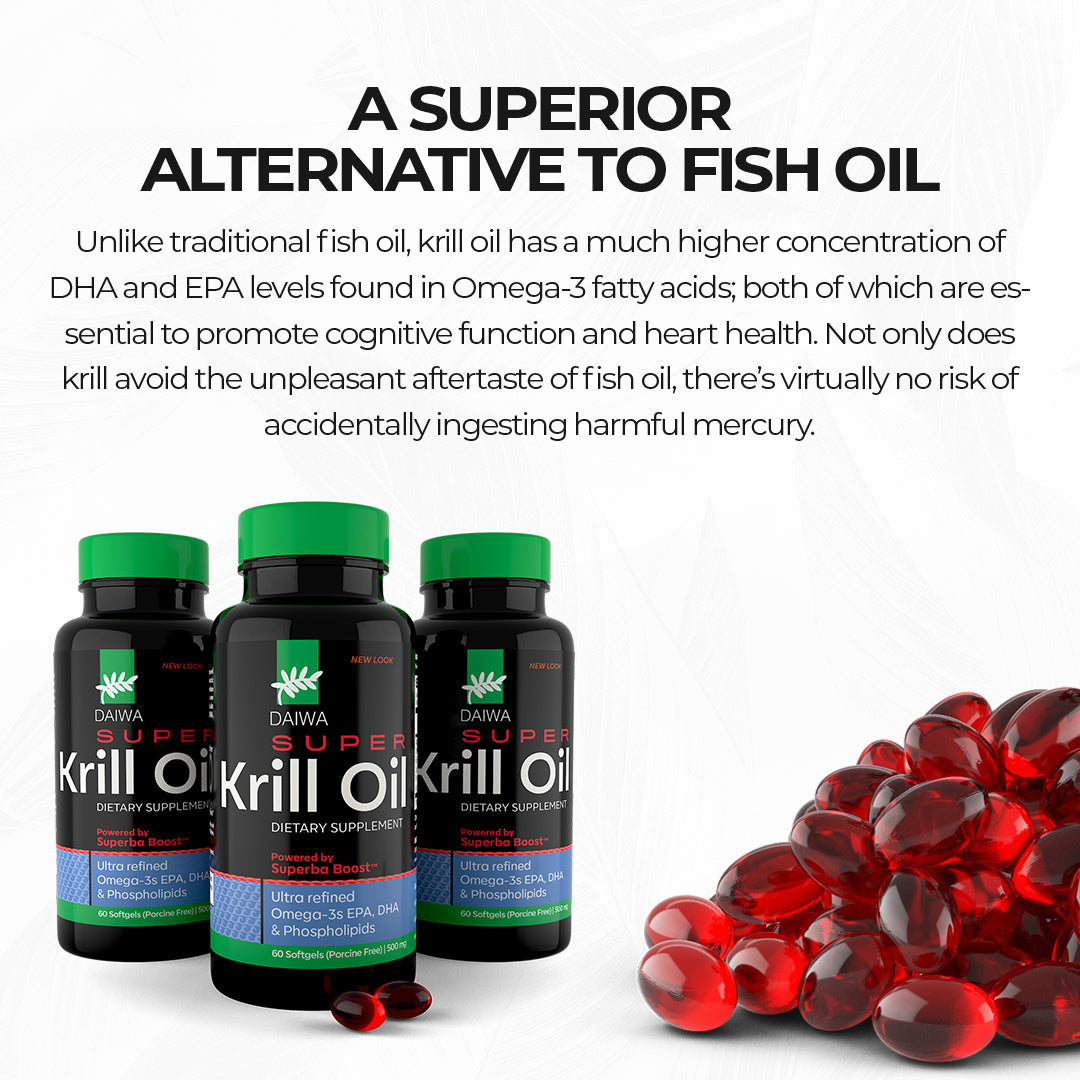
- Krill oil supplementation: Daiwa Krill Oil provides concentrated omega-3s with superior bioavailability
- Walnuts and flaxseeds: Plant-based omega-3 sources (though less bioavailable than marine sources)
Antioxidant-Rich Foods:
- Berries: Blueberries, strawberries, raspberries (rich in flavonoids)
- Dark leafy greens: Spinach, kale, collard greens (vitamins C, E, K)
- Dark chocolate: 70%+ cocoa content (flavanols for blood vessel health)
- Nuts: Almonds, walnuts (vitamin E and healthy fats)
Mediterranean-Style Foods:
- Olive oil: Primary fat source (monounsaturated fats and antioxidants)
- Whole grains: Oats, quinoa, brown rice (fiber and nutrients)
- Legumes: Beans, lentils, chickpeas (fiber, protein, minerals)
- Fruits and vegetables: Wide variety (5-7 servings daily)
Fermented Foods:
- Natto: Traditional Japanese fermented soybeans containing nattokinase
- Supplement option: Plasmanex1® provides standardized nattokinase
- Other fermented foods: Yogurt, kefir, sauerkraut (probiotics and beneficial compounds)
What foods should you reduce or avoid?
Processed Foods:
- Packaged snacks and convenience foods
- Foods high in added sugars
- Refined grains (white bread, white rice, pasta)
- Processed meats (high in sodium and preservatives)
Unhealthy Fats:
- Trans fats (partially hydrogenated oils)
- Excessive saturated fats
- Omega-6 rich processed oils (corn, soybean, sunflower oil in excess)
Excessive Sodium:
- High-sodium processed foods
- Restaurant meals (often high in sodium)
- Canned foods (unless low-sodium options)
How to implement dietary changes gradually
Week 1-2: Add, Don't Subtract
- Add one serving of fatty fish or begin krill oil supplementation
- Add 2-3 servings of fruits/vegetables daily
- Replace one processed snack with nuts or berries
Week 3-4: Make Substitutions
- Replace white bread with whole grain options
- Use olive oil instead of butter or margarine
- Choose water over sugary beverages
Week 5-6: Optimize Meals
- Plan meals around Mediterranean-style patterns
- Prepare more meals at home
- Focus on whole, unprocessed foods
Long-Term: Maintain and Refine
- Continue healthy patterns
- Experiment with new recipes
- Adjust based on preferences and results
Step 3: Establish an Exercise Routine
Why is exercise essential for heart and brain health?
Regular physical activity provides simultaneous benefits for both cardiovascular and cognitive systems through multiple mechanisms:
Cardiovascular Benefits:
- Strengthens heart muscle
- Improves blood vessel function
- Reduces blood pressure
- Improves cholesterol profiles
- Reduces inflammation
Cognitive Benefits:
- Increases cerebral blood flow
- Promotes neurogenesis (new brain cell growth)
- Increases BDNF (brain-derived neurotrophic factor)
- Reduces neuroinflammation
- Improves sleep quality
What types of exercise are best?
Aerobic Exercise (Cardiovascular Focus):
- Moderate intensity: Brisk walking, cycling, swimming (150 minutes/week)
- Vigorous intensity: Running, high-intensity interval training (75 minutes/week)
- Benefits: Improves heart function, increases blood flow to brain, reduces inflammation
Strength Training (Muscle and Bone Health):
- Frequency: 2-3 times per week
- Focus: Major muscle groups (legs, back, chest, arms)
- Benefits: Improves metabolism, supports cardiovascular health, may benefit cognitive function
Combination Approach:
- Mix of aerobic and strength training provides optimal benefits
- Variety prevents boredom and overuse injuries
- Different activities target different aspects of health
How to start an exercise routine safely
Beginner Protocol (Weeks 1-4):
- Week 1: 10-15 minutes of walking, 3 times per week
- Week 2: 15-20 minutes of walking, 4 times per week
- Week 3: 20-30 minutes of walking, 4-5 times per week
- Week 4: 30 minutes of moderate activity, 5 times per week
Progressive Protocol (Weeks 5-12):
- Gradually increase duration and intensity
- Add strength training 2 days per week
- Include variety (different activities)
- Monitor for signs of overtraining
Long-Term Maintenance:
- Aim for 150 minutes moderate + 2 days strength training weekly
- Adjust based on fitness level and goals
- Include activities you enjoy for sustainability
Exercise and supplementation synergy
Combining exercise with targeted supplementation can amplify benefits:
- Omega-3s: Krill oil may reduce exercise-induced inflammation and support recovery
- Timing: Some research suggests taking omega-3s with meals may enhance exercise benefits
- Recovery: Omega-3s may support muscle recovery and reduce soreness
Step 4: Optimize Sleep for Heart and Brain Health
How does sleep affect cardiovascular and cognitive health?
Sleep is essential for both systems, yet many adults don't get adequate quality sleep:
For more details, see Krill Oil vs Fish Oil for Heart and Brain Health. For more details, see Antioxidants in Cell Function. For more details, see
Cardiovascular Impact:
- Blood pressure: Deep sleep allows blood pressure to decrease, giving the cardiovascular system rest
- Heart rate: Quality sleep supports healthy heart rate variability
- Inflammation: Sleep deprivation increases inflammatory markers
- Metabolic health: Poor sleep disrupts glucose metabolism and insulin sensitivity
Cognitive Impact:
- Memory consolidation: Sleep transfers information from short-term to long-term memory
- Waste clearance: The glymphatic system removes toxic proteins (like beta-amyloid) during sleep
- Synaptic plasticity: Sleep supports the brain's ability to form new connections
- Cognitive restoration: Quality sleep restores attention, decision-making, and problem-solving abilities
What are optimal sleep habits?
Sleep Duration:
- Adults (18-64): 7-9 hours per night
- Older adults (65+): 7-8 hours per night
- Consistency matters: Regular sleep schedule is as important as duration
Sleep Quality Factors:
- Dark room: Eliminate light sources (use blackout curtains, eye mask)
- Cool temperature: 65-68°F (18-20°C) is optimal
- Quiet environment: Use white noise or earplugs if needed
- Comfortable mattress and pillows: Invest in quality sleep surface
Pre-Sleep Routine:
- Avoid screens: No phones, tablets, or TVs 1 hour before bed
- Relaxation techniques: Meditation, deep breathing, gentle stretching
- Consistent bedtime: Go to bed and wake up at the same time daily
- Avoid stimulants: No caffeine after 2 PM, limit alcohol before bed
How can supplements support sleep?
Omega-3 Fatty Acids:
- Krill oil may support sleep quality by reducing inflammation
- Some studies suggest omega-3s improve sleep duration and quality
- Take with evening meal for potential sleep benefits
Magnesium:
- Supports relaxation and sleep quality
- May help with sleep onset and duration
- Consult healthcare provider for appropriate dosage
Melatonin:
- Natural sleep hormone
- Can be helpful for sleep onset issues
- Start with low dose (0.5-1 mg) and adjust as needed
Step 5: Manage Stress for Heart and Brain Health
How does stress affect cardiovascular and cognitive health?
Chronic stress negatively impacts both systems through multiple pathways:
Cardiovascular Effects:
- Elevated blood pressure: Stress hormones increase blood pressure
- Increased heart rate: Chronic stress keeps heart rate elevated
- Inflammation: Stress increases inflammatory markers
- Unhealthy behaviors: Stress can lead to poor diet, lack of exercise, poor sleep
Cognitive Effects:
- Impaired memory: Chronic stress damages the hippocampus (memory center)
- Reduced focus: Stress hormones interfere with attention and concentration
- Cognitive decline: Long-term stress accelerates age-related cognitive decline
- Mental health: Stress contributes to anxiety and depression
What stress management techniques are most effective?
Meditation and Mindfulness:
- Benefits: Reduces stress hormones, lowers blood pressure, improves focus
- How to start: 10 minutes daily, use apps or guided sessions
- Types: Mindfulness meditation, loving-kindness, body scan
Deep Breathing Exercises:
- 4-7-8 technique: Inhale 4 counts, hold 7, exhale 8
- Box breathing: 4 counts in, 4 hold, 4 out, 4 hold
- Benefits: Activates parasympathetic nervous system, reduces stress response
Physical Activity:
- Yoga: Combines movement, breathing, and mindfulness
- Tai Chi: Gentle movement and meditation
- Walking: Simple, accessible stress relief
Social Connection:
- Maintain relationships: Social support buffers stress
- Join groups: Community activities, clubs, or support groups
- Quality over quantity: Meaningful connections matter more than number
Time Management:
- Prioritize tasks: Focus on what's truly important
- Set boundaries: Learn to say no to excessive commitments
- Schedule downtime: Protect time for relaxation and hobbies
How can supplements support stress management?
Omega-3 Fatty Acids:
- Krill oil may help modulate stress response
- Some research suggests omega-3s support mental health and resilience
- Anti-inflammatory effects may reduce stress-related inflammation
Adaptogens (Consult Healthcare Provider):
- Ashwagandha, rhodiola, and other adaptogens may support stress response
- Research is mixed, consult healthcare provider before use
- Not a substitute for lifestyle stress management
Step 6: Implement Targeted Supplementation
What supplements support both heart and brain health?
Core Supplement Stack:
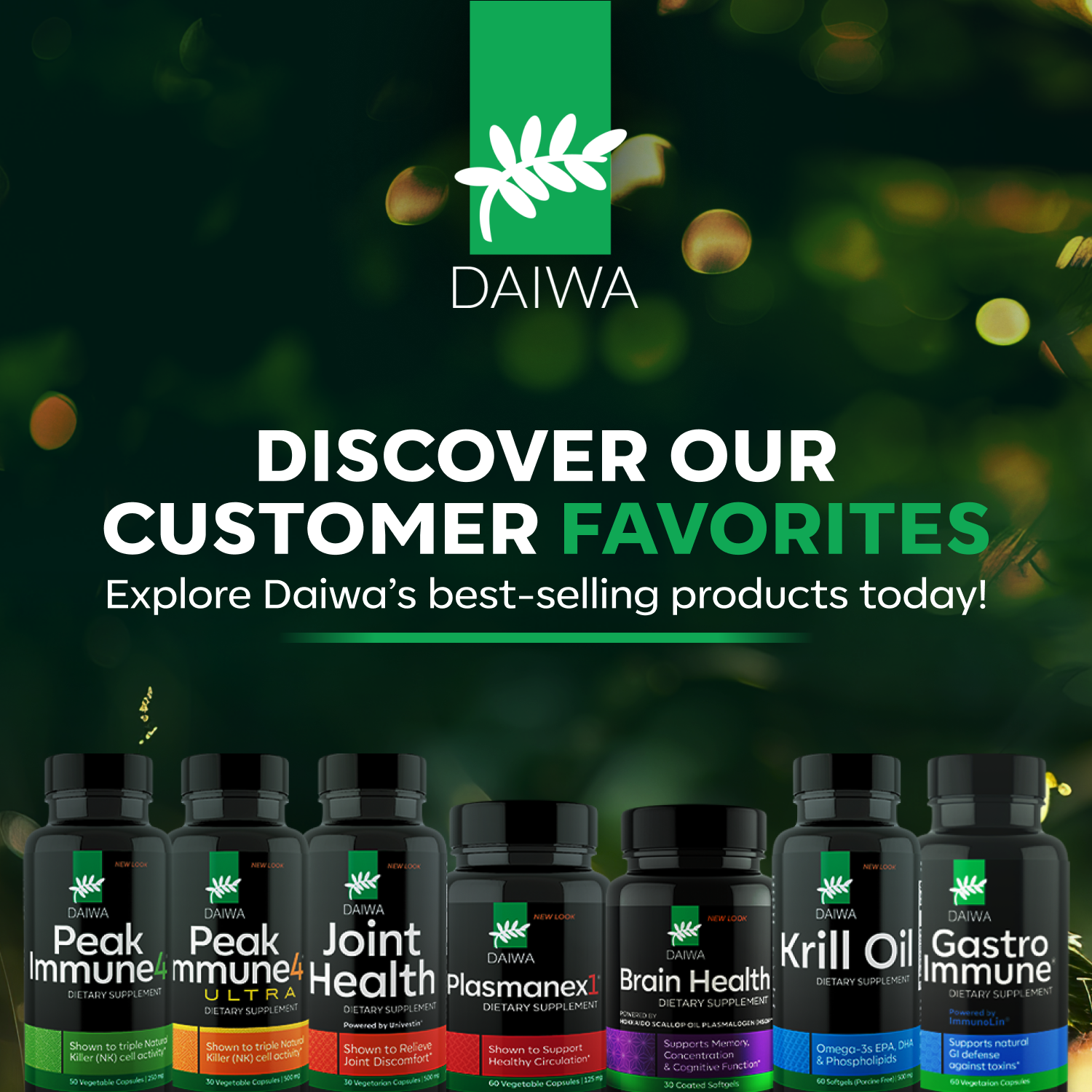
1. Krill Oil (Omega-3s): Daiwa Krill Oil
- Dosage: 1-2 grams daily (providing 200-600 mg EPA+DHA)
- Benefits: Supports cardiovascular health, cognitive function, reduces inflammation
- Why krill oil: Superior bioavailability, better brain delivery, natural antioxidants
- Timing: With meals for optimal absorption
2. Nattokinase (Cardiovascular Support): Plasmanex1®
- Dosage: 2,000-4,000 FU/day for general support
- Benefits: Improves blood flow, supports healthy blood pressure, may reduce plaque
- Timing: On empty stomach for optimal absorption (typically morning)
3. Brain Health Support: Daiwa Brain Health
- Dosage: As directed on product label
- Benefits: Provides plasmalogens and neuroprotective compounds
- Complements: Works synergistically with omega-3s for cognitive support
How to implement supplementation safely
Week 1: Start with One Supplement
- Begin with krill oil (1 gram daily)
- Monitor for any side effects or reactions
- Take consistently with meals
Week 2-3: Add Second Supplement (If Appropriate)
- After confirming krill oil tolerance, consider adding nattokinase
- Consult healthcare provider before adding, especially if on medications
- Monitor blood pressure if adding nattokinase
Week 4+: Optimize and Maintain
- Adjust dosages based on goals and healthcare provider guidance
- Maintain consistent supplementation schedule
- Track progress and adjust as needed
Important Safety Considerations:
- Consult healthcare provider: Especially if taking medications or have health conditions
- Blood-thinning medications: Omega-3s and nattokinase may have mild anticoagulant effects
- Surgery: Discontinue nattokinase 1-2 weeks before procedures
- Quality matters: Choose reputable manufacturers with third-party testing
Japanese Cardiovascular Science, Concentrated
Japan leads the world in cardiovascular longevity, and Plasmanex1® captures a key reason why. This patented formula isolates bacillopeptidase F from traditional natto, a specific enzyme fraction clinically shown to support healthy fibrin metabolism and blood flow.
Learn MoreStep 7: Monitor Progress and Adjust
What should you track?
Cardiovascular Markers:
- Blood pressure: Measure weekly at the same time of day
- Resting heart rate: Monitor daily or weekly
- Cholesterol panel: Every 3-6 months (via healthcare provider)
- Energy levels: Subjective daily tracking
Cognitive Function:
- Memory tests: Simple recall tasks weekly
- Attention and focus: Subjective daily assessment
- Processing speed: Cognitive assessment apps
- Overall cognitive function: Subjective weekly assessment
Lifestyle Factors:
- Diet adherence: Track healthy food intake
- Exercise consistency: Log workouts and activity
- Sleep quality: Track duration and quality
- Stress levels: Daily or weekly assessment
How often should you reassess?
Weekly:
- Blood pressure (if monitoring at home)
- Subjective assessments (energy, focus, mood)
- Lifestyle adherence (diet, exercise, sleep)
Monthly:
- Review progress toward goals
- Adjust interventions as needed
- Assess what's working and what needs modification
Every 3-6 Months:
- Complete health checkup
- Blood work (cholesterol, blood sugar, inflammatory markers)
- Formal cognitive assessment if available
- Major plan adjustments based on results
When to adjust your approach
Positive Changes:
- If seeing improvements, consider maintaining or gradually increasing interventions
- Don't become complacent, consistency is key for long-term benefits
No Changes After 8-12 Weeks:
- Consult healthcare provider to reassess approach
- Consider adjusting dosages or adding interventions
- Review adherence to lifestyle modifications
Side Effects or Concerns:
- Discontinue supplements and consult healthcare provider if experiencing adverse effects
- Adjust exercise intensity if experiencing pain or injury
- Modify diet if experiencing digestive issues
12-Week Implementation Timeline
Weeks 1-4: Foundation Building
Week 1: Assessment and Planning
- Complete health checkup and baseline measurements
- Set specific, measurable goals
- Plan dietary modifications
- Research and select supplements
Week 2: Dietary Modifications
- Begin krill oil supplementation (1 gram daily)
- Add 2-3 servings of fruits/vegetables daily
- Replace one processed food with whole food option
- Increase water intake
Week 3: Exercise Introduction
- Begin with 15-20 minutes of walking, 3-4 times per week
- Focus on consistency over intensity
- Track workouts and progress
Week 4: Sleep Optimization
- Establish consistent sleep schedule
- Create bedtime routine
- Optimize sleep environment
- Track sleep duration and quality
Weeks 5-8: Expansion and Optimization
Week 5: Dietary Expansion
- Increase to Mediterranean-style eating pattern
- Add fatty fish 2-3 times per week (or increase krill oil to 2 grams)
- Reduce processed foods further
- Plan meals in advance
Week 6: Exercise Progression
- Increase exercise duration to 30 minutes, 4-5 times per week
- Add variety (different activities)
- Consider adding strength training 1-2 times per week
Week 7: Stress Management
- Begin daily meditation or mindfulness practice (10 minutes)
- Practice deep breathing exercises
- Identify and address major stress sources
- Schedule regular relaxation time
Week 8: Supplement Optimization
- Consider adding nattokinase if appropriate (consult healthcare provider)
- Optimize supplement timing
- Review dosages with healthcare provider
Weeks 9-12: Integration and Maintenance
Week 9: Lifestyle Integration
- Combine all interventions into daily routine
- Focus on consistency across all areas
- Address any challenges or barriers
- Refine approach based on what's working
Week 10: Habit Solidification
- Continue all interventions consistently
- Identify and maintain most effective strategies
- Adjust less effective approaches
- Build sustainable long-term habits
Week 11: Progress Assessment
- Complete mid-point health assessment
- Review progress toward goals
- Adjust plan based on results
- Celebrate successes
Week 12: Long-Term Planning
- Assess overall progress
- Plan for long-term maintenance
- Identify areas for continued improvement
- Schedule follow-up with healthcare provider
Common Challenges and Solutions
Challenge: Lack of Time
Solutions:
- Start small: Even 10 minutes of exercise or 5 minutes of meditation is beneficial
- Combine activities: Walk during phone calls, meditate during commute
- Prioritize: Focus on highest-impact interventions first
- Plan ahead: Meal prep, schedule exercise, set reminders
Challenge: Motivation and Consistency
Solutions:
- Set specific goals: Clear, measurable objectives increase motivation
- Track progress: Seeing improvements maintains motivation
- Find accountability: Partner, group, or app for support
- Celebrate small wins: Acknowledge progress regularly
- Focus on benefits: Remind yourself why you're making changes
Challenge: Dietary Restrictions or Preferences
Solutions:
- Work within constraints: Adapt recommendations to your needs
- Focus on what you can eat: Emphasize adding healthy foods
- Consult nutritionist: Get personalized guidance
- Supplement strategically: Krill oil provides omega-3s regardless of dietary restrictions
Challenge: Cost Concerns
Solutions:
- Prioritize interventions: Focus on highest-impact, lowest-cost changes first (exercise, sleep, stress management)
- Budget-friendly supplements: Consider fish oil as alternative to krill oil (though less bioavailable)
- Buy in bulk: Larger supplement bottles often cost less per serving
- Focus on food first: Dietary changes often cost less than supplements
★★★★★ Trusted by thousands of customers
Interested in Science-Backed Cardiovascular Support?
Plasmanex1® uses a patented Japanese extraction process you won't find in standard nattokinase supplements. Published research demonstrates its role in supporting healthy blood flow and fibrin metabolism.
Shop Plasmanex1®Free shipping on orders over $50 · 30-day guarantee
Conclusion: Your Path to Better Heart and Brain Health
Improving cardiovascular health and cognitive function naturally is a journey, not a destination. The strategies outlined in this guide, dietary modifications, regular exercise, quality sleep, stress management, and targeted supplementation, work synergistically to protect both your heart and brain.
Key Principles for Success:
- Start where you are: Make one change at a time, build consistency
- Focus on sustainability: Choose interventions you can maintain long-term
- Be patient: Benefits accumulate over weeks and months, not days
- Track progress: Objective measurements help maintain motivation
- Adjust as needed: Modify your approach based on results and changing needs
Remember: The most important factor is consistency. Small, sustainable changes compound over time to provide significant benefits for both cardiovascular and cognitive health. Whether you start with krill oil supplementation, dietary modifications, or exercise, the key is to begin and maintain your efforts consistently.
At Daiwa Health Development, we're committed to supporting your journey toward optimal heart and brain health through evidence-based supplements and complete resources. Your health is your most valuable asset, invest in it wisely.
Related Resources
- Cardiovascular Health & Cognitive Function Guide - Complete hub page
- Krill Oil vs Fish Oil Comparison - Detailed comparison
- Best Supplements 2026 - Supplement recommendations
- Omega-3 Dosage Guide - Dosing protocols
- Daiwa Krill Oil - Premium omega-3 supplement
- Plasmanex1® - Nattokinase supplement
References & Scientific Sources
- American Heart Association: Lifestyle Interventions - Complete lifestyle guidance
- AHA Physical Activity Guidelines - Exercise recommendations
- National Sleep Foundation Guidelines - Sleep recommendations
- NIH Research on Omega-3s - Scientific evidence


Leave a comment
All comments are moderated before being published.
This site is protected by hCaptcha and the hCaptcha Privacy Policy and Terms of Service apply.