Last Updated: January 23, 2026
Author: Daiwa Health Development Research Team
Category: Risk Mitigation, Supplement Safety
Word Count: 3,600+ words
Hub Page: Cardiovascular Health & Cognitive Function Guide
Quick Answer: What are the most common mistakes people make with heart and brain health supplements?
The most common mistakes with cardiovascular and cognitive health supplements include: 1) Taking supplements without medical consultation—especially dangerous with blood-thinning medications or existing health conditions; 2) Expecting immediate results—benefits take weeks to months to develop; 3) Using poor-quality products—not all supplements are created equal, and low-quality products may be ineffective or unsafe; 4) Taking incorrect dosages—too little provides no benefit, too much may cause side effects; 5) Ignoring lifestyle factors—supplements work best when combined with healthy diet, exercise, and lifestyle modifications; 6) Not monitoring progress—without tracking, you can't know if supplements are working; 7) Mixing supplements unsafely—some combinations can be dangerous, especially with medications. Research from the FDA emphasizes the importance of consulting healthcare providers before starting supplements, especially for cardiovascular and cognitive health. Avoiding these mistakes requires education, medical supervision, quality product selection, and a comprehensive approach that includes lifestyle modifications alongside targeted supplementation.
Introduction: Learning from Common Mistakes
Mistakes with cardiovascular and cognitive health supplements can range from minor inconveniences to serious health risks. Understanding common pitfalls helps you avoid them and maximize the benefits of supplementation while minimizing risks.
This guide identifies the most common mistakes people make with heart and brain health supplements, explains why they're problematic, and provides practical solutions to avoid them. Learning from these mistakes can help you use supplements more effectively and safely.
Mistake #1: Not Consulting Healthcare Providers
Why This Is a Mistake
Serious Risks:
- Drug interactions: Supplements can interact with medications
- Underlying conditions: May worsen existing health problems
- Inappropriate use: May not be right for your specific situation
- Missed diagnoses: Supplements shouldn't mask symptoms of serious conditions
Common Scenarios
With Blood-Thinning Medications:
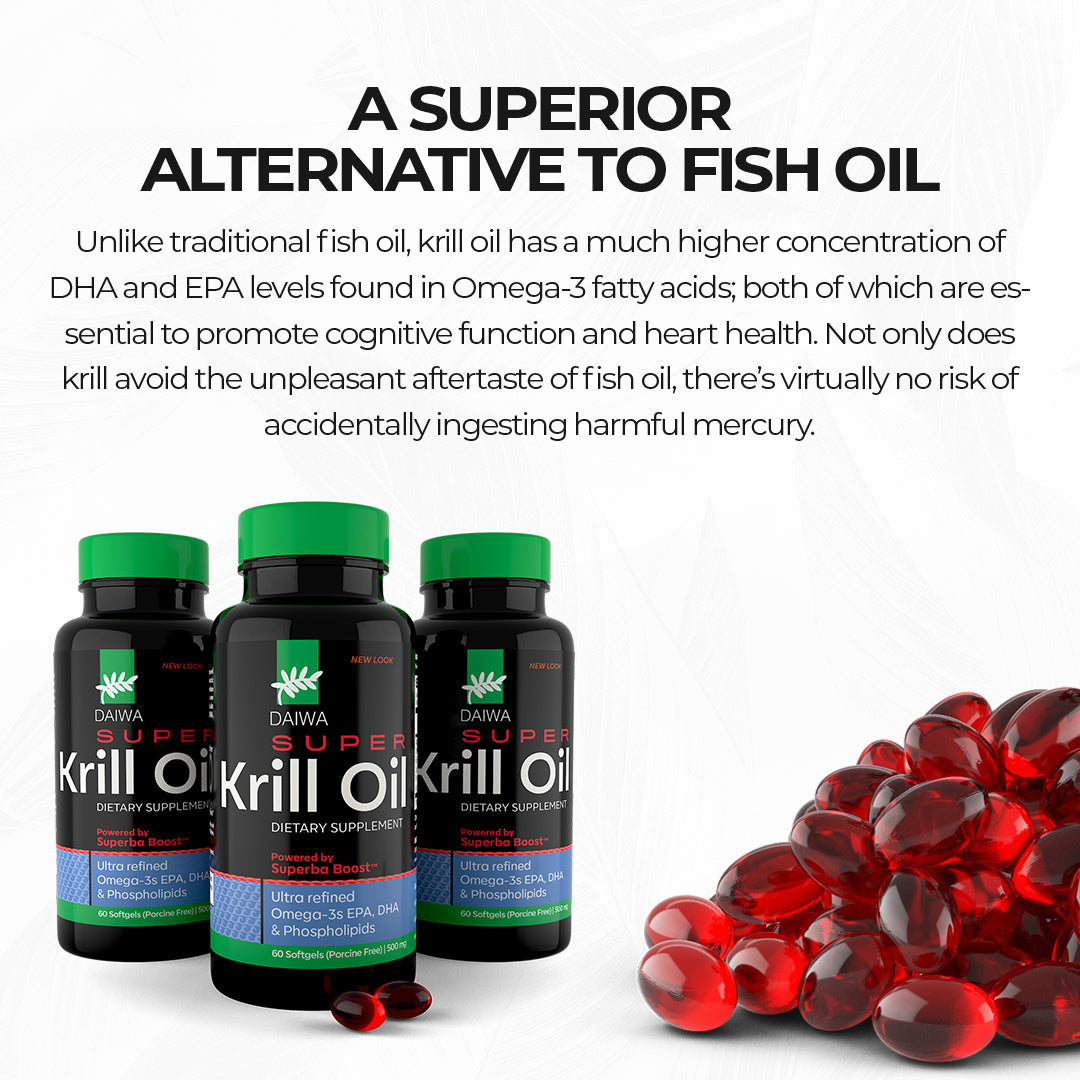
- Omega-3s (krill oil) and nattokinase (Plasmanex1) have mild anticoagulant effects
- Combining with warfarin, heparin, or DOACs can increase bleeding risk
- Medical supervision essential for safe use
With Blood Pressure Medications:
- Some supplements affect blood pressure
- May interact with blood pressure medications
- Dosage adjustments may be needed
With Existing Health Conditions:
- Diabetes, kidney disease, liver disease may affect supplement safety
- Some conditions require specific considerations
- Medical guidance ensures safe use
How to Avoid This Mistake
Before Starting Supplements:
- Schedule consultation with healthcare provider
- Discuss all medications and health conditions
- Get baseline measurements (blood pressure, cholesterol, etc.)
- Develop personalized supplement plan
During Supplementation:
- Regular checkups to monitor progress
- Report any side effects or concerns
- Adjust dosages based on healthcare provider guidance
- Keep healthcare provider informed of all supplements
Mistake #2: Expecting Immediate Results
Why This Is a Mistake
Unrealistic Expectations:
- Supplements work gradually, not instantly
- Benefits accumulate over weeks and months
- Immediate expectations lead to disappointment and abandonment
- May cause people to take excessive doses seeking faster results
Realistic Timelines
Cardiovascular Benefits:
- Blood pressure: 4-12 weeks to see improvements
- Cholesterol: 8-12 weeks for lipid panel changes
- Inflammation: 8-12 weeks for inflammatory marker changes
- Overall cardiovascular: 3-6 months for comprehensive benefits
Cognitive Benefits:
- Subjective improvements: 4-8 weeks (energy, focus, mood)
- Memory and processing: 8-12 weeks for measurable changes
- Long-term cognitive: 6-12 months for significant benefits
- Prevention: Years of consistent use for dementia prevention
How to Avoid This Mistake
Set Realistic Expectations:
- Understand that benefits take time
- Focus on consistency over speed
- Track progress objectively (not just feelings)
- Be patient and persistent
Track Progress:
- Measure blood pressure weekly
- Get cholesterol panel every 3-6 months
- Use cognitive assessment tools
- Keep a journal of subjective improvements
Celebrate Small Wins:
- Improved energy levels
- Better sleep quality
- Reduced "brain fog"
- Improved exercise capacity
Mistake #3: Using Poor-Quality Products
Why This Is a Mistake
Quality Varies Significantly:
- Not all supplements are created equal
- Low-quality products may be ineffective
- Contaminated products can be dangerous
- Inaccurate labeling misleads consumers
Common Quality Issues
Purity Problems:
- Contamination with heavy metals, pesticides, microbes
- Impurities from poor manufacturing
- Rancid oils (especially omega-3s)
- Inconsistent potency
Labeling Issues:
- Inaccurate ingredient amounts
- Missing ingredients
- False claims
- No expiration dates
Manufacturing Problems:
- Not GMP certified
- No third-party testing
- Poor quality control
- Inconsistent batches
How to Avoid This Mistake
Choose Reputable Manufacturers:
- Look for GMP-certified facilities
- Choose companies with good track records
- Research company reputation
- Check for third-party testing
Look for Quality Indicators:
- Third-party certifications (USP, NSF, ConsumerLab)
- Complete ingredient lists with amounts
- Expiration dates
- Lot numbers for traceability
Avoid Red Flags:
- Extremely low prices (may indicate poor quality)
- Missing information (no company details, no contact info)
- Unrealistic claims ("miracle," "cure")
- No third-party testing information
Our Commitment:
- Daiwa Health products are manufactured under GMP standards
- Third-party tested for purity and potency
- Transparent labeling and information
- Quality you can trust
Mistake #4: Taking Incorrect Dosages
Why This Is a Mistake
Too Little:
- May not provide desired benefits
- Wasted money on ineffective supplementation
- False sense of security
- Missed opportunities for health improvement
Too Much:
- Increased risk of side effects
- Potential toxicity (especially fat-soluble vitamins)
- Drug interactions more likely
- Wasted money on unnecessary high doses
Common Dosage Mistakes
Omega-3 Dosage Errors:
- Too low: Taking 250 mg when 1-2 grams needed for cardiovascular support
- Too high: Taking 4+ grams without medical supervision
- Inconsistent: Skipping days, irregular dosing
- Wrong form: Not accounting for bioavailability differences (krill oil vs. fish oil)
Nattokinase Dosage Errors:
- Too low: Taking 1,000 FU when 2,000-4,000 FU needed
- Too high: Taking 10,800 FU without medical supervision
- Wrong timing: Taking with food instead of empty stomach
- Inconsistent: Irregular dosing reduces effectiveness
How to Avoid This Mistake
Follow Recommendations:
- General health: 500 mg-1 gram EPA+DHA daily
- Cardiovascular support: 1-2 grams EPA+DHA daily
- Cognitive support: 1-2 grams EPA+DHA daily
- Krill oil: 1-2 grams daily (superior bioavailability)
Work with Healthcare Provider:
- Get personalized dosage recommendations
- Adjust based on health status and goals
- Monitor response and adjust as needed
- Consider baseline omega-3 levels if available
Account for Bioavailability:
- Krill oil may need lower doses than fish oil
- Consider absorption differences
- Monitor response, not just dosage amount
Mistake #5: Ignoring Lifestyle Factors
Why This Is a Mistake
Supplements Are Not Magic Bullets:
- Work best as part of comprehensive approach
- Limited benefits when used alone
- Lifestyle factors amplify supplement effects
- Multiple interventions working together provide best results
What People Often Neglect
Diet:
- Poor diet undermines supplement benefits
- Processed foods increase inflammation
- Unhealthy fats counteract omega-3 benefits
- Excessive sugar affects both heart and brain
Exercise:
- Sedentary lifestyle limits cardiovascular benefits
- Lack of exercise reduces cognitive benefits
- Exercise amplifies supplement effects
- Physical activity is essential for both systems
Sleep:
- Poor sleep undermines cognitive benefits
- Sleep deprivation increases cardiovascular risk
- Quality sleep essential for both systems
- Supplements can't compensate for poor sleep
Stress:
- Chronic stress increases inflammation
- Stress affects both cardiovascular and cognitive health
- Stress management amplifies supplement benefits
- Supplements alone can't overcome chronic stress
How to Avoid This Mistake
Comprehensive Approach:
- Combine supplements with healthy lifestyle
- Address diet, exercise, sleep, and stress
- Multiple interventions working together
- Supplements complement, don't replace, lifestyle
Prioritize Lifestyle:
- Start with dietary improvements
- Establish exercise routine
- Optimize sleep quality
- Manage stress effectively
Then Add Supplements:
- Supplements enhance lifestyle benefits
- Provide targeted nutritional support
- Fill gaps in diet
- Support both systems simultaneously
Mistake #6: Not Monitoring Progress
Why This Is a Mistake
Can't Know If Working:
- Without tracking, you don't know if supplements are effective
- May continue ineffective approach unnecessarily
- Miss opportunities to adjust and improve
- Waste time and money on ineffective strategies
Miss Warning Signs:
- May miss side effects or adverse reactions
- Could miss interactions with medications
- May not notice when adjustments are needed
- Important health changes may go unnoticed
What to Monitor
Cardiovascular Markers:
- Blood pressure (weekly at home, regular checkups)
- Cholesterol panel (every 3-6 months)
- Resting heart rate (daily or weekly)
- Energy levels and physical performance
Cognitive Markers:
- Memory tests (simple recall tasks weekly)
- Attention and focus (subjective daily assessment)
- Processing speed (cognitive assessment apps)
- Overall cognitive function (subjective weekly assessment)
Lifestyle Factors:
- Diet adherence (track healthy food intake)
- Exercise consistency (log workouts)
- Sleep quality (track duration and quality)
- Stress levels (daily or weekly assessment)
How to Avoid This Mistake
Establish Tracking System:
- Use apps, journals, or spreadsheets
- Set regular check-in times
- Make tracking easy and convenient
- Review progress regularly
Objective Measurements:
- Blood pressure monitor for home use
- Regular health checkups with healthcare provider
- Blood work (cholesterol, etc.) every 3-6 months
- Cognitive assessment tools
Subjective Assessments:
- Daily energy and mood tracking
- Weekly cognitive function assessment
- Monthly overall health review
- Adjust based on both objective and subjective measures
Mistake #7: Mixing Supplements Unsafely
Why This Is a Mistake
Dangerous Interactions:
- Some supplement combinations can be harmful
- Interactions with medications can be serious
- Excessive dosages when combining multiple supplements
- Unknown interactions between supplements
Common Unsafe Combinations
Blood-Thinning Combinations:
- Omega-3s + nattokinase + aspirin + prescription anticoagulants
- Can significantly increase bleeding risk
- Requires careful medical supervision
- May need dosage adjustments
Excessive Antioxidants:
- Very high doses of multiple antioxidants
- May have pro-oxidant effects at extreme doses
- Generally safe but moderation important
Duplicate Nutrients:
- Taking multiple supplements with same nutrients
- May exceed safe upper limits
- Waste of money
- Potential for toxicity
How to Avoid This Mistake
Consult Healthcare Provider:
- Review all supplements with healthcare provider
- Discuss potential interactions
- Get guidance on safe combinations
- Regular monitoring when combining supplements
Research Interactions:
- Check for known interactions
- Use reliable sources (FDA, NIH, medical databases)
- Be cautious with multiple blood-thinning supplements
- Start with one supplement at a time
Safe Combinations:
- Krill oil + nattokinase (under medical supervision)
- Omega-3s + CoQ10 + magnesium (generally safe)
- B-vitamins + omega-3s (complementary)
- Always consult healthcare provider for personalized guidance
Mistake #8: Stopping Medications for Supplements
Why This Is a Mistake
Serious Health Risks:
- Supplements are not replacements for medications
- Stopping medications can be dangerous
- May lead to serious health complications
- Only healthcare providers should make medication decisions
Common Scenarios
Blood Pressure Medications:
- "I'll just take nattokinase instead of my blood pressure medication"
- Dangerous: Medications are prescribed for specific reasons
- Supplements complement, don't replace: Work with healthcare provider
Cholesterol Medications:
- "Omega-3s will replace my statin"
- Dangerous: Statins have proven cardiovascular benefits
- Supplements can support: But shouldn't replace without medical approval
Cognitive Medications:
- "I'll use supplements instead of prescribed cognitive medications"
- Dangerous: Medical conditions require medical treatment
- Supplements support: But don't replace medical care
How to Avoid This Mistake
Never Stop Medications Without Medical Approval:
- Only healthcare providers should make medication decisions
- Supplements complement medications, don't replace them
- Work with healthcare provider to optimize both
- Regular monitoring when using supplements with medications
Communicate with Healthcare Provider:
- Discuss supplement use with healthcare provider
- Get approval before starting new supplements
- Report any concerns or side effects
- Work together to optimize health approach
Mistake #9: Not Reading Labels Carefully
Why This Is a Mistake
Missing Important Information:
- Dosage instructions
- Ingredients and amounts
- Warnings and contraindications
- Expiration dates
Safety Risks:
- Taking wrong dosage
- Missing important warnings
- Using expired products
- Not knowing what you're taking
What to Look For on Labels
Supplement Facts Panel:
- Serving size
- Amount per serving
- % Daily Value (for vitamins/minerals)
- Complete ingredient list
Warnings and Instructions:
- Dosage instructions
- Timing (with meals, empty stomach, etc.)
- Warnings (pregnancy, medications, etc.)
- Storage instructions
Quality Indicators:
- Expiration date
- Lot number
- Third-party certification seals
- Manufacturer information
How to Avoid This Mistake
Read Labels Thoroughly:
- Before purchasing: Check ingredients and amounts
- Before first use: Read all instructions and warnings
- Regularly: Review labels for any changes
- When in doubt: Contact manufacturer or healthcare provider
Understand What You're Taking:
- Know each ingredient and its purpose
- Understand dosage and timing
- Be aware of warnings and contraindications
- Keep labels for reference
Mistake #10: Giving Up Too Soon
Why This Is a Mistake
Benefits Take Time:
- Supplements work gradually
- Abandoning too soon misses benefits
- Consistency is key to success
- Long-term approach provides greatest benefits
Common Reasons People Give Up
No Immediate Results:
- Expecting instant benefits
- Not seeing changes in first few weeks
- Losing motivation
- Switching to different products too quickly
Side Effects:
- Experiencing mild side effects
- Not adjusting dosage or timing
- Discontinuing instead of troubleshooting
- Not consulting healthcare provider
Cost Concerns:
- Perceiving supplements as expensive
- Not seeing immediate value
- Stopping to save money
- Not considering long-term health investment
How to Avoid This Mistake
Set Realistic Expectations:
- Understand that benefits take time
- Focus on consistency over speed
- Track progress objectively
- Be patient and persistent
Troubleshoot Issues:
- If side effects occur, adjust dosage or timing
- Consult healthcare provider for guidance
- Don't give up at first sign of problems
- Work through challenges systematically
Focus on Long-Term Benefits:
- Supplements are long-term health investments
- Benefits accumulate over months and years
- Consistency provides greatest rewards
- Short-term costs vs. long-term health benefits
How to Avoid These Mistakes: A Practical Guide
Step 1: Educate Yourself
Learn About Supplements:
- Research specific supplements you're considering
- Understand how they work
- Know proper dosages and timing
- Learn about potential side effects and interactions
Use Reliable Sources:
- FDA resources
- NIH Office of Dietary Supplements
- Peer-reviewed research
- Healthcare provider guidance
Step 2: Consult Healthcare Provider
Before Starting:
- Schedule consultation
- Discuss goals and health status
- Review medications and conditions
- Get personalized recommendations
During Use:
- Regular checkups
- Report any concerns
- Adjust based on guidance
- Monitor progress together
Step 3: Choose Quality Products
Select Reputable Manufacturers:
- GMP-certified facilities
- Third-party tested products
- Transparent information
- Good track records
Verify Quality:
- Check for certifications (USP, NSF, ConsumerLab)
- Read labels carefully
- Research company reputation
- Start with trusted brands like Daiwa Health
Step 4: Implement Comprehensive Approach
Combine Supplements with Lifestyle:
- Healthy diet (Mediterranean-style)
- Regular exercise (150 minutes weekly)
- Quality sleep (7-9 hours nightly)
- Stress management
Multiple Interventions:
- Supplements provide targeted support
- Lifestyle modifications provide foundation
- Together, they provide comprehensive benefits
- Synergistic effects amplify results
Step 5: Monitor and Adjust
Track Progress:
- Objective measurements (blood pressure, cholesterol)
- Subjective assessments (energy, focus, mood)
- Regular health checkups
- Cognitive assessments
Adjust as Needed:
- Based on results and goals
- Under healthcare provider guidance
- Modify dosages or approaches
- Optimize for your specific needs
Conclusion: Learning from Mistakes
Avoiding common mistakes with cardiovascular and cognitive health supplements requires education, medical supervision, quality product selection, and a comprehensive approach. By learning from these common pitfalls, you can use supplements more effectively and safely.
Key Takeaways:
- Consult healthcare providers: Essential for safety, especially with medications
- Set realistic expectations: Benefits take weeks to months
- Choose quality products: Third-party tested, GMP-certified
- Use correct dosages: Based on goals and healthcare provider guidance
- Combine with lifestyle: Supplements work best as part of comprehensive approach
- Monitor progress: Track both objective and subjective measures
- Be patient and persistent: Long-term consistency provides greatest benefits
Our Commitment:
At Daiwa Health Development, we're committed to providing high-quality, evidence-based supplements and comprehensive resources to help you avoid these common mistakes. Our products, including Daiwa Krill Oil and Plasmanex1, are manufactured under GMP standards and third-party tested for quality and purity.
Remember: Supplements are tools to support health, not magic bullets. Use them wisely, safely, and as part of a comprehensive approach to cardiovascular and cognitive health.
Related Resources
- Cardiovascular Health & Cognitive Function Guide - Comprehensive hub page
- FDA Regulations Guide - Regulatory information
- How-To Guide - Safe implementation
- Daiwa Krill Oil - Quality omega-3 supplement
- Plasmanex1 - Standardized nattokinase
References & Scientific Sources


Leave a comment
All comments are moderated before being published.
This site is protected by hCaptcha and the hCaptcha Privacy Policy and Terms of Service apply.