

Last Updated: January 23, 2026
Author: Daiwa Health Development Research Team
Category: Financial Planning, Budget Strategies
Word Count: 3,300+ words
Hub Page: Cardiovascular Health & Cognitive Function Guide
Quick Answer: How can I support heart and brain health cost-effectively?
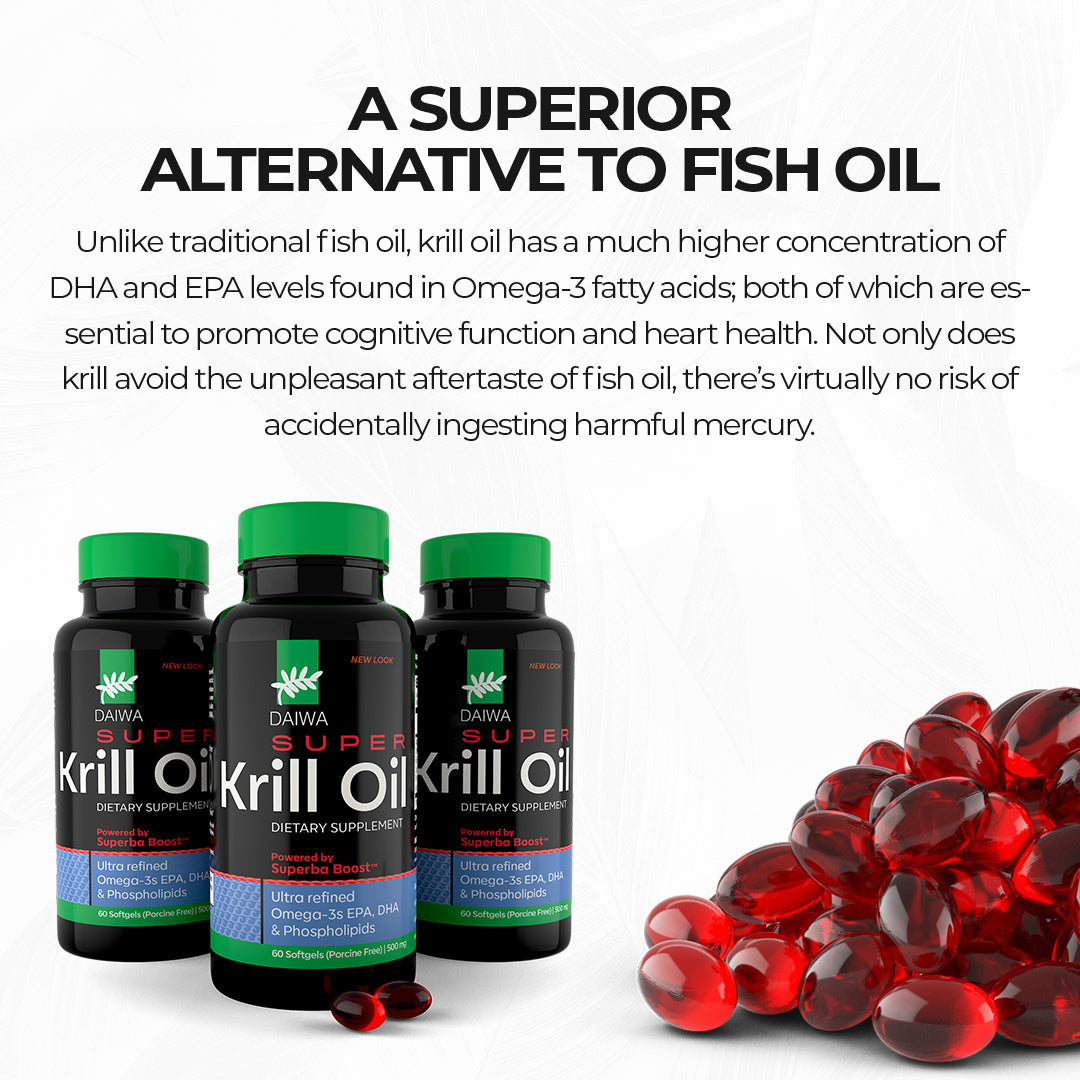
Supporting cardiovascular and cognitive health cost-effectively requires prioritizing high-impact, evidence-based interventions that provide the best value. Start with lifestyle modifications (free or low-cost): adopt a Mediterranean-style diet emphasizing whole foods, engage in 150 minutes of moderate exercise weekly, prioritize 7-9 hours of quality sleep nightly, and practice stress management techniques. For supplements, prioritize krill oil (1-2 grams daily) as your foundation, while it costs more than fish oil, its 40-60% superior bioavailability may make it more cost-effective per absorbed omega-3. Consider nattokinase (2,000-4,000 FU/day) for additional cardiovascular support if budget allows. Research from the American Heart Association shows that complete lifestyle interventions provide significant benefits at low cost. A budget-friendly approach ($30-50/month) includes krill oil or high-quality fish oil plus magnesium, while a balanced approach ($50-100/month) adds nattokinase and B-vitamins. Focus on consistency over quantity, regular, moderate supplementation combined with lifestyle modifications provides better value than expensive, inconsistent approaches.
Introduction: Maximizing Health Benefits on Any Budget
Supporting cardiovascular and cognitive health doesn't have to break the bank. With strategic planning and prioritization, you can create an effective, cost-conscious approach that maximizes benefits while respecting budget constraints.
This guide provides budget-friendly strategies for supporting both heart and brain health, from essential interventions to complete approaches, helping you make informed decisions that balance cost and effectiveness.
Budget Tiers: Finding Your Fit
Essential Tier ($30-50/month)
For: Individuals with limited budgets who want foundational support
Supplements:
-
Krill oil or high-quality fish oil: 1 gram daily
- Daiwa Krill Oil: Premium option with superior bioavailability
- High-quality fish oil: Budget-friendly alternative
- Magnesium: 300-400 mg daily (low cost, essential mineral)
Lifestyle Focus:
- Mediterranean-style diet (can be cost-effective with planning)
- Regular exercise (free: walking, bodyweight exercises)
- Quality sleep (free, but may require lifestyle adjustments)
- Stress management (free: meditation, deep breathing)
Expected Benefits:
- Basic omega-3 support for heart and brain
- Essential mineral support
- Foundation for health improvement
- Can be expanded as budget allows
Cost Breakdown:
- Krill oil: $25-35/month (or fish oil: $10-20/month)
- Magnesium: $5-10/month
- Total: $30-50/month
Balanced Tier ($50-100/month)
For: Individuals who can invest moderately in complete support
Supplements:
- Daiwa Krill Oil: 1-2 grams daily
- Plasmanex1: 2,000-4,000 FU/day (if appropriate)
- Magnesium: 300-400 mg daily
- B-complex: As directed
- Vitamin D: 1,000-2,000 IU daily (if deficient)
Lifestyle Focus:
- Enhanced Mediterranean diet
- Structured exercise program
- Optimized sleep environment
- Complete stress management
Expected Benefits:
- Complete omega-3 support
- Targeted cardiovascular support
- Essential nutrients covered
- Synergistic benefits from combination
Cost Breakdown:
- Krill oil: $30-40/month
- Nattokinase: $20-30/month
- Magnesium: $5-10/month
- B-complex: $5-10/month
- Vitamin D: $3-5/month
- Total: $63-95/month
Complete Tier ($100-200/month)
For: Individuals prioritizing optimal health with flexible budgets
Supplements:
- Daiwa Krill Oil: 2 grams daily
- Plasmanex1: 4,000 FU/day
- Brain Health Supplement: As directed
- CoQ10: 200-300 mg daily
- Magnesium: 400 mg daily
- B-complex: Higher potency
- Vitamin D: 2,000-4,000 IU daily
- Additional targeted supplements: As needed
Lifestyle Focus:
- Premium dietary approach
- Complete exercise program
- Optimized sleep and recovery
- Advanced stress management
Expected Benefits:
- Maximum supplement support
- Complete nutrient coverage
- Targeted interventions for specific goals
- Optimal health outcomes
Cost Breakdown:
- Krill oil: $40-50/month
- Nattokinase: $30-40/month
- Brain health: $25-35/month
- CoQ10: $15-25/month
- Other supplements: $20-50/month
- Total: $130-200/month
Japanese Cardiovascular Science, Concentrated
Japan leads the world in cardiovascular longevity, and Plasmanex1® captures a key reason why. This patented formula isolates bacillopeptidase F from traditional natto, a specific enzyme fraction clinically shown to support healthy fibrin metabolism and blood flow.
Learn MoreCost-Saving Strategies
Strategy 1: Prioritize High-Impact Supplements
Focus on Evidence-Based Choices:
- Omega-3s are foundational: Most well-researched for both systems
- Krill oil value: Superior bioavailability may justify premium
- Avoid unproven supplements: Save money on products without strong evidence
Tiered Approach:
- Start with essentials: Omega-3s provide most benefit
- Add strategically: Add supplements based on specific needs
- Evaluate regularly: Assess which supplements provide most value
Strategy 2: Buy in Bulk
Cost Savings:
- Larger bottles often cost less per serving
- Multi-month supplies reduce per-month cost
- Subscription options may provide discounts
- Family-size options if multiple users
Considerations:
For more details, see Cardiovascular and Cognitive Health Success. For more details, see daiwa health development best sellers. For more details, see The Complete Guide to Cardiovascular Health and Cognitive Function. For more details, see
- Ensure proper storage (especially for omega-3s)
- Check expiration dates
- Verify you'll use before expiration
- Calculate actual cost per serving
Strategy 3: Choose Quality Over Quantity
Value Over Price:
- High-quality products may cost more but provide better value
- Superior bioavailability (like krill oil) may require less product
- Third-party tested products ensure you get what you pay for
- Avoid cheap products that may be ineffective
Cost Per Benefit:
- Calculate cost per absorbed nutrient
- Consider bioavailability differences
- Factor in effectiveness, not just price
- Long-term health investment perspective
Strategy 4: Optimize Lifestyle First
Free and Low-Cost Interventions:
- Exercise: Walking, bodyweight exercises (free)
- Sleep: Lifestyle adjustments (free)
- Stress management: Meditation, deep breathing (free)
- Diet: Mediterranean-style can be cost-effective with planning
Amplify Supplement Effects:
- Healthy lifestyle makes supplements more effective
- May need lower supplement doses with better lifestyle
- Synergistic effects provide better value
- Foundation for long-term health
Strategy 5: Use HSA/FSA Funds
Health Savings Accounts:
- Supplements may be eligible with letter of medical necessity
- Check with your HSA/FSA administrator
- May provide tax advantages
- Reduces out-of-pocket costs
Flexible Spending Accounts:
- Similar to HSA for supplement eligibility
- Use pre-tax dollars
- Check plan specifics
- May require healthcare provider documentation
Value Analysis: Getting the Most for Your Money
Cost Per Benefit Analysis
Omega-3 Sources:
| Source | Monthly Cost | EPA+DHA per Serving | Cost per 100mg EPA+DHA | Bioavailability | Value Score |
|---|---|---|---|---|---|
| Krill Oil | $30-40 | 200-300 mg | $0.10-0.20 | 40-60% better | 5/5 |
| Fish Oil | $10-20 | 600-800 mg | $0.02-0.03 | Standard | 4/5 |
| Fatty Fish | $20-40 | 1,000-2,000 mg | $0.01-0.02 | High | 4/5 |
Analysis:
- Fish oil: Lowest cost per milligram, but lower bioavailability
- Krill oil: Higher cost but superior bioavailability may provide better value
- Fatty fish: Excellent value if consumed regularly
- Best value: Combination of fish 2-3x/week + krill oil for consistency
Long-Term Cost Considerations
Prevention vs. Treatment:
- Supplements and lifestyle: $30-100/month
- Medical treatment costs: Significantly higher
- Prevention investment: May reduce future healthcare costs
- ROI perspective: Long-term health investment
Quality of Life:
- Improved health: Better quality of life
- Reduced healthcare costs: Fewer doctor visits, medications
- Productivity: Better cognitive function, more energy
- Longevity: Potential for longer, healthier life
Budget-Friendly Meal Planning
How to Eat Heart and Brain Healthy on a Budget
Mediterranean-Style on a Budget:
- Legumes: Beans, lentils, chickpeas (inexpensive, high in fiber and protein)
- Whole grains: Oats, brown rice, quinoa (bulk buying saves money)
- Frozen vegetables: Often cheaper than fresh, still nutritious
- Canned fish: Sardines, salmon (cost-effective omega-3 source)
- Seasonal produce: Buy fruits and vegetables in season
- Bulk buying: Purchase staples in bulk for savings
Omega-3 Rich Foods:
- Canned sardines: $2-4 per can, high in omega-3s
- Canned salmon: $3-5 per can, good omega-3 source
- Frozen fish: Often cheaper than fresh
- Walnuts: Buy in bulk, good plant-based omega-3 source
- Flaxseeds: Inexpensive, add to smoothies or oatmeal
Meal Planning Tips:
- Plan meals weekly: Reduces waste and impulse purchases
- Cook at home: More cost-effective than eating out
- Batch cooking: Prepare meals in advance
- Use leftovers: Reduce food waste and save money
Exercise on a Budget
Free and Low-Cost Exercise Options
Cardiovascular Exercise (Free):
- Walking: No equipment needed, accessible anywhere
- Running/jogging: Minimal equipment (good shoes)
- Bodyweight exercises: Push-ups, squats, planks (no equipment)
- Stair climbing: Use stairs at home or work
- Dancing: Fun, free cardiovascular exercise
Strength Training (Free/Low-Cost):
- Bodyweight exercises: Push-ups, squats, lunges, planks
- Resistance bands: Inexpensive, versatile equipment
- Home workout videos: Free online resources
- Community centers: Often have low-cost fitness options
Combining Exercise with Daily Life:
- Active commuting: Walk or bike when possible
- Take stairs: Instead of elevators
- Park farther away: Extra walking steps
- Household chores: Can be moderate-intensity exercise
Supplement Cost Comparison
Monthly Costs by Approach
Essential Approach ($30-50/month):
- Krill oil (1 gram): $25-35/month
- OR Fish oil (1 gram EPA+DHA): $10-20/month
- Magnesium: $5-10/month
- Total: $30-50/month
Balanced Approach ($50-100/month):
- Krill oil (1-2 grams): $30-40/month
- Nattokinase: $20-30/month
- Magnesium: $5-10/month
- B-complex: $5-10/month
- Vitamin D: $3-5/month
- Total: $63-95/month
Complete Approach ($100-200/month):
- Krill oil (2 grams): $40-50/month
- Nattokinase: $30-40/month
- Brain health: $25-35/month
- CoQ10: $15-25/month
- Other supplements: $20-50/month
- Total: $130-200/month
Cost Per Day Analysis
Essential Approach:
- $1-1.67 per day
- Less than a cup of coffee
- Significant health benefits
- Accessible for most budgets
Balanced Approach:
- $2-3.33 per day
- Less than a meal out
- Complete support
- Good value for benefits
Complete Approach:
- $4-6.67 per day
- Investment in optimal health
- Maximum support
- Long-term health perspective
Maximizing Value: Tips and Strategies
Tip 1: Start with Lifestyle, Add Supplements Strategically
Foundation First:
- Implement dietary changes (can be cost-effective)
- Establish exercise routine (free)
- Optimize sleep (free lifestyle adjustments)
- Manage stress (free techniques)
Then Add Supplements:
- Start with krill oil (foundational)
- Add nattokinase if budget allows
- Build supplement stack gradually
- Evaluate and adjust based on results
Tip 2: Focus on High-Impact, Evidence-Based Choices
Prioritize Research-Backed Supplements:
- Omega-3s: Most well-researched for both systems
- Nattokinase: Unique cardiovascular benefits
- Essential minerals: Magnesium, etc.
- Avoid unproven, expensive supplements
Value Over Hype:
- Research evidence over marketing claims
- Quality over quantity
- Effectiveness over popularity
- Long-term benefits over quick fixes
Tip 3: Consider Long-Term Health Investment
Prevention Perspective:
- $30-100/month for supplements
- Potential to reduce future healthcare costs
- Improved quality of life
- Better productivity and energy
ROI Calculation:
- Compare supplement costs to potential medical costs
- Factor in quality of life improvements
- Consider productivity gains
- Long-term health investment
Tip 4: Optimize Based on Your Specific Needs
Personalized Approach:
- Focus on your specific health concerns
- Don't take supplements you don't need
- Adjust based on health status and goals
- Work with healthcare provider for guidance
Regular Evaluation:
- Assess which supplements provide most value
- Adjust based on results and budget
- Eliminate ineffective supplements
- Optimize for your specific situation
Insurance and HSA/FSA Considerations
Can Supplements Be Covered?
Health Savings Accounts (HSA):
- May cover supplements with letter of medical necessity
- Check with your HSA administrator
- Requires healthcare provider documentation
- May provide tax advantages
Flexible Spending Accounts (FSA):
- Similar eligibility requirements
- Pre-tax dollars
- Check plan specifics
- May require medical necessity documentation
Insurance Coverage:
- Generally not covered by insurance
- Some plans may cover specific medical conditions
- Check with your insurance provider
- Prescription omega-3s may be covered in some cases
How to Maximize HSA/FSA Benefits
Documentation:
- Get letter of medical necessity from healthcare provider
- Keep receipts for all supplement purchases
- Document health conditions and goals
- Maintain records for tax purposes
Planning:
- Budget HSA/FSA funds for supplements
- Use pre-tax dollars when possible
- Maximize annual contribution limits
- Plan for ongoing supplement costs
★★★★★ Trusted by thousands of customers
Interested in Science-Backed Cardiovascular Support?
Plasmanex1® uses a patented Japanese extraction process you won't find in standard nattokinase supplements. Published research demonstrates its role in supporting healthy blood flow and fibrin metabolism.
Shop Plasmanex1®Free shipping on orders over $50 · 30-day guarantee
Conclusion: Smart Spending for Heart and Brain Health
Supporting cardiovascular and cognitive health cost-effectively requires strategic planning, prioritization, and a focus on high-impact interventions. By combining evidence-based supplements with cost-effective lifestyle modifications, you can create an effective approach that fits your budget.
Key Takeaways:
- Lifestyle foundation: Free/low-cost interventions provide significant benefits
- Prioritize essentials: Omega-3s are foundational for both systems
- Quality matters: High-quality products may provide better value despite higher cost
- Long-term perspective: Health investment pays dividends over time
- Individualization: Focus on your specific needs and budget
Our Recommendation:
Start with Daiwa Krill Oil (1-2 grams daily) as your foundation supplement. While it costs more than fish oil, its superior bioavailability and better brain delivery may provide better value per absorbed omega-3. Combine with cost-effective lifestyle modifications (diet, exercise, sleep, stress management) for complete support. Add Plasmanex1 if budget allows for additional cardiovascular support.
Remember: The best approach is the one you can maintain consistently. Choose a plan that fits your budget and lifestyle, and focus on long-term consistency rather than short-term intensity.
Related Resources
- Cardiovascular Health & Cognitive Function Guide - Complete hub page
- Best Supplements 2026 - Evidence-based rankings
- How-To Guide - Implementation strategies
- Daiwa Krill Oil - Premium omega-3 supplement
- Plasmanex1 - Nattokinase supplement





Leave a comment
All comments are moderated before being published.
This site is protected by hCaptcha and the hCaptcha Privacy Policy and Terms of Service apply.